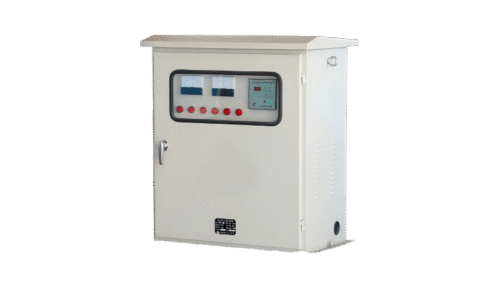
Walk into any factory that has a lot of variable frequency drives or UPS systems, and chances are someone has mentioned the APFC – or what some call an active power filter cabinet. It looks like a regular electrical panel, but inside it’s doing something completely different. Does it actually help? From what’s been seen across different sites, the benefits are real, but only under certain conditions.
First thing – an active power filter cabinet (sometimes labelled as APFC in brochures, though technically that name belongs to power factor controllers) doesn’t just add capacitors. It injects an opposite current to cancel out harmonics. Harmonics are those distorted waveforms that make equipment run hot and trip breakers for no reason.
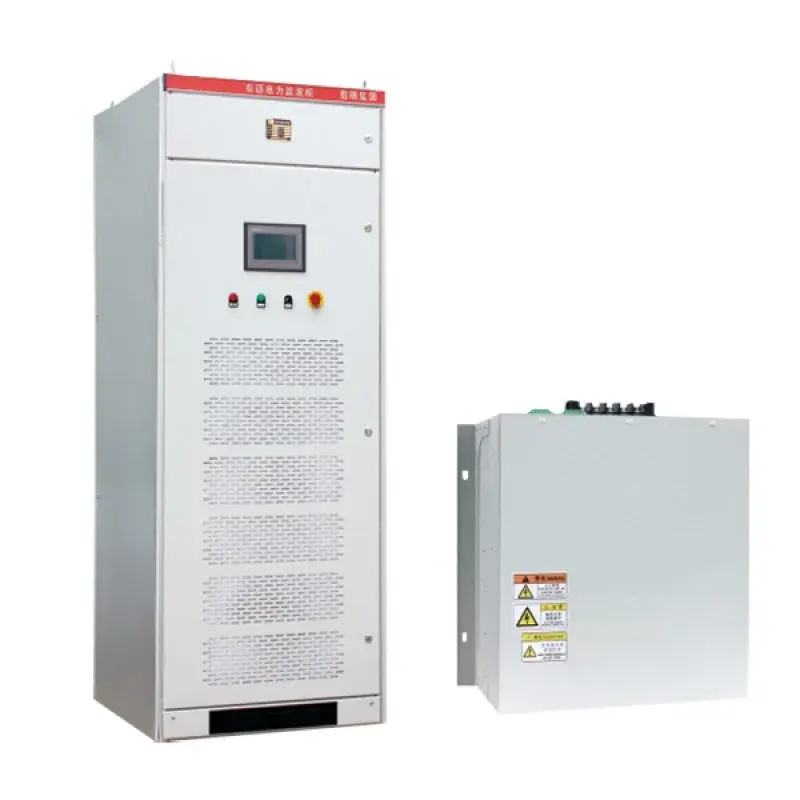
Table of Contents
How an APFC Cabinet Works – A Quick Look Before the Benefits
Inside the cabinet, there’s a controller, an IGBT power module, and a bunch of sensors. It samples the load current many times per second, extracts the harmonic components, and generates an equal but opposite current to cancel them. That’s the theory. In practice, it’s more like a noise-cancelling headphone for your electrical system.
One thing that’s often noticed: the response is extremely fast. Within milliseconds, the APFC adapts to changing loads. That’s something a passive filter can never do. A passive filter is like a fixed fishing net – catches certain fish (harmonics) but misses others. An active filter changes its net shape constantly.
The Main Benefits of Using an APFC Cabinet
So what do users actually gain? Not just cleaner power on a scope screen. There are tangible, dollar-related benefits.
First – stopping nuisance tripping. Harmonics cause breakers to heat up and trip randomly. Production stops. People run around trying to figure out why. After installing an APFC, those unexplained trips often disappear completely. Seen that happen in a plastic extrusion plant – they had two trips per week before, none after.
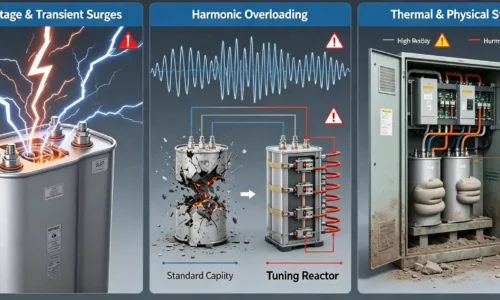
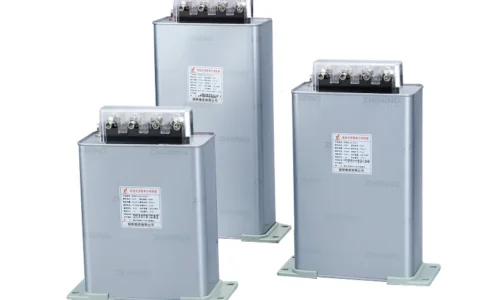
Second – protecting capacitors and other equipment. Old-school power factor correction capacitors don’t like harmonics. They overheat, swell up, and fail within months. An APFC cabinet with active filtering takes the harmonic load off those capacitors. The capacitors last years longer. That’s money saved on replacement and downtime.
Third – avoiding utility penalties. Many power companies now monitor harmonic distortion (THD). Exceed the limit – say 5% at the point of common coupling – and a penalty appears on the bill. The APFC keeps THD well below those thresholds. One facility had monthly harmonic fines around $800. After installing an active filter cabinet, those fines dropped to zero.
Fourth – freeing up transformer capacity. Harmonic currents take up space in the transformer’s rating. Remove them, and the same transformer can handle more real load. Sometimes a factory avoids buying a new transformer just by adding an APFC. That’s a huge saving.
Less Obvious Benefits
Here are a few things that aren’t in the marketing brochures but get mentioned by maintenance staff:
Reduced neutral current in three-phase systems (especially from single-phase loads like computers and LED lights)
Lower humming noise from transformers – harmonics literally shake the core, and less harmonic means less noise
Better communication for power line carrier systems (if used)
Less heating in cables, which means lower I²R losses – maybe only 1-2%, but it adds up over a year
And one more thing – sometimes that same panel cabinet also provides dynamic reactive power compensation, so a separate SVG isn’t needed. That simplifies the overall setup.
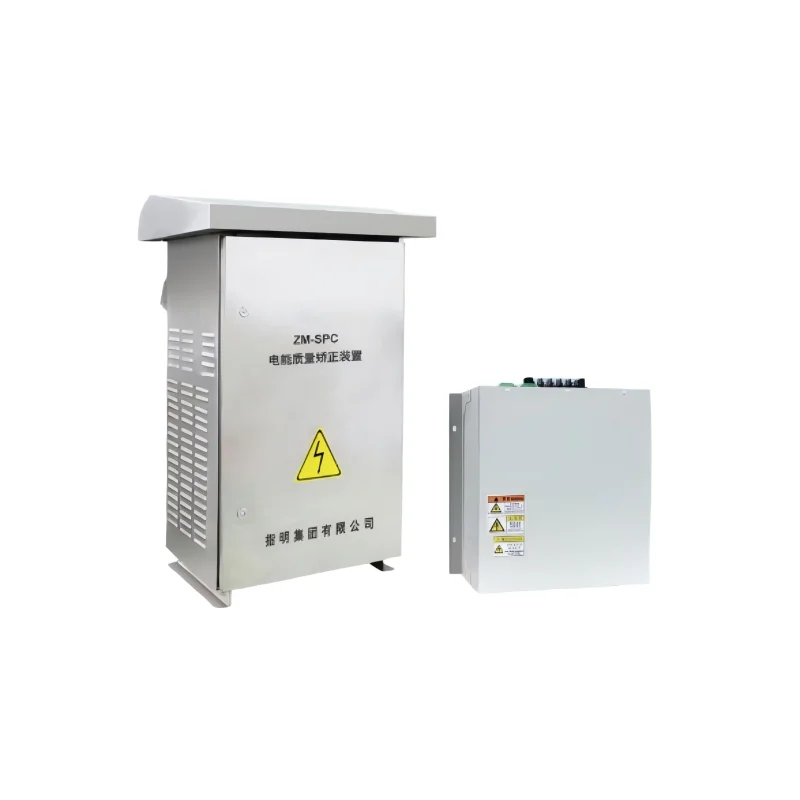
Where an APFC Cabinet Makes the Most Sense
Based on site visits and feedback, here’s where the benefits are biggest:
Factories with many VFDs (variable frequency drives) – like textile, rubber, or paper mills
Data centers – sensitive servers and non-linear power supplies everywhere
Hospitals – MRI and CT machines hate distorted power
Commercial buildings with LED lighting and elevators – harmonics accumulate from many small sources
Any site with frequent capacitor failures – that’s usually a sign of harmonic problems
But it’s not for everyone. A small workshop with a few motors and no sensitive electronics? A passive filter or just a detuned capacitor bank might be enough. The APFC cabinet costs more upfront. The payback period varies – from 12 months to 3 years, depending on penalty severity and downtime costs.
FAQ
Does an APFC cabinet also correct power factor?
Yes, most modern active filter cabinets include reactive power compensation as a built-in feature. They can target a specific power factor – say 0.95 – and maintain it automatically. But if the only problem is low power factor (no harmonics), a standard capacitor bank or an SVG is cheaper. The APFC cabinet is overkill for pure power factor correction.
What happens if the APFC cabinet fails?
Because it’s connected in parallel, the load keeps running normally. Only the filtering stops. Harmonics come back, but production continues. That’s a deliberate design choice – no single point of failure. Of course, the cabinet should be repaired quickly, but there’s no immediate shutdown. Seen this happen twice; both times the plant ran for days without the filter until a technician arrived.
Can an APFC cabinet handle very fast-changing loads like welding machines?
It depends on the model. Standard APFC cabinets have a response time of about 300–400 microseconds. That’s fast enough for most welding and crane applications. For extremely fast loads (like some plasma cutters), a silicon carbide (SiC) based active filter might be needed. That’s a higher-end option. But for 95% of industrial loads, a regular active filter cabinet works fine.