Table of Contents
Testing a High Voltage Power Capacitor Safely
Working with capacitors at high voltage levels requires serious caution. These components store electrical energy—sometimes enough to cause severe injury or death—even after equipment has been disconnected from power sources.
Testing a high voltage power capacitor with a multimeter provides useful diagnostic information. But the testing procedure matters less than the safety steps that precede it. Rushing into measurements without proper preparation invites disaster.
This guide covers the essential steps. However, it’s worth noting that some high voltage power capacitor testing really belongs in the hands of qualified professionals with specialized equipment. A standard multimeter has limitations.
Critical Safety Steps Before Testing Any High Voltage Power Capacitor
Isolation and Lockout
Before touching anything:
- De-energize the equipment completely
- Open all disconnect switches
- Apply lockout/tagout procedures
- Verify isolation with a voltage tester
- Wait—some systems have time delays
Discharge Procedures
Capacitors hold charge. Sometimes for hours or days after disconnection. A high voltage power capacitor must be fully discharged before any contact.
Proper discharge methods include:
- Using manufacturer-specified discharge resistors
- Following equipment-specific procedures
- Allowing adequate time for internal resistors to work
- Verifying zero voltage with appropriate instruments
Shorting capacitors directly with a screwdriver or wire—an unfortunately common practice—can damage the capacitor and potentially cause injury from the discharge arc.
Personal Protective Equipment
At minimum:
- Voltage-rated insulating gloves
- Safety glasses
- Insulated tools
- Non-conductive footwear
The specific PPE requirements depend on the voltage class and workplace safety regulations.
Multimeter Limitations for High Voltage Power Capacitor Testing
Test Type | Multimeter Capability | Limitations |
Capacitance | Good for smaller values | May not measure large capacitances accurately |
Resistance | Useful for basic checks | Cannot detect all failure modes |
Insulation | Not possible | Requires specialized megohmmeter |
Dielectric | Not possible | Needs high-potential test equipment |
Basic Capacitance Test Procedure
Most digital multimeters have a capacitance function. Using it on a high voltage power capacitor requires the capacitor to be disconnected and fully discharged.
Step-by-Step Process
After confirming safe conditions:
- Set the multimeter to capacitance mode
- Select an appropriate range if the meter isn’t auto-ranging
- Connect test leads to capacitor terminals
- Wait for the reading to stabilize
- Compare measured value to nameplate rating
Interpreting Results
Some variation from rated capacitance is normal. Generally acceptable tolerances fall within plus or minus 10-15% of rated value, though this varies by application and manufacturer specifications. This tolerance applies broadly—whether testing a low voltage power capacitor in industrial panels or high voltage units in substations.
Readings significantly below rated value suggest degradation. Open readings indicate complete failure. Readings substantially above normal could mean internal shorts developing—though this is less common.
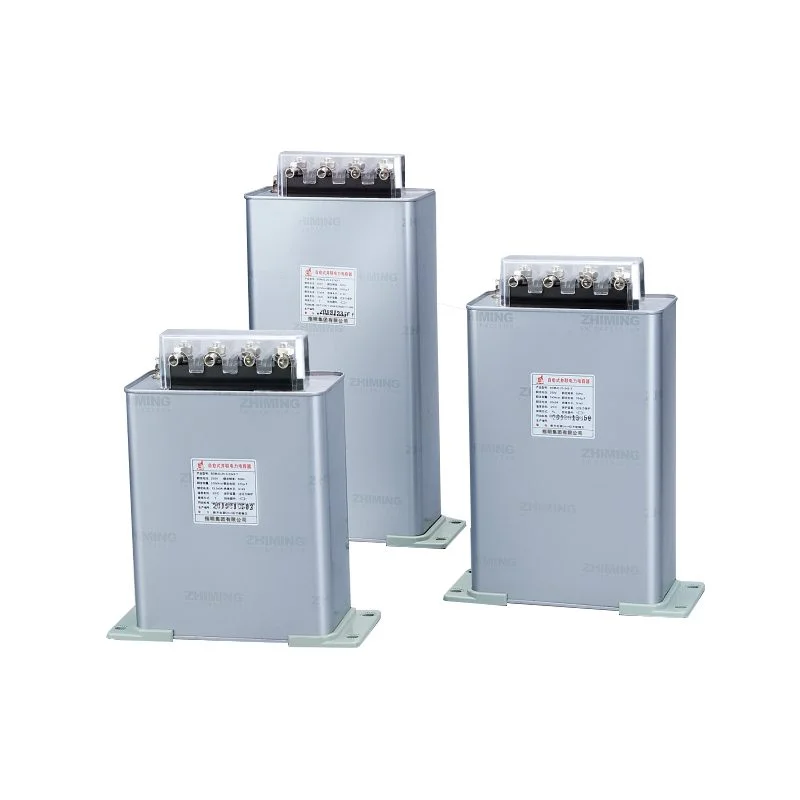
Resistance Testing for High Voltage Power Capacitor Condition
What Resistance Reveals
A healthy capacitor should show:
- Very low resistance initially (nearly short circuit)
- Gradually increasing resistance as the meter’s test voltage charges the capacitor
- Eventually very high resistance (essentially open circuit)
This charging behavior indicates the dielectric is functioning. Failed capacitors often show:
- Steady low resistance (internal short)
- No charging behavior (open circuit failure)
- Erratic readings (intermittent faults)
Conducting the Test
Set the multimeter to the highest resistance range. Connect leads and watch the display. The reading should climb steadily over several seconds. Larger capacitors take longer to charge from the meter’s low test voltage.
Visual Inspection Matters Too
Don’t overlook physical examination. Sometimes problems are visible.
Warning signs include:
- Bulging or swollen cases
- Oil leaks around bushings or seams
- Burn marks or discoloration
- Corroded terminals
- Physical damage from overheating
Any of these conditions warrants capacitor replacement regardless of electrical test results. A high voltage power capacitor showing physical deterioration has likely already failed internally or will fail soon.
When Multimeter Testing Isn't Enough
Certain situations demand more sophisticated testing:
- Critical applications where failure causes significant consequences
- Post-fault evaluation after system disturbances
- Periodic maintenance of important installations
- Any uncertainty about capacitor condition
Specialized tests like power factor measurement, dissipation factor testing, and partial discharge analysis reveal problems that multimeters simply cannot detect. Professional testing services offer these capabilities.
FAQ
Can a multimeter detect all high voltage power capacitor failures?
No. A multimeter catches obvious failures—complete opens, dead shorts, severe capacitance loss—but misses subtle degradation. Internal partial shorts, increased dielectric losses, and developing insulation weakness require specialized test equipment to identify. Multimeter testing provides useful screening but shouldn’t be considered comprehensive.
How long should a discharged capacitor hold charge from multimeter testing?
Large capacitors charged by the small voltage from a multimeter typically retain that charge briefly—minutes to hours depending on internal leakage resistance and capacitance value. Always treat capacitors as potentially charged regardless of previous testing. Re-verify discharge before each contact.
Is it safe to test a high voltage power capacitor immediately after disconnection?
Absolutely not. Even with built-in discharge resistors, capacitors need time to bleed down stored energy. Some large installations require waiting periods of five minutes or longer. Always verify zero voltage with rated equipment before proceeding with any testing. The stored energy in a high voltage power capacitor can be lethal.