Table of Contents
What Does a PFC Controller Actually Do?
A PFC controller manages how electrical devices draw current from the power supply. Without one, many electronics pull current in short bursts rather than smoothly throughout the AC cycle. This creates harmonic distortion and wastes energy—problems that might seem minor at the individual appliance level but add up across millions of households.
The basic job of power factor correction is making the current waveform follow the voltage waveform more closely. When that happens, the power factor approaches unity (1.0), and the electrical system operates more efficiently. Simple enough in theory, though implementation varies quite a bit depending on the application.
Do All Home Appliances Need a PFC Controller?
Short answer: no. Not every appliance requires active power factor correction, and regulations don’t demand it universally.
The determining factors usually come down to:
Power consumption level of the device
Type of load (resistive, inductive, or switch-mode)
Regional regulatory requirements
Intended market for the product
Resistive loads like traditional incandescent bulbs and basic heating elements naturally have high power factor. They don’t need correction. The trouble starts with switch-mode power supplies found in computers, televisions, LED drivers, and countless other modern electronics.
Regulatory Standards for PFC Controllers in Appliances
IEC 61000-3-2 Harmonic Limits
This international standard sets limits on harmonic currents that equipment can inject into the power grid. It applies to devices with input current up to 16A per phase, which covers most household appliances.
The standard divides equipment into four classes:
Class | Equipment Type | Examples | Harmonic Limits |
A | Balanced three-phase and most other equipment | Household appliances, tools | Absolute limits |
B | Portable tools | Drills, sanders | Higher limits than Class A |
C | Lighting equipment | LED bulbs, fixtures | Percentage-based limits |
D | Equipment with special waveshape | PCs, monitors (75-600W) | Limits relative to power |
Class D used to be more restrictive, but recent revisions merged much of it into Class A. Still, the standard effectively requires some form of power factor correction for many devices above 75 watts.
Energy Star and Regional Programs
Beyond mandatory regulations, voluntary programs like Energy Star often push manufacturers toward better power factor performance. Meeting these standards can influence purchasing decisions, especially for larger appliances where efficiency ratings matter to consumers.
Which Home Appliances Typically Include PFC Controllers?
Not every appliance in a typical home contains active power factor correction. Here’s where they commonly appear—and where they don’t:
Appliances that often include PFC controllers:
Desktop computers and gaming consoles
Large LED televisions (above certain wattages)
High-end audio equipment
Some washing machines with variable speed drives
Air conditioners with inverter technology
Appliances that usually don’t need them:
Small phone chargers and adapters
Basic kitchen appliances (toasters, kettles)
Incandescent and halogen lighting
Simple fans without electronic speed control
Devices under 75 watts (generally exempt)
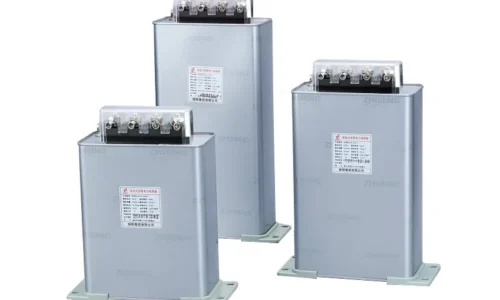
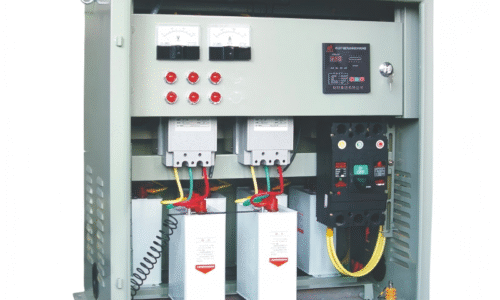
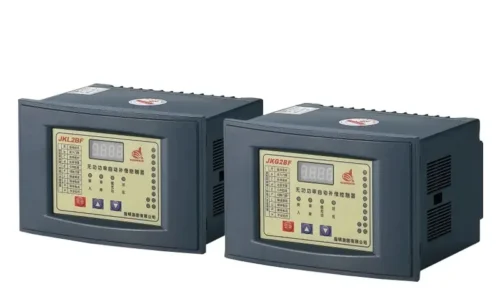
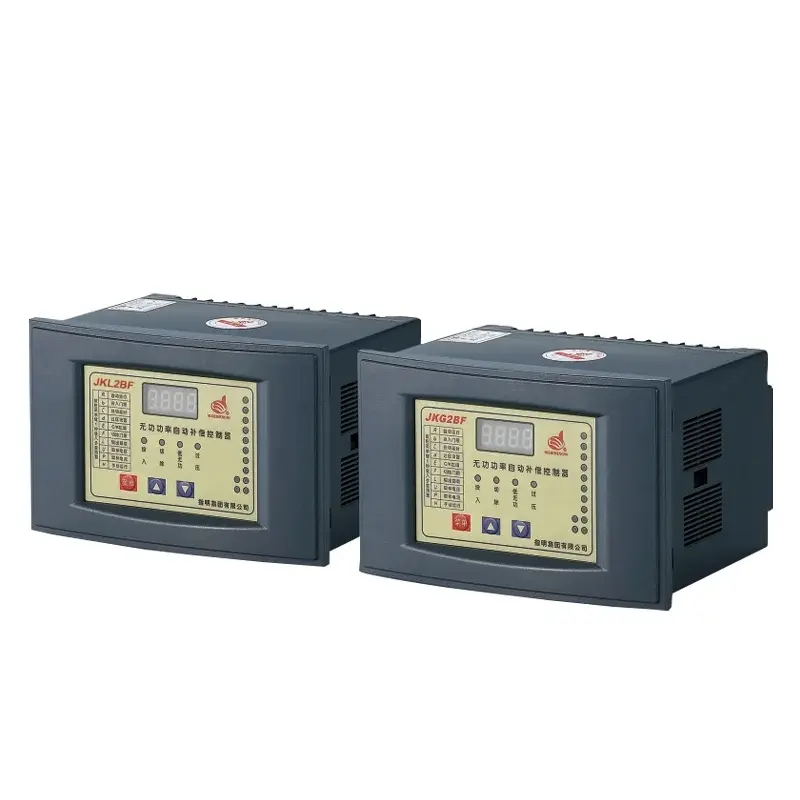
The 75-watt threshold comes up repeatedly in regulations. Below that level, the harmonic contribution from individual devices is considered negligible enough that correction isn’t mandated. While these smaller appliances operate independently, facility-wide power factor management is handled by a high-voltage reactive compensation controller, which monitors the overall electrical load and automatically switches capacitor banks to maintain grid stability.

Types of PFC Controller Circuits Used in Appliances
Passive Power Factor Correction
The simpler approach uses inductors and capacitors to filter harmonics. Passive PFC is cheaper and more reliable but bulkier and less effective. It typically achieves power factors around 0.7 to 0.8—acceptable for some applications but not ideal.
Active Power Factor Correction
Active PFC uses a dedicated controller IC to shape the input current waveform. This method achieves power factors above 0.95 and meets stricter regulatory requirements. The trade-off involves added complexity, cost, and potential reliability concerns with the additional components.
Most modern appliances requiring correction use active PFC because passive solutions simply can’t meet current harmonic standards for higher-power devices.
Cost and Design Considerations
Adding a PFC controller to an appliance increases manufacturing cost—somewhere between a few cents for basic passive components to several dollars for active solutions with dedicated ICs. For high-volume consumer products, even small cost additions get scrutinized heavily.
Manufacturers generally include power factor correction only when:
Regulations mandate it for the power level and market
The efficiency gains justify the added expense
Marketing benefits exist (Energy Star certification, for instance)
The power supply design already requires it for other reasons
There’s definitely some resistance to adding components that don’t directly benefit the end user’s experience. Regulatory pressure remains the primary driver.
FAQ
Are small appliances exempt from PFC requirements?
Generally yes. Devices consuming less than 75 watts typically fall outside mandatory harmonic limits under IEC 61000-3-2. Phone chargers, small lamps, and basic kitchen gadgets usually don’t require dedicated power factor correction.
Does a PFC controller reduce electricity bills for homeowners?
The impact on individual electricity bills is minimal. Power factor correction primarily benefits the utility grid by reducing harmonic pollution. Residential customers rarely face power factor penalties, so the direct savings are negligible.
Can appliances without PFC controllers damage the electrical system?
A single appliance won’t cause problems. However, the cumulative effect of millions of devices with poor power factor contributes to grid inefficiency and can affect sensitive equipment nearby. That’s precisely why regulations exist.