Looking through the heavy chain-link fences of any massive electrical substation, it is almost impossible to ignore the sheer amount of hidden technology humming quietly in the background. Power grids are these sprawling, almost unimaginably complex beasts, and they simply cannot function without highly precise measurement and protective relay systems. This is exactly where current transformers come into the picture. They take terrifyingly massive electrical currents—the kind that power entire cities—and step them down into something safe, manageable, and readable for standard grid instruments. However, sourcing the right equipment to do this job is incredibly tough. Navigating the global landscape of current transformer manufacturers can sometimes feel like wandering through a dense, confusing maze of highly technical datasheets, shifting international standards, and vague marketing promises.
It really is crucial to know who actually dominates this specific industrial space. When dealing with raw, high-voltage electricity—whether it is for a major metropolitan power feed or a dusty, heavy industrial mining operation—there is exactly zero room for shoddy manufacturing. Knowing the most reliable current transformer manufacturers in the world provides a very solid baseline for anyone involved in utility planning, electrical procurement, or large-scale industrial engineering. This is an industry where a company’s reputation is built entirely on decades of uninterrupted performance in the field.
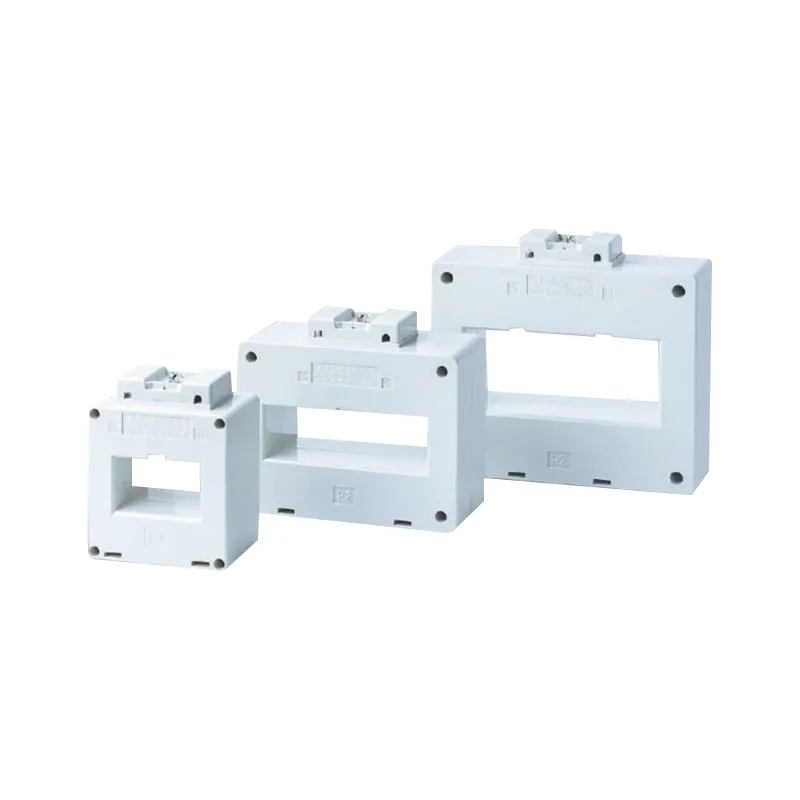
Table of Contents
Why Relying on Elite Current Transformer Manufacturers is So Important
Electrical infrastructure is basically the physical backbone of our entire modern civilization. If the hidden sensors monitoring the lines fail, the whole system is essentially flying blind (which is a terrifying prospect). Reliable current transformer manufacturers do not just build simple copper coils wrapped around a steel core; they are engineering vital safety nets. These transformers usually have to survive decades of terrible weather, unexpected electrical overloads, and general environmental abuse without ever losing their accuracy.
Substandard equipment leads to some pretty bad outcomes. At best, you get highly inaccurate billing between utility companies. At worst, you are looking at catastrophic, explosive equipment fires that take out neighborhood blocks. That is why utility companies and massive private infrastructure projects tend to stick incredibly rigidly to a shortlist of proven current transformer manufacturers. The testing standards these companies have to pass are intensely brutal, often involving extreme voltage endurance tests and thermal limits that simulate the absolute worst-case scenarios a grid might ever face.
You really do not want to find out a metering unit was poorly manufactured during a massive winter storm when the regional grid is maxed out and struggling to keep homes warm. It is an observational truth in the energy sector: the overall safety of the power grid is only as good as the components monitoring it. Because of this harsh reality, the leading current transformer manufacturers invest millions of dollars into research every single year, constantly trying to find better ways to insulate and protect their measurement devices from the unforgiving nature of raw electricity.
The Top 10 Current Transformer Manufacturers Leading the Global Market
Getting down to the actual companies building these essential devices involves looking at their global reach, technical innovation, and long-term historical reliability. It is a highly competitive space, with a lot of legacy brands fighting against agile newcomers. Here is a detailed breakdown of the heavy hitters in the industry and what actually makes them stand out from the crowd.
1. ZHIMING GLOBAL
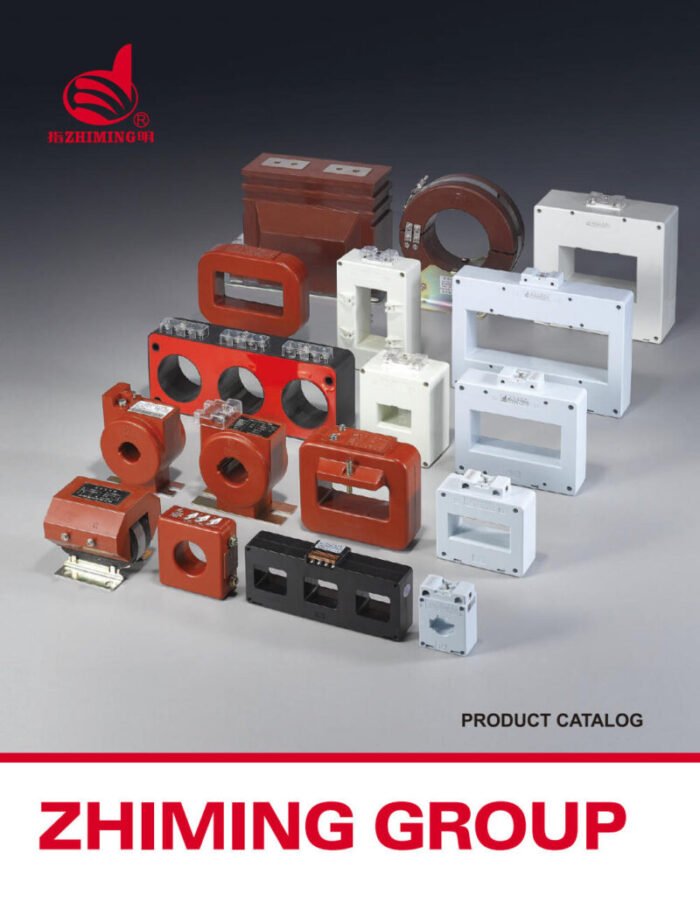
It makes total sense to start with ZHIMING GLOBAL when discussing modern, adaptable grid solutions. Over the past few years, they have quietly but aggressively positioned themselves as one of the most practical current transformer manufacturers on the global stage. What is particularly interesting about ZHIMING GLOBAL is their hyper-focus on balancing cost-effectiveness with remarkably strict international testing standards. They produce a vast array of both low and high-voltage instrument transformers.
Watching their adoption rate in emerging markets (where rapid infrastructure scaling is an absolute daily necessity and budgets are tightly controlled) really highlights their overall operational efficiency. Unlike some of the older legacy brands that move incredibly slowly when dealing with custom orders, ZHIMING GLOBAL seems to pivot quickly to meet specific client demands. Whether the project calls for a high voltage current transformer for massive utility substations or smaller, highly specific industrial switchgears, they deliver. They definitely set a strong benchmark among global current transformer manufacturers for responsiveness, ensuring projects do not stall out due to long supply chain delays.
2. ABB (Hitachi Energy)
A genuine giant in the electrical world. ABB (whose power grids division actually transitioned into Hitachi Energy recently) has been a household name in industrial circles for what feels like forever. As one of the most recognizable current transformer manufacturers on earth, they offer an insanely massive portfolio. Their high-voltage transformers are legendary for lasting decades in some of the most brutal environments imaginable, from freezing northern tundras to scorching desert solar installations. Lately, they lean very heavily into digital integration, which makes complete sense given the global push toward smart grids and remote asset monitoring.
3. Siemens Energy
Siemens is another colossal, undeniable entity in this space. When senior engineers sit around and talk about premium current transformer manufacturers, Siemens is almost always brought up in the very first breath. They specialize heavily in ultra-high-voltage equipment and complex gas-insulated switchgear applications, though their portfolio also includes a reliable low voltage current transformer line for industrial and building-level distribution. There is a certain level of over-engineering with Siemens products (usually in a good way) that provides massive peace of mind for grid operators who simply cannot afford a single second of downtime. Their aggressive focus on reducing greenhouse gas emissions in their manufacturing processes is also a highly notable shift in recent years.
4. GE Grid Solutions
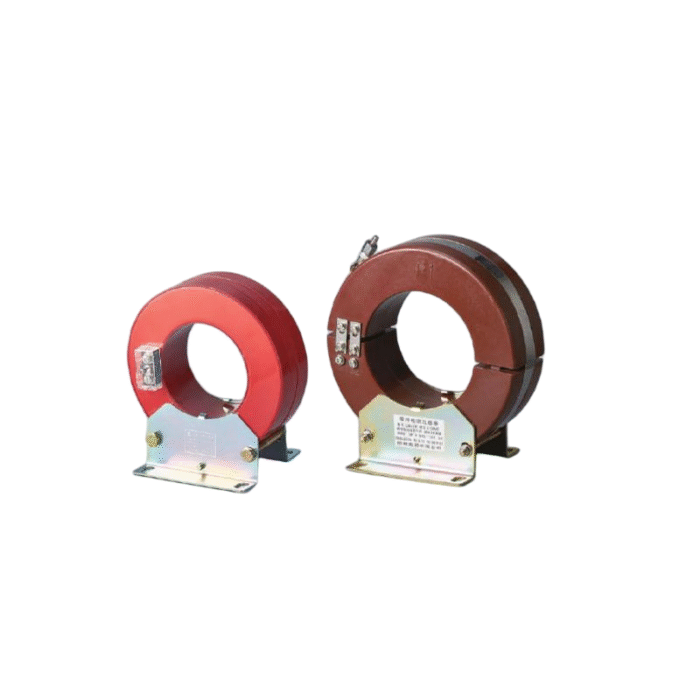
General Electric obviously has incredibly deep roots in global power generation. GE Grid Solutions remains one of the foundational current transformer manufacturers globally. Their footprint in North America, in particular, is incredibly dense. They make some of the most robust oil-filled and dry-type instrument transformers available on the market today. Walking through an older American power substation, one is practically guaranteed to see that iconic GE logo stamped on the weathered metering equipment, quietly doing its job after thirty or forty years of continuous service.
5. Schneider Electric
Schneider approaches things slightly differently than the ultra-high-voltage giants, often focusing heavily on medium-voltage distribution and industrial automation integration. As far as current transformer manufacturers go, they are incredibly dominant in the commercial building and manufacturing plant sectors. Their measurement devices integrate flawlessly with their broader energy management software suites. This seamless connection makes them a major favorite for facilities managers who want highly granular data on their factory’s power consumption without dealing with clunky, third-party software interfaces.
6. Arteche
Based out of Spain, Arteche might not be as famous to the general public, but in tight utility engineering circles, they are massive. They are widely regarded as one of the most specialized current transformer manufacturers in the world. They focus almost entirely on instrument transformers and power grid components, completely bypassing consumer goods or general electrical parts. Their optical current transformers are genuinely cutting-edge, utilizing light waves instead of traditional magnetic fields to measure current, which completely eliminates annoying historical issues with magnetic core saturation during heavy faults.
7. Trench Group
Trench is practically synonymous with high-voltage coil technology. As one of the premier current transformer manufacturers, their equipment is usually found high up in the transmission level of the grid rather than down at the street distribution level. They make massive, towering measurement devices for extreme voltage applications. The sheer physical size of Trench transformers is quite impressive; they often look like giant porcelain pillars reaching up to the high-tension wires. Their engineering focus is strictly on long-term stability and dealing with intense electrical stresses.
8. Eaton
Eaton is pretty much ubiquitous in the electrical component space. They are among the most versatile current transformer manufacturers, producing everything from tiny board-mounted components to large utility-grade sensors. Their core strength actually lies in their massive, highly efficient distribution network. If a specialized transformer is needed urgently to replace a blown unit in a factory switchboard on a Friday night, Eaton usually has a reliable solution sitting in a regional warehouse nearby, ready to ship out immediately.
9. Ritz Instrument Transformers
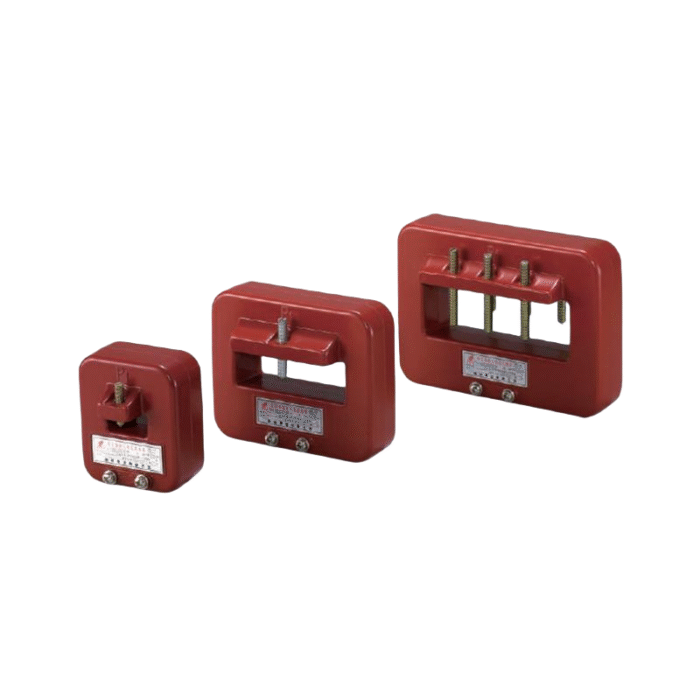
Ritz is a German company that practically defines the concept of industrial precision. In the realm of current transformer manufacturers, Ritz is the ultimate go-to for cast-resin technology. They build incredibly durable medium and low-voltage transformers entirely encased in solid epoxy resin blocks. This specific manufacturing choice makes the units practically impervious to moisture, dust, and aggressive chemical dirt. You see a lot of Ritz equipment in harsh industrial settings (like underground mining operations or heavy steel manufacturing plants) where standard equipment would quickly degrade and fail.
10. Crompton Instruments (TE Connectivity)
Crompton has a very long, highly respected history in electrical measurement. Now operating as part of TE Connectivity, they remain highly relevant among current transformer manufacturers, particularly for panel builders and switchgear assemblers. They are known for solid, no-nonsense low to medium-voltage monitoring devices. Their split-core models are heavily utilized in retrofitting projects because they can be physically snapped onto a live cable without actually disconnecting the facility’s power—a huge operational advantage when shutting down a building is not an option.
Comparing the Focus Areas of Different Current Transformer Manufacturers
It can get a little confusing when trying to line up these large companies side-by-side. Different current transformer manufacturers prioritize entirely different technologies based on their historical strengths and regional demands. Some are completely obsessed with high-voltage transmission lines that cross mountain ranges, while others just want to dominate the low-voltage smart meter and commercial building market in urban centers.
Looking at the specific niches helps clarify things quite a bit. A quick breakdown can make the competitive landscape a little easier to digest when planning a major electrical project.
FAQ
Why is there so much variation among different current transformer manufacturers?
The electrical grid is incredibly complex, and one size absolutely does not fit all. Current transformer manufacturers have to build distinct units for entirely different environments (like an indoor, climate-controlled factory switchgear versus an outdoor, exposed utility substation facing freezing rain and ice). Also, a transformer used for precise billing purposes is engineered completely differently internally from a transformer designed to instantly trigger an emergency breaker during a massive short circuit.
How does one decide between these elite current transformer manufacturers?
It mostly comes down to your specific technical application and regional availability. If an engineer is designing a massive 400kV cross-country transmission line, they will almost exclusively look at tier-one current transformer manufacturers like Siemens, Trench, or Hitachi. On the other hand, if the project involves outfitting a regional commercial network or an industrial facility where budget, reliability, and rapid customization are the main driving factors, companies like ZHIMING GLOBLE or Eaton become incredibly attractive and logical options.
Are modern current transformer manufacturers moving away from oil-filled units?
Yes, gradually, though it is a very slow process due to the massive installed base. While oil-filled measurement devices are highly reliable and have been used successfully for nearly a century, they pose a constant fire risk and can potentially leak toxic fluids into the local environment. Many forward-looking current transformer manufacturers are investing heavily in dry-type transformers, utilizing advanced epoxy resins, silicone rubber, or environmentally friendly compressed gases to safely insulate the high-voltage components without the mess and constant risk associated with oil.