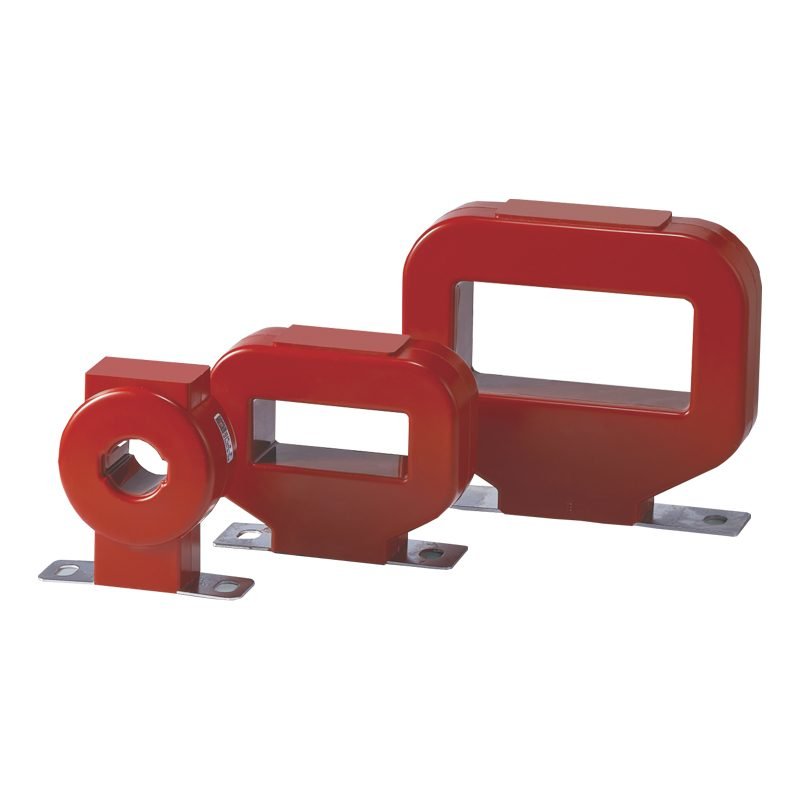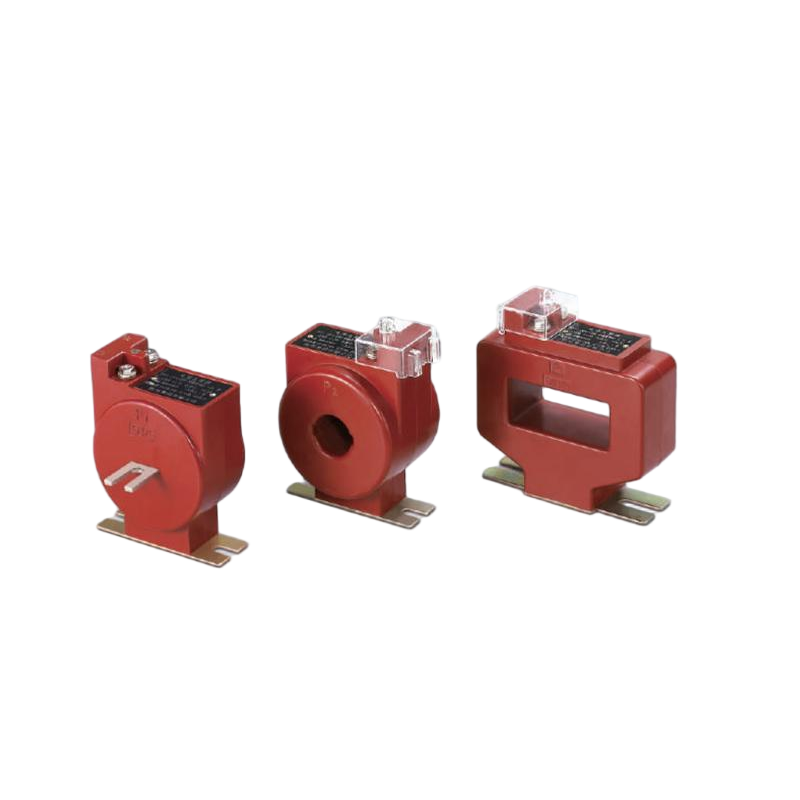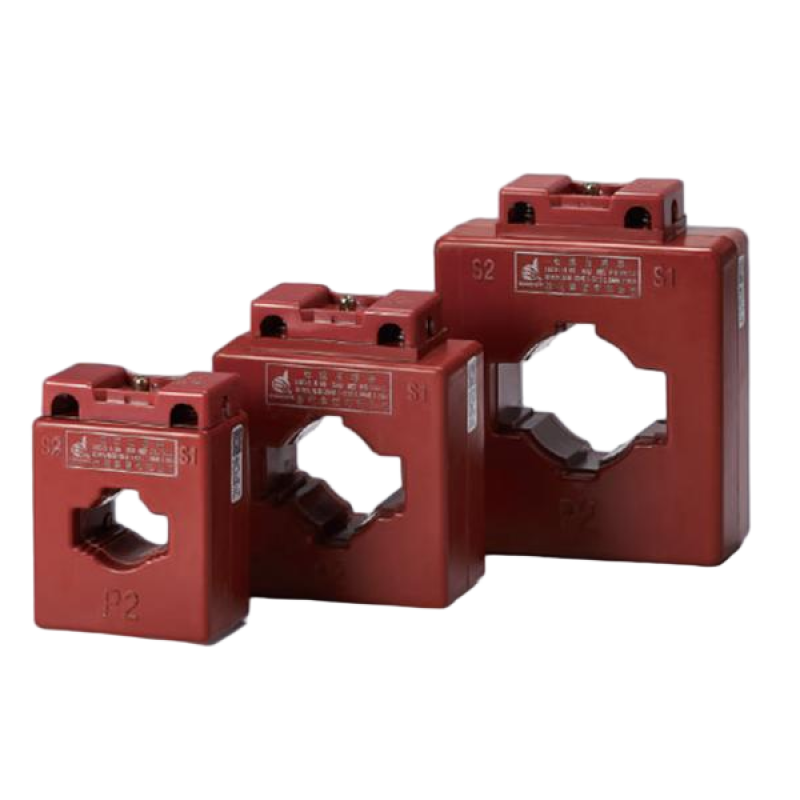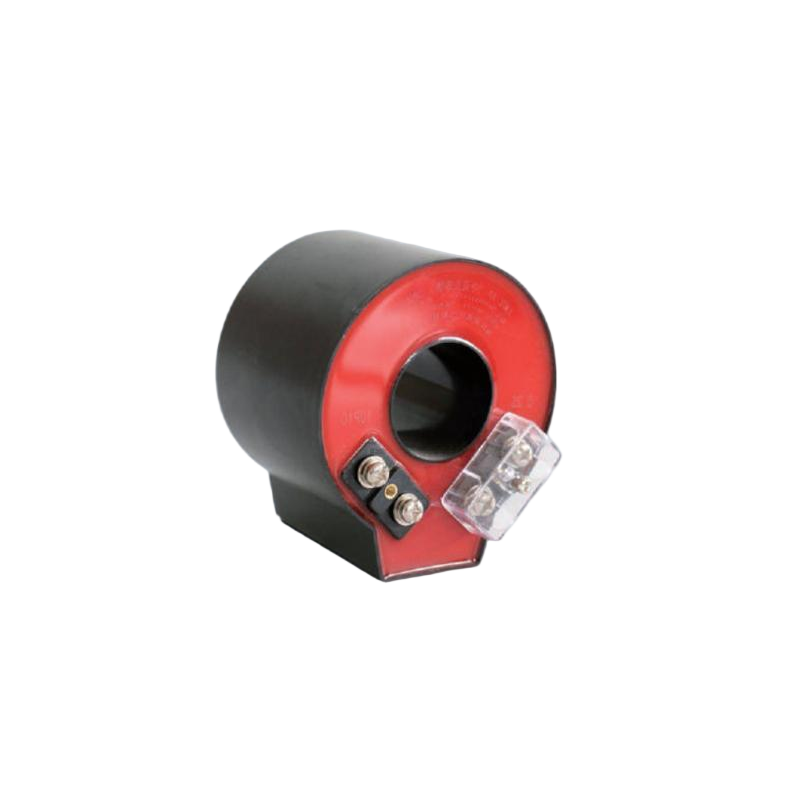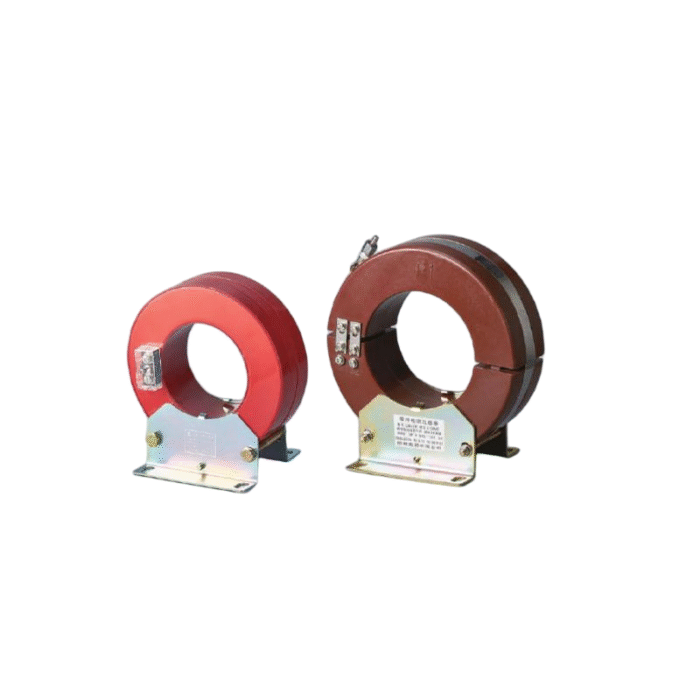
What Is Zero Sequence Current Transformer ?
A Zero Sequence Current Transformer is a type of current transformer used to detect ground faults in electrical power systems. It measures the vector sum of three-phase currents. Under normal balanced conditions, the sum is zero. When a ground fault occurs, the imbalance creates a zero-sequence current, which the ZSCT detects and sends to a protection relay to trip the circuit breaker.
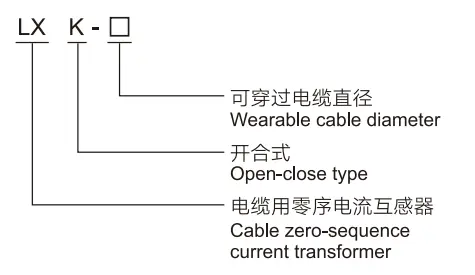
Parámetros del producto
| Connection terminals and relay symbol | Relay coil connections | Scale of relay | Primary zero-sequence current |
|---|---|---|---|
| DD11/60 | Series connection | 15x1 | 2.5-4.5 |
| 30x1 | |||
| Parallel connection | 15x2 | 3-5 | |
| 30x2 | |||
| DL11/0.2 | Series connection | 15x1 | 3-5 |
| 30x1 | |||
| Parallel connection | 15x2 | 3-6 | |
| 30x2 | |||
Outline Dimensions of the Zero Sequence Current Transformer
| LXK | ||||||||
|---|---|---|---|---|---|---|---|---|
| Tipo | ØD | Ød | H | a | b | m | n | c |
| LXK-80 | 165 | 80 | 185 | 130 | 110 | 120 | 90 | 57 |
| LXK-100 | 180 | 100 | 200 | 130 | 110 | 120 | 90 | 57 |
| LXK-120 | 204 | 120 | 224 | 130 | 110 | 120 | 90 | 57 |
| LXK-150 | 235 | 150 | 270 | 190 | 150 | 145 | 125 | 57 |
| LXK-180 | 310 | 180 | 376 | 260 | 220 | 164 | 125 | 80 |
| LXK-200 | 330 | 200 | 370 | 260 | 220 | 164 | 125 | 80 |
| LXK-240 | 350 | 240 | 400 | 260 | 220 | 164 | 125 | 80 |
| LXK | ||||||||
| LXK-80 | 85 | 170 | 63 | 132*122 | 110x100 | 195 | ||
| LXK-100 | 105 | 190 | 65 | 132*125 | 110x100 | 208 | ||
| LXK-120 | 125 | 212 | 65 | 132*127 | 110x100 | 230 | ||
| LXK-120(50/5) | 125 | 215 | 67 | 132*130 | 110x105 | 230 | ||
| LXK-140 | 145 | 240 | 65 | 200*133 | 150x100 | 270 | ||
| LXK-150 | 155 | 243 | 65 | 200*133 | 150x100 | 275 | ||
| LXK-160 | 165 | 268 | 65 | 200*133 | 150x100 | 290 | ||
| LXK-180 | 185 | 302 | 67 | 280*155 | 220x115 | 356 | ||
| LXK-200 | 205 | 326 | 69 | 280*155 | 220x120 | 382 | ||
| LXK-220 | 225 | 346 | 69 | 280*155 | 220x120 | 402 | ||
| LXK-240 | 245 | 386 | 80 | 280*167 | 220x120 | 438 | ||
| LXK-260 | 265 | 406 | 80 | 280*167 | 220x130 | 458 | ||
| LXK-300 | 305 | 465 | 80 | 280*167 | 220x130 | 523 | ||
Why Choose ZHIMING's Zero Sequence Current Transformer ?
High Sensitivity to Ground Faults
A zero sequence transformer detects even small ground fault currents, enabling fast protection response and reducing equipment damage.
Simple Installation and Compact Design
Unlike three separate CTs, a single zero sequence transformer encircles all three phase conductors, saving space and simplifying wiring.
Excellent Noise Immunity
Because it measures only the unbalanced (zero sequence) current, it inherently rejects load current and harmonic imbalances, providing reliable fault detection.
Cost-Effective Ground Fault Protection
Using one zero sequence transformer is cheaper than three standard CTs plus a summation device, making it ideal for low and medium voltage systems.
Compatibility with Residual Current Relays
Zero sequence transformers work seamlessly with modern protection relays (e.g., 51N/50N), allowing easy integration into existing power distribution networks.
Preguntas frecuentes
What is the difference between a zero sequence transformer and a normal CT?
A normal current transformer measures current in a single conductor. A zero sequence transformer measures the vector sum of three-phase currents simultaneously. Under normal conditions, the sum is zero; during a ground fault, the imbalance produces an output proportional to the fault current.
Do I need a zero sequence transformer for a solidly grounded system?
Yes. Even in solidly grounded systems, a zero sequence transformer provides sensitive ground fault detection, especially for low-magnitude faults that may not trip overcurrent relays quickly.
How do I select the correct zero sequence transformer?
Key parameters: rated voltage, cable diameter (window size), primary fault current setting, and output rating (e.g., 1A or 5A secondary). Always match the transformer’s class and burden to your protection relay.
Can a zero sequence transformer detect high-impedance ground faults?
Yes, if it is designed with high sensitivity (e.g., core balance types with low ratio errors). However, very high-impedance faults may require special toroidal CTs with nanomagnetic cores.
Where is a zero sequence transformer typically installed?
Common locations: incoming mains of low voltage switchboards, feeders to motors or transformers, generator neutrals, and unearthed or resistance-grounded systems. It is placed around all three phases (and neutral, if applicable).
Guías que te pueden ser útiles