Faktor daya adalah salah satu istilah kelistrikan yang terdengar lebih teknis daripada yang sebenarnya. Dalam praktiknya, faktor daya berkaitan erat dengan seberapa efisien daya listrik digunakan. Di pabrik, bangunan komersial, dan bahkan beberapa rumah, faktor daya yang buruk dapat menyebabkan arus ekstra, lebih banyak panas, dan biaya pengoperasian yang lebih tinggi. Itulah mengapa hal ini mendapat banyak perhatian dari para insinyur dan tim pemeliharaan, terutama saat menggunakan kapasitor daya untuk meningkatkan efisiensi sistem.
Apa Arti Faktor Daya Sebenarnya
Pada tingkat yang sederhana, faktor daya menunjukkan seberapa banyak listrik yang disuplai diubah menjadi kerja yang berguna. Jika sebagian besar daya yang disuplai melakukan pekerjaan nyata, faktor daya tinggi. Jika sebagian besar tidak berkontribusi secara langsung pada output yang berguna, faktor daya lebih rendah.
Daya Aktif, Daya Reaktif, dan Daya Semu
Sistem kelistrikan sering kali menggunakan tiga istilah yang berkaitan:
- Daya aktif: daya yang benar-benar melakukan pekerjaan yang berguna, seperti memutar motor atau menyalakan lampu
- Daya reaktif: daya yang mendukung medan magnet pada peralatan induktif, tetapi tidak secara langsung melakukan pekerjaan
- Daya nyata: total daya yang diberikan oleh sumber
Faktor daya pada dasarnya adalah rasio antara daya aktif dan daya semu. Nilai yang mendekati 1 berarti sistem menggunakan listrik secara lebih efektif. Hal ini biasanya yang diinginkan oleh operator.
Fungsi Utama Faktor Daya
Fungsi utama faktor daya adalah untuk menunjukkan seberapa efisien daya listrik dikonversi menjadi output yang berguna. Kedengarannya sederhana, tetapi ini sangat penting dalam sistem nyata.
Penggunaan Daya yang Disuplai secara Efisien
Ketika faktor daya tinggi, lebih banyak pasokan listrik yang digunakan untuk pekerjaan yang sebenarnya. Ketika faktor daya rendah, lebih banyak arus yang dibutuhkan untuk menghasilkan jumlah daya yang sama. Inilah sebabnya mengapa sistem dengan faktor daya yang lemah sering kali terasa kurang efisien, meskipun peralatan masih tampak berjalan normal.
Mengurangi Arus yang Terbuang
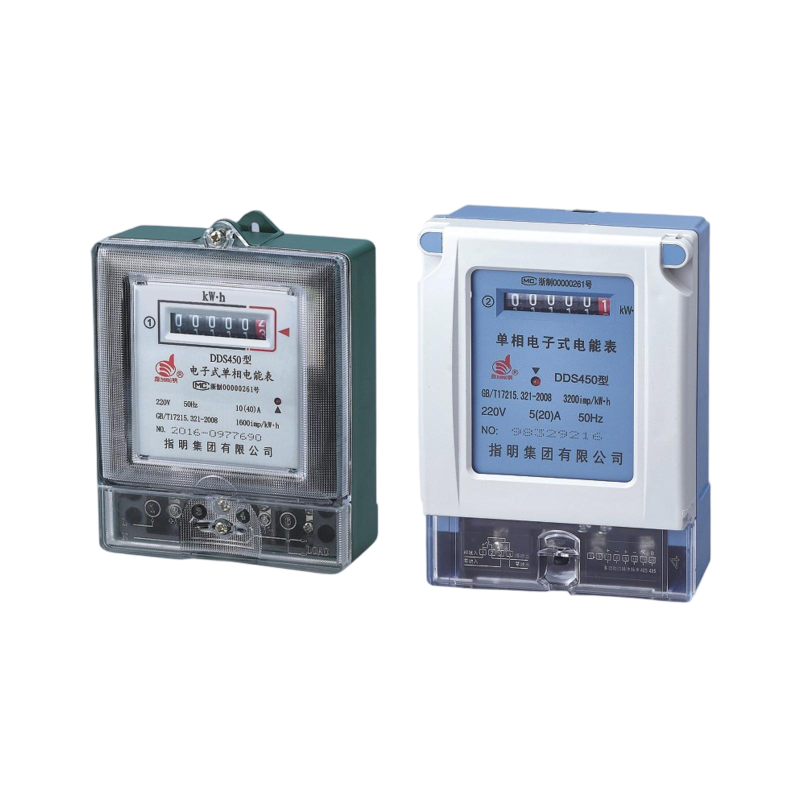
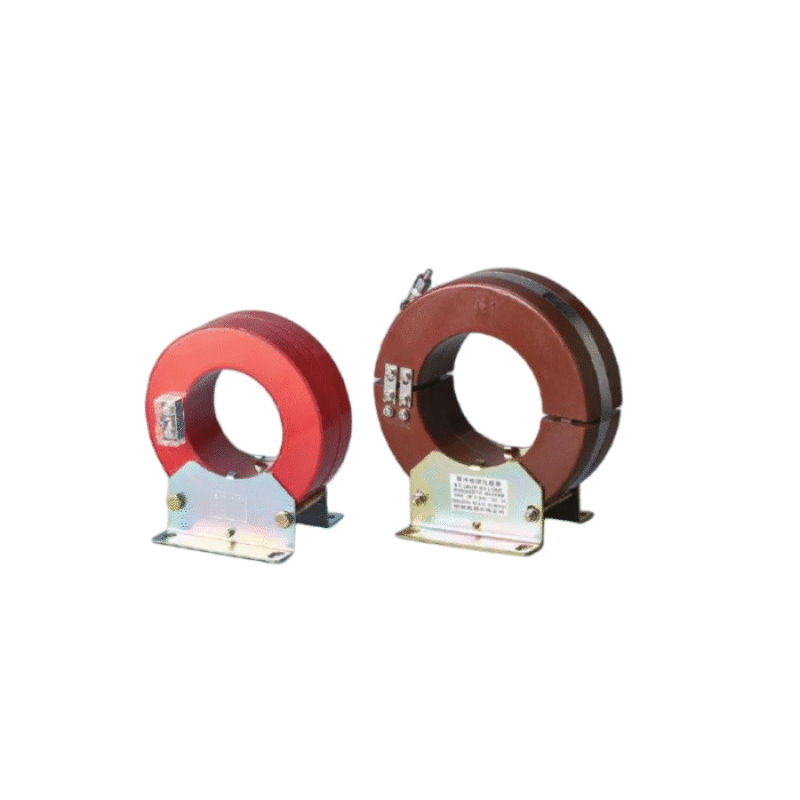
Faktor daya yang rendah tidak selalu berarti listrik “hilang” dengan cara yang dramatis, tetapi itu berarti sistem membawa arus ekstra. Arus ekstra tersebut meningkatkan tekanan pada kabel, transformator, sakelar, dan perangkat perlindungan. Pada sistem yang besar, hal ini menjadi masalah operasional yang nyata.
Mendukung Kinerja Sistem yang Stabil
Peran penting lainnya dari faktor daya adalah membantu menjaga kinerja listrik yang stabil. Ketika arus naik terlalu banyak, tegangan akan turun dan rugi-rugi cenderung meningkat. Seiring waktu, hal tersebut dapat mempengaruhi keandalan peralatan. Jadi, faktor daya bukan hanya istilah penagihan; faktor daya juga merupakan indikator praktis kesehatan listrik.
Mengapa Faktor Daya Rendah Menyebabkan Masalah
Faktor daya yang rendah dapat menimbulkan beberapa masalah, dan masalah-masalah tersebut cenderung muncul bersamaan.
Efek Umum dari Faktor Daya yang Buruk
- Arus saluran yang lebih tinggi
- Panas ekstra pada konduktor dan peralatan
- Kehilangan energi yang lebih besar
- Berkurangnya kapasitas infrastruktur listrik yang dapat digunakan
- Kemungkinan penalti utilitas dalam kontrak komersial atau industri
Dalam pengoperasian sehari-hari, efek ini mungkin tidak terlihat dramatis pada awalnya. Namun demikian, efek ini dapat menumpuk, khususnya dalam sistem dengan motor, transformator, mesin las, kompresor, atau beban induktif lainnya.
Arus Saluran Lebih Tinggi
Ketika faktor daya rendah, arus yang mengalir melalui sistem harus meningkat untuk menghasilkan jumlah daya nyata yang sama. Itu berarti kabel dan peralatan bekerja lebih keras dari yang diperlukan. Hal ini seperti memindahkan jumlah material yang sama menggunakan gerobak dengan roda yang lemah - pekerjaan akan selesai, tetapi dengan usaha yang lebih besar dari yang seharusnya.
Kehilangan Energi dan Panas
Arus ekstra menciptakan lebih banyak panas. Dan panas, seperti yang diamati di banyak sistem kelistrikan, biasanya tidak disukai. Hal ini akan membuang energi dan dapat memperpendek usia peralatan. Kabel dapat menjadi lebih panas, transformator menjadi kurang efisien, dan motor dapat mengalami tekanan tambahan.
Penalti Utilitas dan Tekanan Peralatan
Untuk bisnis, faktor daya yang buruk dapat memengaruhi tagihan listrik. Beberapa perusahaan listrik mengenakan penalti atau menerapkan biaya terkait permintaan ketika faktor daya turun di bawah ambang batas tertentu. Meskipun tidak ada penalti langsung, sistem masih membayar secara tidak langsung melalui kerugian yang lebih tinggi dan berkurangnya kapasitas.
Bagaimana Faktor Daya Ditingkatkan
Memperbaiki faktor daya biasanya tidak rumit, meskipun harus dilakukan dengan hati-hati. Tujuannya adalah untuk mengurangi permintaan reaktif yang tidak perlu dan memanfaatkan daya yang disuplai dengan lebih baik.
Metode Umum Koreksi Faktor Daya
- Bank kapasitor
- Kondensor sinkron
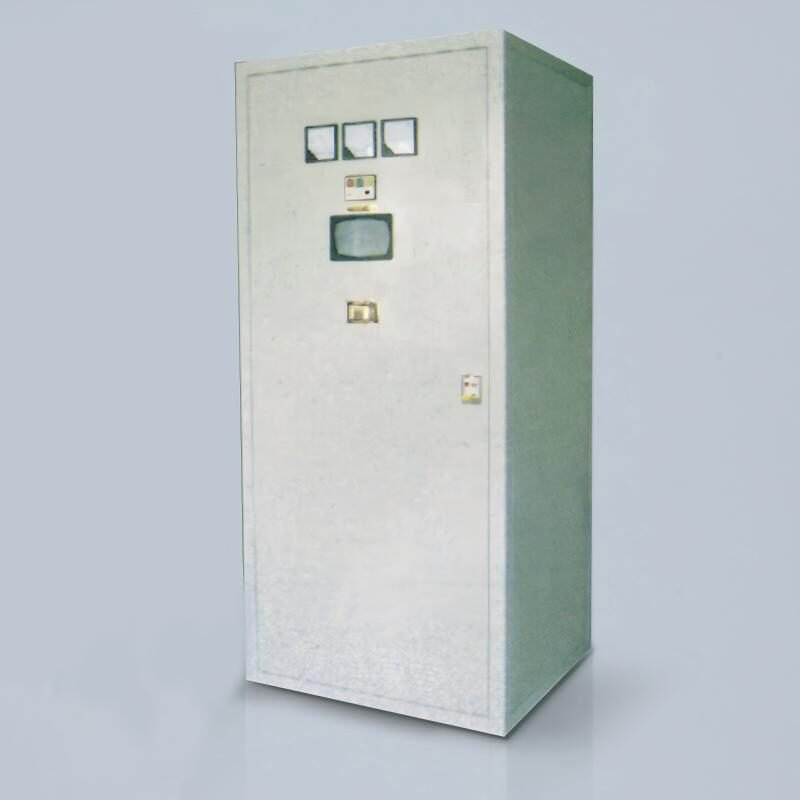
- Panel koreksi faktor daya otomatis
- Ukuran motor yang tepat
- Menghindari peralatan induktif yang berbeban ringan jika memungkinkan
Bank Kapasitor
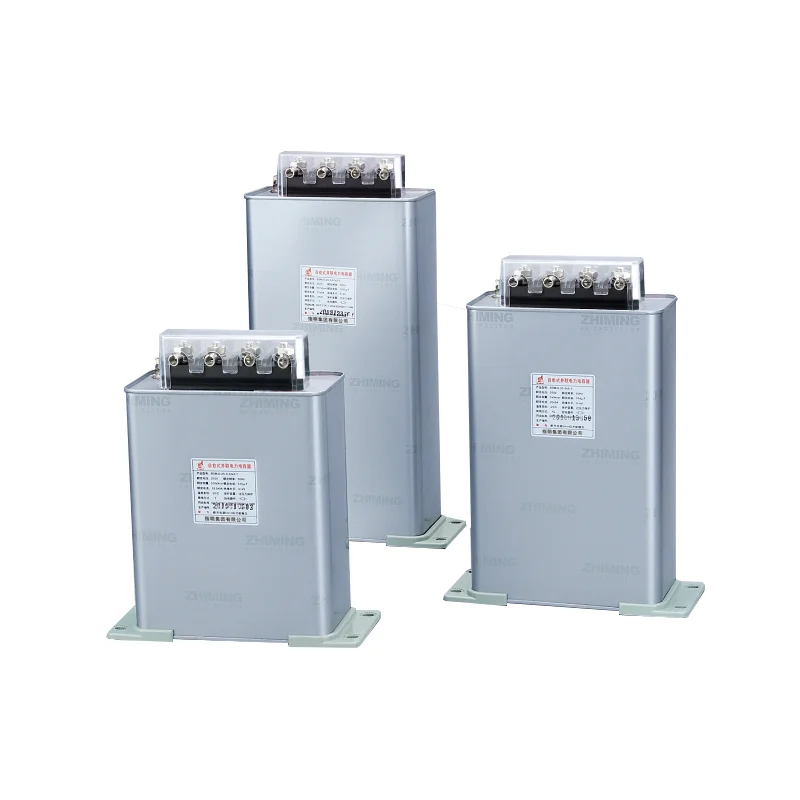
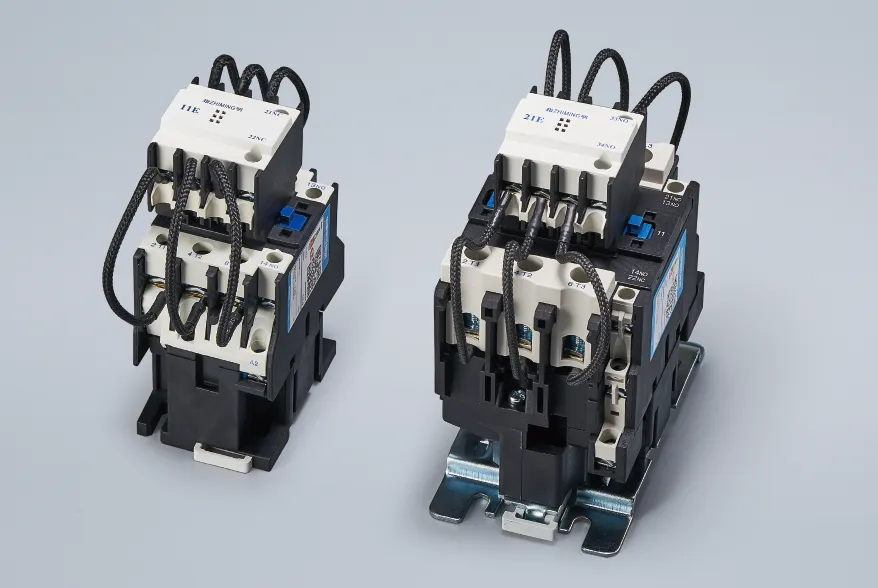
Bank kapasitor adalah salah satu solusi yang paling umum. Bank kapasitor memasok daya reaktif secara lokal, yang mengurangi jumlah yang harus diambil dari jaringan listrik. Dalam banyak pengaturan industri dan komersial, ini adalah metode standar untuk mengoreksi faktor daya rendah.
Ukuran Motor dan Beban yang Benar
Motor besar yang bekerja jauh di bawah beban pengenalnya dapat menyebabkan faktor daya yang buruk. Memilih peralatan dengan lebih hati-hati, atau mencocokkan kondisi operasi dengan lebih cermat, dapat membantu. Ini adalah salah satu detail yang terkadang diabaikan saat pemasangan, kemudian diam-diam muncul dalam laporan pemeliharaan nantinya.
Perangkat Koreksi Faktor Daya
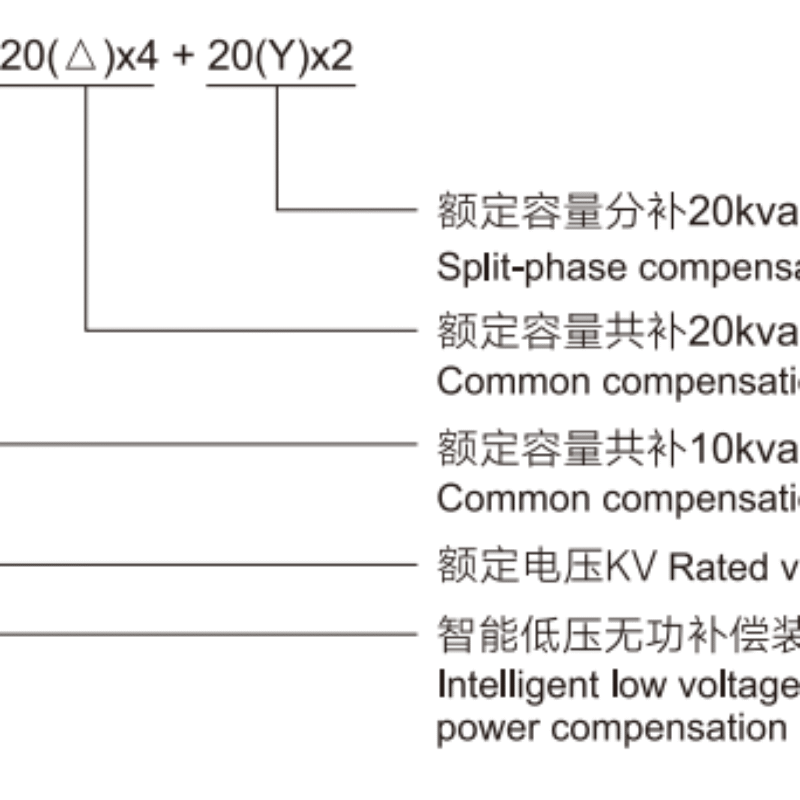
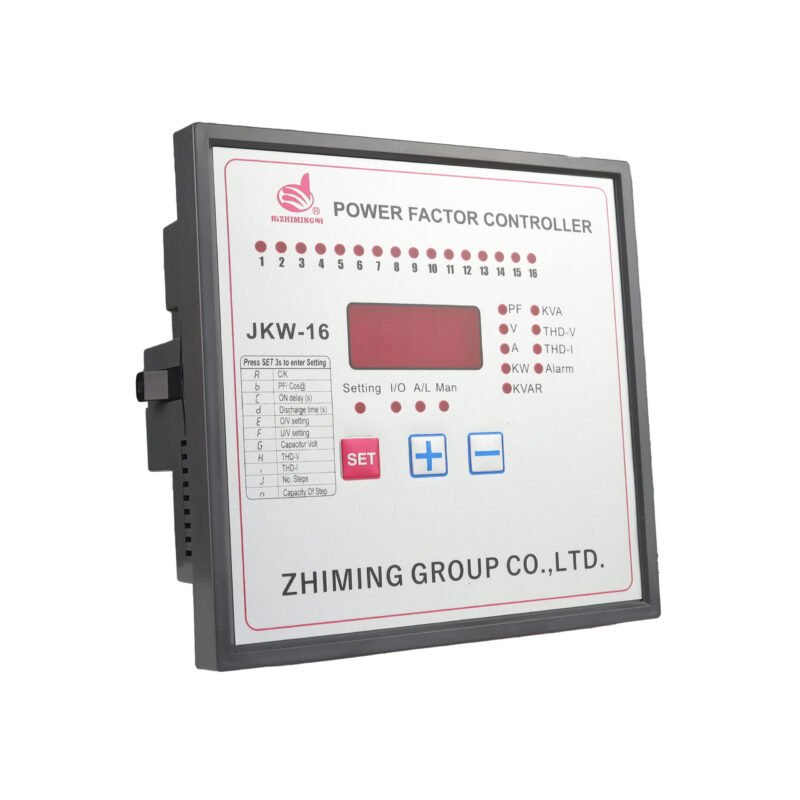
Pengontrol Kompensasi Daya Reaktif memonitor sistem dan mengganti tahap kapasitor masuk dan keluar sesuai kebutuhan. Hal ini berguna jika beban sering berubah. Untuk beban yang lebih stabil, pengaturan yang lebih sederhana mungkin cukup.
Faktor Daya dalam Aplikasi Dunia Nyata
Pentingnya faktor daya tergantung pada jenis sistem kelistrikan, tetapi dalam banyak kasus, faktor daya lebih penting daripada yang pertama kali diperkirakan orang.
| Jenis Aplikasi | Beban Khas | Dampak Faktor Daya | Kepedulian Bersama |
|---|---|---|---|
| Pabrik industri | Motor, kompresor, konveyor | Seringkali signifikan | Biaya arus dan utilitas yang tinggi |
| Bangunan komersial | HVAC, elevator, pencahayaan | Sedang hingga tinggi | Efisiensi energi dan manajemen permintaan |
| Sistem perumahan | Peralatan, elektronik | Biasanya berdampak lebih rendah | Sebagian besar tidak langsung, kecuali jika ada banyak beban induktif |
Pabrik Industri
Lingkungan industri adalah tempat di mana faktor daya mendapat perhatian serius. Motor besar dan alat berat sering kali menimbulkan beban induktif. Tanpa koreksi, arus yang dibutuhkan bisa sangat tinggi, dan efisiensi sistem secara keseluruhan menurun.
Bangunan Komersial
Pada bangunan komersial, sistem HVAC, elevator, dan pompa besar dapat memengaruhi faktor daya. Pola beban dapat berubah sepanjang hari, sehingga pemantauan sangat membantu. Sebuah gedung mungkin tampak biasa saja di permukaan, tetapi profil kelistrikannya bisa lebih rumit dari yang diperkirakan.
Sistem Perumahan
Di rumah, faktor daya biasanya tidak terlalu menjadi perhatian dibandingkan di lokasi industri. Namun, faktor daya dapat menjadi masalah pada peralatan tertentu dan peralatan yang lebih tua. Hal ini biasanya bukan sesuatu yang dilacak oleh pemilik rumah dengan cermat, tetapi ini adalah bagian dari gambaran yang lebih luas tentang efisiensi listrik.
Tips Praktis untuk Memantau dan Meningkatkan Faktor Daya
Beberapa kebiasaan sederhana dapat membantu menjaga faktor daya tetap terkendali.
- Memantau beban utama secara teratur
- Periksa motor yang kelebihan atau kekurangan muatan
- Memeriksa bank kapasitor dan peralatan koreksi
- Melacak tagihan listrik untuk mengetahui biaya penalti
- Tinjau perubahan setelah peralatan baru ditambahkan
Bahkan sistem yang dimulai dengan faktor daya yang baik pun dapat berubah seiring berjalannya waktu. Perubahan peralatan, pergeseran pola beban, dan kesenjangan pemeliharaan dapat terjadi. Hal tersebut merupakan hal yang wajar. Kuncinya adalah menyadarinya lebih awal.
PERTANYAAN YANG SERING DIAJUKAN
Berapa nilai faktor daya yang baik?
Faktor daya yang mendekati 1 umumnya dianggap baik. Dalam banyak sistem praktis, nilai di atas 0,9 sering dianggap dapat diterima, meskipun target ideal tergantung pada aplikasi dan persyaratan utilitas.
Apakah faktor daya mempengaruhi tagihan listrik?
Ya, terutama di lingkungan komersial dan industri. Faktor daya yang rendah dapat menyebabkan penalti, biaya permintaan yang lebih tinggi, atau penggunaan kapasitas listrik yang tersedia menjadi kurang efisien.
Bisakah faktor daya terlalu tinggi?
Pada sebagian besar sistem normal, faktor daya yang sangat tinggi tidak menjadi masalah. Namun, koreksi berlebih dapat menimbulkan masalah tersendiri, sehingga peralatan koreksi harus dipilih dan disesuaikan secara hati-hati.