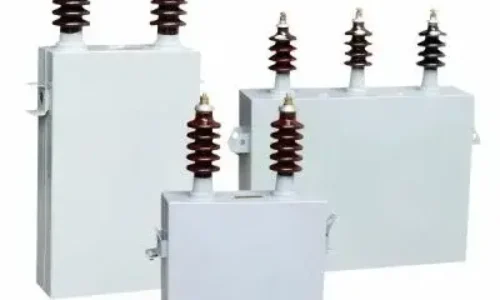
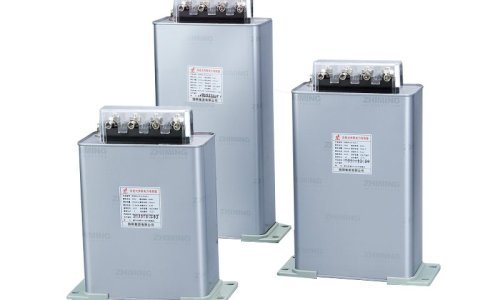
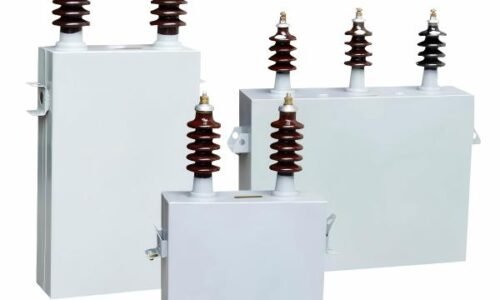
Los sistemas de energía suelen parecer sencillos a simple vista, pero en las instalaciones reales a menudo se comportan de forma un poco diferente a lo esperado. Los motores arrancan y se detienen, las cargas aumentan y disminuyen, y la demanda eléctrica cambia a lo largo del día. En ese tipo de entorno, un regulador del factor de potencia desempeña un papel discreto pero importante. Ayuda a mantener un uso más eficiente de la electricidad, reduce el desperdicio y contribuye a un funcionamiento más fluido de los equipos. Para muchos usuarios comerciales e industriales, este dispositivo es uno de esos componentes prácticos que no reciben mucha atención hasta que comienzan a surgir problemas relacionados con los costos de energía o la calidad de la energía.
Un regulador del factor de potencia está diseñado para supervisar el factor de potencia y controlar automáticamente los bancos de condensadores, de modo que el sistema eléctrico se mantenga lo más cerca posible de un nivel de funcionamiento ideal. En términos sencillos, ayuda a equilibrar la relación entre la potencia activa y la potencia reactiva. Ese equilibrio es más importante de lo que mucha gente cree.
Índice
¿Qué es un regulador del factor de potencia?
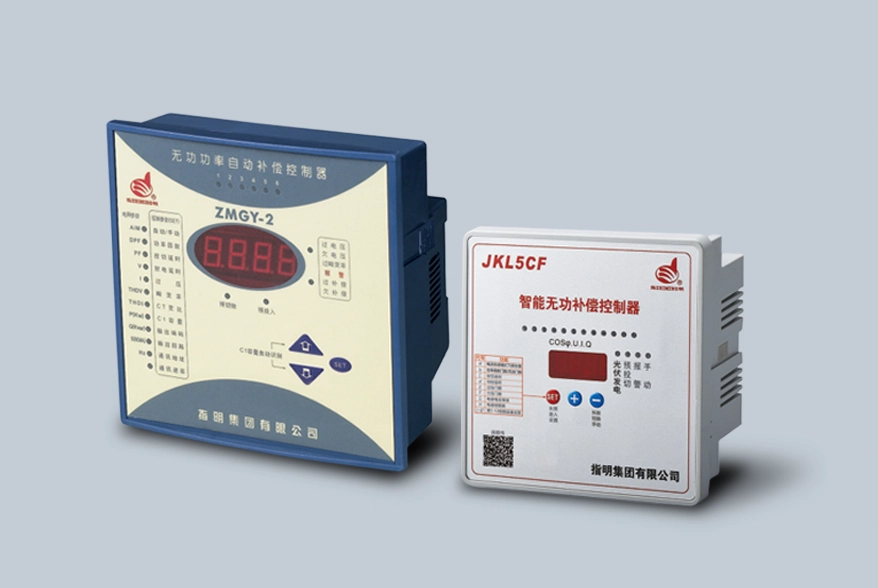
Un regulador del factor de potencia ajusta automáticamente el factor de potencia en los sistemas de compensación. Supervisa en tiempo real la tensión, la intensidad y el ángulo de fase; determina cuándo encender o apagar los bancos de condensadores para mantener unos niveles óptimos de potencia reactiva consumida de la red eléctrica.
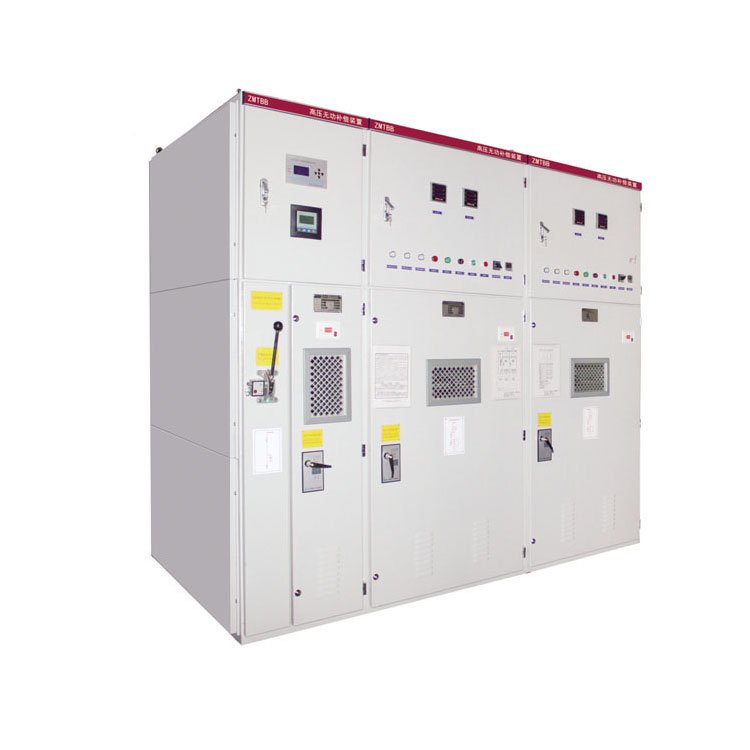
En la mayoría de los casos, un panel de bancos de condensadores incluye un regulador. Cada vez que se produce un cambio en la carga, el regulador añade o retira automáticamente etapas de condensadores para compensar la variación de carga provocada por dicho cambio. Este proceso automático estabiliza el sistema y, por lo general, ofrece una mayor eficiencia operativa que la corrección manual de un cambio en la carga.
El Departamento de Energía de los Estados Unidos ofrece información técnica adicional sobre la relación entre la potencia reactiva y la eficiencia general de los sistemas eléctricos en la sección dedicada a los conceptos básicos del factor de potencia. Esto guarda relación directa con el objetivo de un regulador del factor de potencia, es decir, mejorar la eficiencia general de los sistemas eléctricos al reducir su dependencia del uso de potencia reactiva.
Por qué es necesario regular el factor de potencia
Los sistemas eléctricos suelen consumir energía de manera ineficiente. Algunos dispositivos generan energía reactiva además de la energía activa; los dispositivos inductivos, como los motores, los transformadores, las máquinas de soldadura y otras cargas inductivas, generan una cierta cantidad de energía reactiva. La energía reactiva no realiza ningún tipo de trabajo, pero circula por el sistema eléctrico y aumenta la corriente.
La relación entre la potencia activa y la potencia reactiva
La potencia activa se utiliza para realizar trabajo real (por ejemplo, hacer girar el eje de un motor o encender una bombilla), mientras que la potencia reactiva ayuda a generar el soporte para los campos magnéticos que necesitan algunos equipos. Dado que un exceso de potencia reactiva hace que el factor de potencia caiga por debajo de un nivel aceptable, esto suele indicar que el sistema requiere un aumento de la corriente necesaria para producir la misma cantidad de trabajo.
Ese exceso de corriente puede provocar varios problemas:
Mayores pérdidas de energía en cables y transformadores
Aumento del calor en los componentes eléctricos
Menor capacidad del sistema
Posibles recargos en el servicio público en algunas regiones
Menor estabilidad de tensión con cargas más pesadas
Síntomas comunes de un bajo factor de potencia
En la práctica, un bajo factor de potencia suele manifestarse a través de patrones de funcionamiento más que mediante fallas graves. El sistema puede seguir funcionando, pero lo hace con menor eficiencia. Algunos indicios son:
El aumento de las facturas de electricidad sin un incremento equivalente en la producción
Alimentadores sobrecargados o tableros eléctricos calientes
Problemas frecuentes con los condensadores o los disyuntores
Aprovechamiento insuficiente de la capacidad eléctrica instalada
Aquí es donde un regulador del factor de potencia resulta útil. No resuelve todos los problemas eléctricos, pero sí aborda uno muy importante.
¿Cuál es la función del regulador del factor de potencia?
El objetivo principal de un regulador del factor de potencia es mantener automáticamente el factor de potencia deseado mediante el control de los bancos de condensadores. Esa es su función principal, aunque sus efectos van más allá.
Un regulador ayuda a:
- Reducir la potencia reactiva consumida de la red eléctrica
- Mejorar la eficiencia eléctrica
- Menor intensidad de corriente en los cables y equipos
- Reduzca las pérdidas y el sobrecalentamiento
- Contribuye a una red eléctrica más estable
- Evite las multas relacionadas con un factor de potencia deficiente en algunos sistemas de suministro eléctrico
En muchas instalaciones, esto se traduce en una instalación eléctrica más confiable y económica. No siempre es llamativa, pero sí es práctica y, con el tiempo, suele notarse mucho.
En una visión general del sector elaborada por Schneider Electric también se analiza por qué la corrección del factor de potencia es importante en las instalaciones modernas: principios de la corrección del factor de potencia. Este tipo de orientación concuerda con lo que se observa en los paneles y sistemas de distribución del mundo real.
Cómo funciona un regulador del factor de potencia
El funcionamiento básico es bastante sencillo, aunque la lógica interna puede ser más compleja en los dispositivos modernos.
1. Controla el voltaje y la corriente
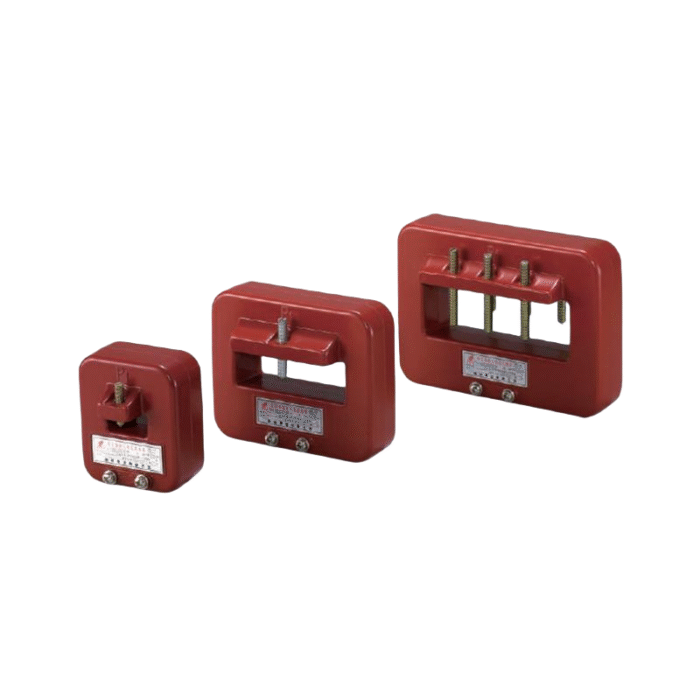
El regulador recibe señales de transformadores de corriente y las entradas de tensión. A partir de estas lecturas, calcula el factor de potencia real del sistema.
2. Compara la lectura con un valor de referencia
Por lo general, en el dispositivo se programa un valor de referencia predeterminado, como 0,95 o 0,98. Cuando el sistema cae por debajo de ese nivel, el regulador determina que es necesaria una compensación.
3. Cambia los niveles de los condensadores
El regulador activa un contactor de condensador o un dispositivo de conmutación para conectar una etapa del banco de condensadores. Esto aporta potencia reactiva al sistema y ayuda a corregir el factor de potencia.
4. Se va ajustando a medida que cambia la carga
Si la carga disminuye posteriormente, el regulador puede desconectar algunos niveles de condensadores para que el sistema no corrija en exceso. Esa respuesta dinámica es una de las mayores ventajas de la regulación automática.
Ventajas de utilizar un regulador del factor de potencia
Los beneficios son prácticos y suelen manifestarse de forma gradual, por lo que al principio pueden pasar fácilmente desapercibidos.
- Mejora del factor de potencia
- Menor demanda de electricidad
- Menor desperdicio de energía
- Mejor compatibilidad con voltajes
- Menos tensión en los transformadores y los cables
- Mejora en el uso de la infraestructura eléctrica
- Ahorros potenciales en las facturas de servicios públicos
Una comparación rápida
| Tipo de sistema | Comportamiento del factor de potencia | Resultado principal |
|---|---|---|
| Sin correcciones | A menudo bajo e inestable | Mayores pérdidas y posibles sanciones |
| Corrección manual | Mejor, pero no siempre responde | Requiere atención frecuente |
| Regulador del factor de potencia | Automático y adaptativo | Eficiencia constante y menos desperdicio |
Esa tabla muestra la diferencia con bastante claridad. El ajuste manual puede funcionar, pero en entornos cambiantes tiende a quedarse rezagado respecto a la demanda. Un regulador del factor de potencia está diseñado para adaptarse a esos cambios.
Donde se suelen utilizar reguladores del factor de potencia
Estos dispositivos son habituales en sistemas en los que las cargas inductivas son frecuentes o considerables.
Aplicaciones típicas
- Plantas de fabricación
- Edificios comerciales
- Sistemas de climatización
- Estaciones de bombeo
- Instalaciones agrícolas
- Centros de datos con infraestructura eléctrica de apoyo
- Energías renovables y paneles de distribución
Cualquier instalación con cargas variables en los motores o fluctuaciones repetidas en la demanda es una opción muy recomendable.
Cómo elegir un regulador de factor de potencia adecuado
No todos los reguladores son iguales, y la elección depende del sistema.
Factores importantes que hay que tener en cuenta
- Número de pasos del condensador
- Velocidad de respuesta
- Precisión de medición
- Compatibilidad con bancos de condensadores
- Capacidad de gestión de armónicos
- Funciones de visualización y diagnóstico
- Entorno de instalación y tamaño del panel
En algunos sistemas, la distorsión armónica también es importante. El IEEE cuenta con material técnico sobre la calidad de la energía y los efectos armónicos que puede resultar útil para un estudio más detallado: recursos del IEEE sobre calidad de la energía. En instalaciones más exigentes, esto se convierte en una consideración real, más que teórica.
Consejos prácticos para una mejor gestión del factor de potencia
Un regulador ayuda, pero el sistema en su conjunto sigue necesitando atención.
- Revise periódicamente los bancos de condensadores
- Revisa los contactores y los fusibles
- Presta atención al sobrecalentamiento de los paneles
- Analizar la evolución de la carga a lo largo del tiempo
- Sustituya las etapas de condensadores defectuosas antes de que el fallo se extienda
- Confirmar la configuración tras la ampliación del sistema
Los pequeños hábitos de mantenimiento suelen marcar una gran diferencia. Un regulador solo puede funcionar correctamente si el resto del sistema de compensación también está en buen estado.
Preguntas frecuentes
¿Un regulador del factor de potencia es lo mismo que un medidor del factor de potencia?
No exactamente. Un medidor solo mide y muestra el factor de potencia, mientras que un regulador lo mide y controla activamente los niveles de los condensadores para corregirlo.
¿Puede un regulador del factor de potencia ayudar a reducir la factura de la luz?
Sí, sobre todo cuando las empresas de servicios públicos cobran por un factor de potencia deficiente o cuando un consumo de corriente ineficiente aumenta las pérdidas del sistema. El ahorro depende de la instalación y de su perfil de carga.
¿Todas las instalaciones necesitan un regulador del factor de potencia?
No todas las instalaciones, pero sí muchas plantas industriales y comerciales se benefician de ella. Cuanto más inductiva es la carga, más útil suele resultar la corrección automática.