En muchos sistemas eléctricos, especialmente en entornos industriales, la mejora del factor de potencia suele considerarse una medida de optimización rutinaria más que un ajuste puntual. Sin embargo, cuando el objetivo pasa a ser corregir el factor de potencia hasta la unidad, el debate suele adquirir un carácter más práctico y concreto.
Un factor de potencia cercano a la unidad significa que la energía eléctrica se utiliza de manera eficiente, con pérdidas reactivas mínimas. En teoría, alcanzar un factor de potencia de 1 implica que toda la potencia suministrada se convierte efectivamente en trabajo útil. Sin embargo, en la práctica, esta condición rara vez se mantiene estable durante largos períodos. Las cargas del sistema varían, los equipos funcionan de manera intermitente y la demanda de potencia reactiva fluctúa a lo largo del día.
Debido a estas variaciones, la corrección del factor de potencia hasta la unidad suele abordarse como un proceso dinámico, en lugar de como un objetivo fijo. En muchas instalaciones, se considera que mantener un factor de potencia estable y elevado —en lugar de la unidad perfecta— es suficiente para lograr mejoras notables en el rendimiento del sistema.
Índice
Comprender el factor de potencia y la unidad
¿Qué es el factor de potencia?
El factor de potencia representa la relación entre la potencia activa y la potencia aparente. Indica la eficiencia con la que se utiliza la energía eléctrica en un sistema.
Una interpretación simplificada:
- Factor de potencia = 1 → máxima eficiencia
- Factor de potencia < 1 → parte de la energía es reactiva
En la práctica, el factor de potencia depende del tipo de cargas conectadas a la red. Las cargas inductivas tienden a reducir el factor de potencia, mientras que los elementos capacitivos pueden mejorarlo.
El significado de la unidad en los sistemas reales
Corregir el factor de potencia para que sea igual a la unidad significa alinear la corriente y la tensión de manera que se minimice la potencia reactiva. Sin embargo, lograr esta condición de forma continua resulta difícil debido a la variabilidad del sistema.
En muchas situaciones de la vida real:
- La demanda de carga varía a lo largo del funcionamiento
- El equipo se enciende y se apaga
- Las necesidades de potencia reactiva varían con el tiempo
Por este motivo, muchos sistemas buscan un factor de potencia cercano a la unidad, normalmente entre 0,95 y 0,99. Este rango suele ser suficiente para obtener la mayor parte de las ventajas en cuanto a eficiencia sin provocar inestabilidad.
Causas de un bajo factor de potencia
Cargas inductivas
La causa más común de un bajo factor de potencia es la presencia de equipos inductivos.
Algunos ejemplos son:
- Motores eléctricos
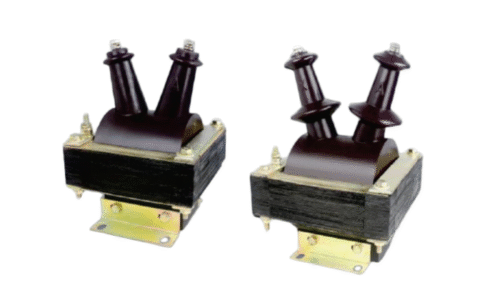
- Transformers
- Maquinaria industrial
Estos dispositivos necesitan potencia reactiva para funcionar, lo que reduce el factor de potencia global del sistema.
Variabilidad de la carga
En muchas instalaciones, las cargas no son constantes.
Entre los casos típicos se incluyen:
- El equipo se enciende y se apaga con frecuencia
- Los procesos de producción a lo largo del tiempo
- Variaciones estacionales u operativas
Esta variabilidad hace que la corrección del factor de potencia en los sistemas industriales sea más compleja que un simple cálculo puntual.
Características del sistema de distribución
En algunos casos, la propia configuración del sistema de distribución eléctrica contribuye a un bajo factor de potencia.
Factores como:
- Tramos de cable largos
- Distribución desigual de la carga
- Infraestructura obsoleta
puede influir en el comportamiento de la potencia reactiva en el sistema.
Métodos para corregir el factor de potencia a la unidad
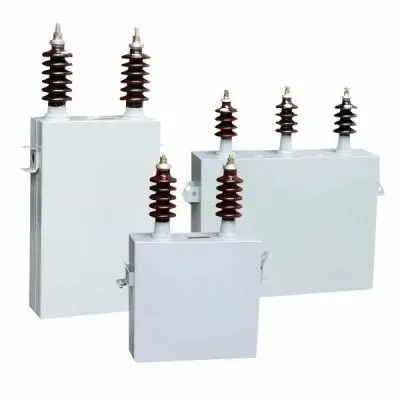
Bancos de condensadores
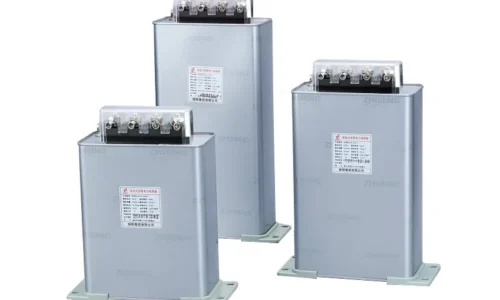
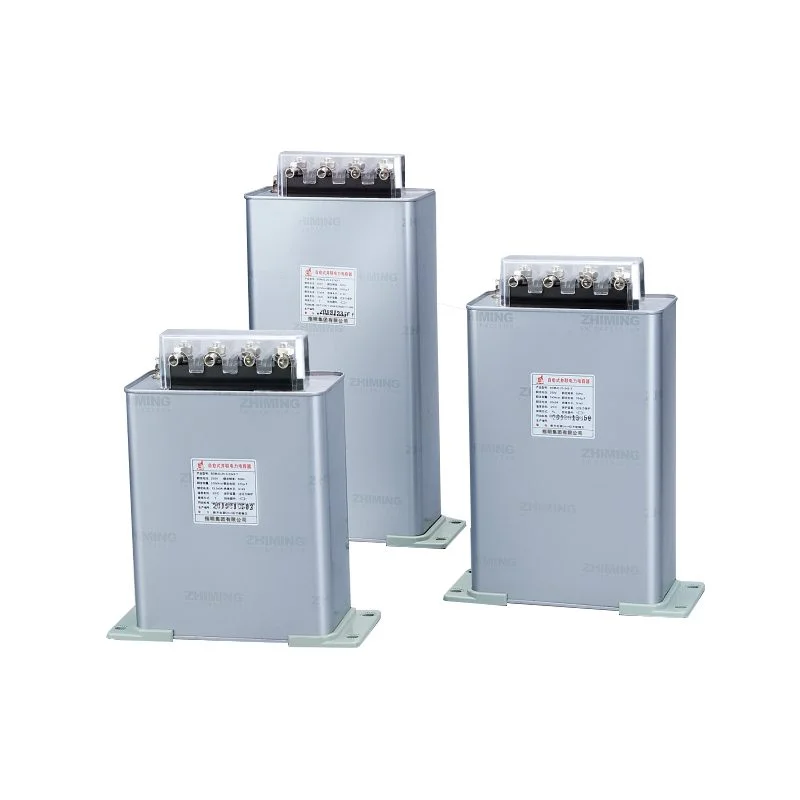
El método más utilizado para mejorar el factor de potencia es la instalación de bancos de condensadores.
Los condensadores suministran potencia reactiva a nivel local, lo que reduce la demanda de potencia reactiva de la fuente. Esto mejora la eficiencia del sistema.
Entre los efectos típicos se incluyen:
- Reducción del flujo de corriente
- Menores pérdidas de energía
- Mejora de las condiciones de tensión
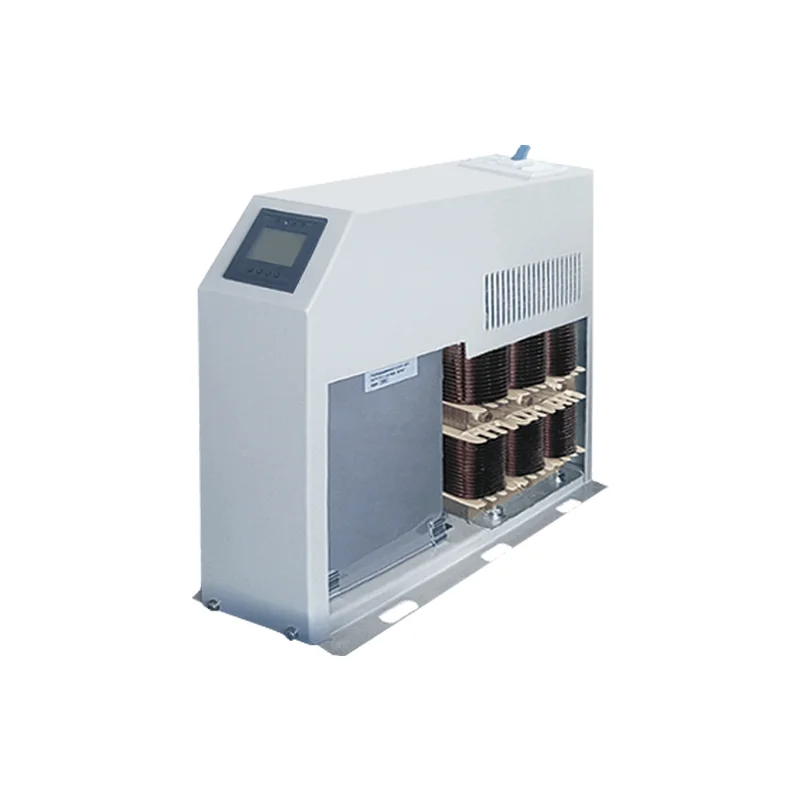
Sistemas automáticos de corrección del factor de potencia
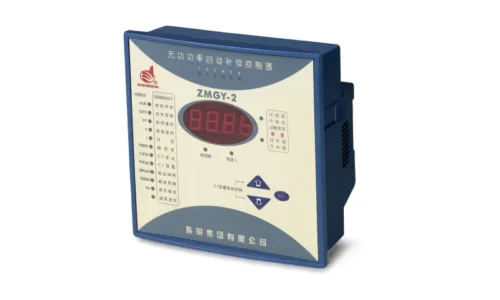
En los sistemas en los que las condiciones de carga cambian con frecuencia, se suelen utilizar sistemas de corrección automática.
Estos sistemas:
- Supervisar continuamente el factor de potencia
- Conmutar automáticamente los bancos de condensadores
- Ajustar los niveles de remuneración en función de la demanda
Esto permite que el sistema mantenga un factor de potencia cercano a la unidad en condiciones variables.
Selección de condensadores adecuados
Se utilizan diferentes tipos de condensadores en función de los requisitos del sistema:
- Condensador de potencia de baja tensión para sistemas de distribución estándar
- Condensador de potencia de alta tensión para redes a gran escala
- HV Condensador de potencia monofásico para aplicaciones específicas
La selección del tipo de condensador adecuado es fundamental para una corrección eficaz del factor de potencia.
Enfoque paso a paso para la corrección
En la práctica, la corrección del factor de potencia hasta la unidad suele implicar varios pasos.
Un proceso típico incluye:
- Medir el factor de potencia actual
- Analizar la demanda de potencia reactiva
- Calcular la capacidad de compensación necesaria
- Seleccionar el equipo de condensadores adecuado
- Instalar y supervisar el rendimiento del sistema
Este proceso puede adaptarse en función de la complejidad del sistema y los requisitos operativos.
Ventajas de mejorar el factor de potencia
Reducción de las pérdidas de energía
La mejora del factor de potencia reduce el flujo de corriente en el sistema, lo que disminuye las pérdidas en los cables y los transformadores.
Mayor estabilidad de tensión
Un factor de potencia más alto ayuda a mantener niveles de tensión más estables, especialmente en sistemas con cargas variables.
Mejor aprovechamiento de los equipos
Con factor de potencia mejorado:
- Los equipos funcionan con mayor eficiencia
- La capacidad del sistema se aprovecha mejor
- Se reduce el riesgo de sobrecalentamiento
Comparación de rendimiento
| Condición | Bajo factor de potencia | Factor de potencia cercano a la unidad |
|---|---|---|
| Flujo de corriente | Más alto | Abajo |
| Pérdida de energía | Aumento | Rebajado |
| Estabilidad de tensión | Menos estable | Más estable |
| Eficiencia | Abajo | Más alto |
Dificultades para alcanzar un factor de potencia unitario
Sobrecompensación
En algunos casos, una corrección excesiva puede dar lugar a un factor de potencia adelantado, lo que puede afectar la estabilidad de la tensión.
Condiciones de carga dinámica
Los cambios frecuentes en la demanda de carga dificultan el mantenimiento de un factor de potencia constante.
Limitaciones del sistema
La infraestructura existente puede limitar la precisión con la que se puede controlar el factor de potencia.
Observaciones prácticas adicionales
En instalaciones reales, la corrección del factor de potencia hasta la unidad rara vez es una transformación inmediata. Al principio, el comportamiento del sistema puede parecer inalterado, sobre todo si el factor de potencia anterior no era extremadamente bajo.
Con el tiempo, sin embargo, se observan ciertas mejoras. Las pérdidas de energía tienden a disminuir ligeramente, las fluctuaciones de tensión se vuelven menos pronunciadas y los equipos funcionan de manera más estable. Estos cambios suelen ser graduales y es posible que no se atribuyan de inmediato a la corrección del factor de potencia.
En sistemas con variaciones frecuentes de la carga, mantener el factor de potencia cerca de la unidad requiere un ajuste continuo. Los sistemas automáticos ayudan a gestionar este proceso, pero, aun así, no siempre se logra mantener la unidad perfecta. En su lugar, la estabilidad y la consistencia se convierten en los objetivos principales.
Conclusión
Corregir el factor de potencia hasta la unidad es un objetivo importante para mejorar la eficiencia del sistema eléctrico, aunque mantenerlo constantemente en la unidad perfecta no siempre sea factible.
Mediante el uso de bancos de condensadores y sistemas de corrección automática, es posible mejorar el factor de potencia, reducir las pérdidas y optimizar el rendimiento del sistema. Con el tiempo, estas mejoras contribuyen a un funcionamiento más estable y a un mejor aprovechamiento de la infraestructura eléctrica.
Preguntas frecuentes
¿Puede la corrección del factor de potencia reducir la carga del transformador?
Sí, mejorar el factor de potencia reduce la corriente, lo que disminuye la carga sobre los transformadores.
¿Es necesaria la corrección automática en todos los sistemas?
No siempre, pero se recomienda para sistemas con cambios frecuentes de carga.
¿Puede la corrección del factor de potencia mejorar la regulación de la tensión?
Sí, un mejor factor de potencia ayuda a mantener niveles de voltaje más estables.