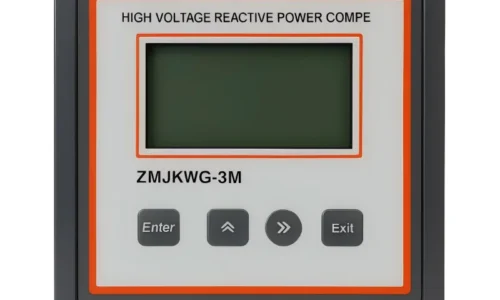
A power factor regulator is a practical device that quietly improves how electrical systems use power. In facilities with motors, transformers, pumps, or HVAC loads, the power factor often drops because current and voltage do not stay perfectly aligned. This can lead to extra losses, higher electricity bills, and unnecessary stress on equipment. Reaktif Güç Kompanzasyon Kontrolörü is often used in these systems to monitor conditions in real time and switch capacitor steps automatically, helping keep the power factor close to the desired level.
electricity costs, and unnecessary strain on equipment. A power factor regulator helps solve that by monitoring the system and automatically switching capacitor steps to keep the power factor closer to the target level.
İçindekiler
What is a power factor regulator?
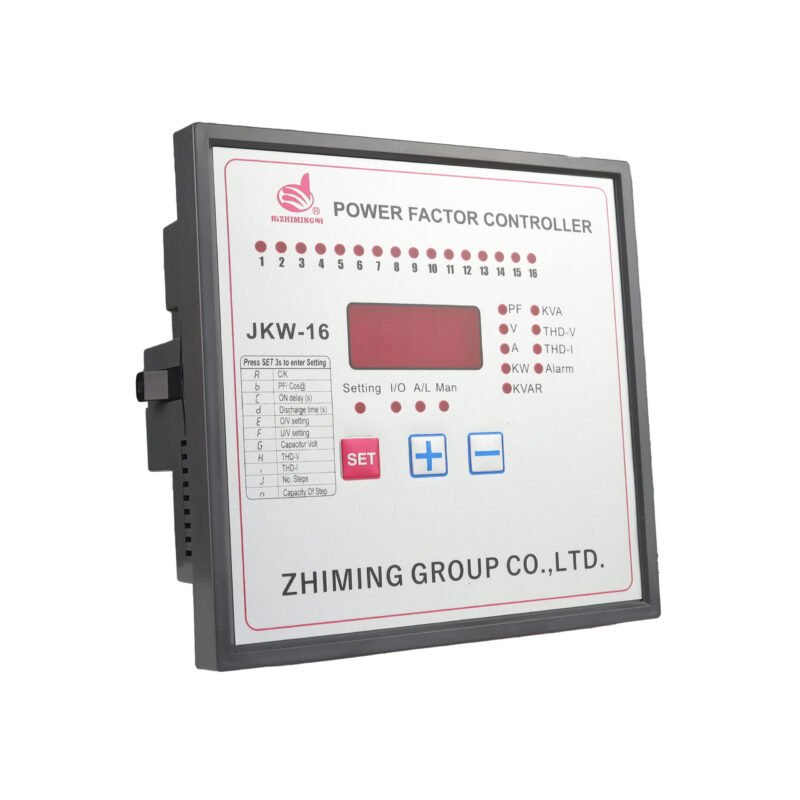
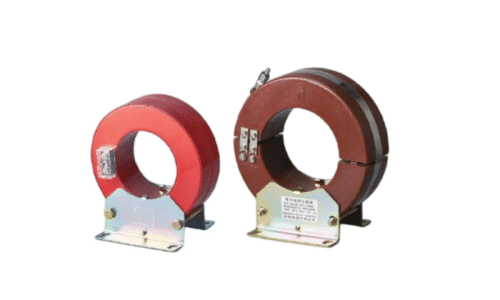
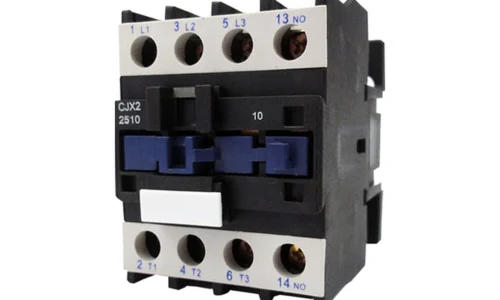
A power factor regulator is an automatic controller used in capacitor bank systems. Its main job is to detect the electrical load condition and decide when to connect or disconnect capacitor stages. In many installations, it works together with a current transformer, voltage sensing input, contactors, and capacitor banks. The result is a more balanced electrical system, especially where loads change frequently during the day.
This is why it is commonly found in industrial plants, large commercial buildings, and facilities that run heavy inductive equipment.
Güç faktörü regülatörü nasıl çalışır?
The working principle is straightforward once broken into steps. The regulator continuously checks the electrical system, compares the measured values with the desired power factor, and then makes switching decisions.
1. Measuring voltage and current
The regulator receives current and voltage signals from the installation. A current transformer usually measures the current, while a voltage input gives the controller a reference point. With these signals, the controller can calculate the actual power factor and see whether correction is needed.
2. Detecting reactive power demand
When inductive loads are running, such as motors or transformers, the system draws reactive power. Reactive power does not directly perform useful work, but it still occupies capacity in the electrical network. When too much reactive power is present, the power factor becomes lower. Over time, that can make the system less efficient and can also affect utility billing in some regions.
3. Switching capacitor banks automatically
This is the main task of the regulator. Once it detects that the power factor is below the preset target, it sends a command to switch on one or more capacitor steps. Capacitors provide reactive power locally, so the system does not need to pull as much from the supply.
That switching process can be summarized like this:
- The load increases.
- The power factor drops.
- The regulator detects the change.
- A capacitor step is connected.
- The power factor improves.
- If load demand falls, the regulator disconnects some steps.
This constant adjustment keeps the system from staying undercorrected or overcorrected for too long.
4. Responding to changing load conditions
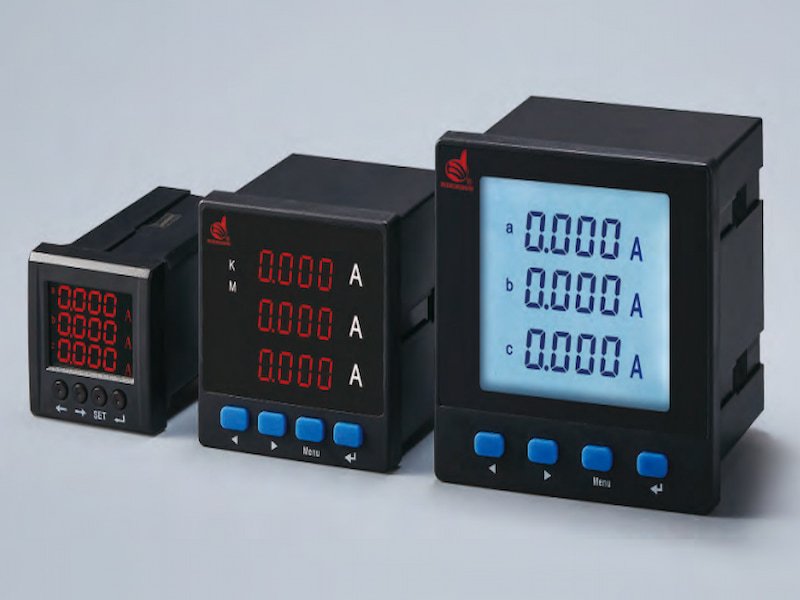
Electrical demand is rarely stable. A production line might start several motors at once, then run at a lighter load later. An office building may have a very different demand pattern at night compared with daytime. The regulator adapts to these changes automatically, which is one reason it is preferred over manual switching in many real-world setups.
In product terms, the automation logic is often handled by devices such as a Reactive Power Compensation Controller, which is designed to manage capacitor banks in a controlled and responsive way. For three-phase compensation systems, a Üç Fazlı Kondansatör Kontrol Cihazı is also commonly used and is suitable for stable automatic correction in industrial applications.
Main components of a power factor regulator system
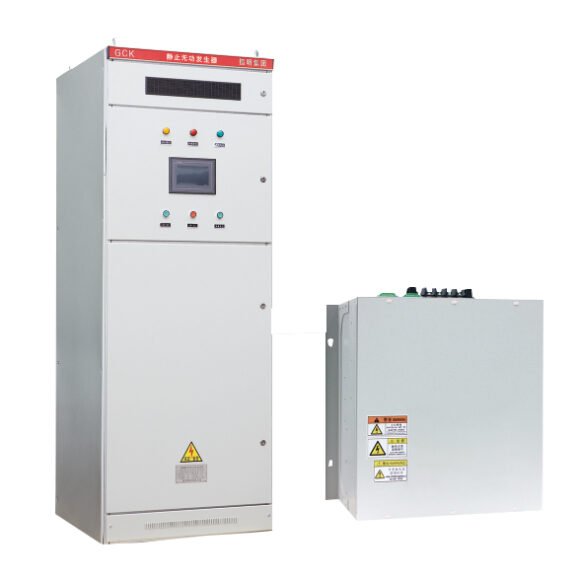
A complete power factor regulator setup usually includes several parts working together:
- Controller unit: the brain of the system
- Current transformer: measures current
- Voltage sensing line: provides voltage reference
- Relay outputs: send switching commands
- Contactors or switching devices: connect capacitor steps
- Capacitor bank: supplies reactive power
Some systems also include alarms, digital displays, and communication functions for easier monitoring.
Benefits of using a power factor regulator
A power factor regulator brings several practical benefits, especially in plants with fluctuating loads.
- Improves electrical efficiency
- Reduces reactive power flow
- Helps lower line losses
- Supports voltage stability
- May reduce utility penalties
- Lowers strain on cables and transformers
- Can extend equipment life in some installations
These benefits may not always look dramatic in a single moment, but over time they often make a noticeable difference in system performance.
Power factor regulator vs manual capacitor switching
Manual capacitor switching can still work in simple systems, but it depends heavily on human attention and timing. A power factor regulator, on the other hand, reacts automatically and much faster.
| Özellik | Power factor regulator | Manual capacitor switching |
|---|---|---|
| Operation | Otomatik | El Kitabı |
| Response speed | Fast | Slower |
| Doğruluk | Daha yüksek | Depends on operator |
| Best use | Değişken yükler | Stable, simple loads |
| Maintenance need | Orta düzeyde | Can be less predictable |
In actual facilities, automatic control usually fits better because loads often change without warning. That is especially true in industrial sites.
Common applications of power factor regulators
A power factor regulator is widely used in places where inductive loads are common:
- Factories and production lines
- Commercial office buildings
- Shopping centers
- Pump stations
- HVAC systems
- Warehouses and logistics centers
- Workshops with large motors
Whenever the load pattern changes often, automatic power factor correction becomes more valuable.
Factors that affect performance
The performance of a regulator depends on more than the controller itself. A few practical factors matter:
- Correct capacitor sizing
- Accurate CT installation
- Proper step arrangement
- Good wiring and contactor quality
- Stable maintenance routines
- Suitable voltage and current ratings
If the system is not designed properly, the regulator may switch too often, undercorrect, or overcorrect. That can reduce the value of the setup.
Tips for choosing the right power factor regulator
When selecting a power factor regulator, a few points are worth checking:
- Number of output steps
- Rated system voltage
- Compatibility with capacitor banks
- Protection and alarm functions
- Display or monitoring features
- Ease of installation
- Working environment requirements
A controller that matches the load profile usually performs more smoothly than one that is oversized or undersized.
Sonuç
A power factor regulator works by monitoring voltage and current, detecting reactive power demand, and automatically switching capacitor banks to keep the electrical system efficient. It is a simple idea with a strong practical effect. In systems where loads change often, this kind of automation can reduce waste, improve stability, and support better overall equipment performance. For many facilities, it is one of those components that stays quietly in the background but makes the whole system run better.If you want to know more about the purpose of the power factor regulator, please read what is the purpose of the power factor regulator?
SSS
Can a power factor regulator work without capacitor banks?
Not really. The regulator is the control device, but it needs capacitor banks or another compensation device to make actual correction happen.
Why does the regulator sometimes switch capacitor steps frequently?
Frequent switching can happen when the load is unstable, the settings are not well matched, or the system is not tuned correctly. In some cases, it is a sign that the capacitor stages need adjustment.
Is a power factor regulator useful in small facilities?
Yes, but the benefit depends on the type of load. Small sites with mostly resistive loads may not need it, while small workshops with motors or compressors often still gain from correction.