Pergunte a dez engenheiros como selecionam um Transformador de corrente, e poderás obter dez respostas diferentes. Alguns centram-se no rácio. Outros preocupam-se mais com a classe de precisão. Alguns poderão mencionar a carga. A verdade é que todos eles são importantes, mas qual deles é mais importante depende da aplicação.
Passe por qualquer subestação e verá Transformadores de Corrente que estão lá há décadas, ainda a funcionar bem. Também verá Transformadores de Corrente que falharam após alguns anos, ou pior, Transformadores de Corrente que foram instalados mas nunca funcionaram desde o início. A diferença resume-se normalmente à seleção.
Não se trata de memorizar números de catálogo. Trata-se de compreender o que o transformador de corrente precisa de fazer e escolher um que o possa realmente fazer.
Índice
Compreender primeiro a aplicação do seu transformador de corrente
Antes de olhar para qualquer folha de dados, faça uma pergunta: para que serve este transformador de corrente? A resposta muda tudo.
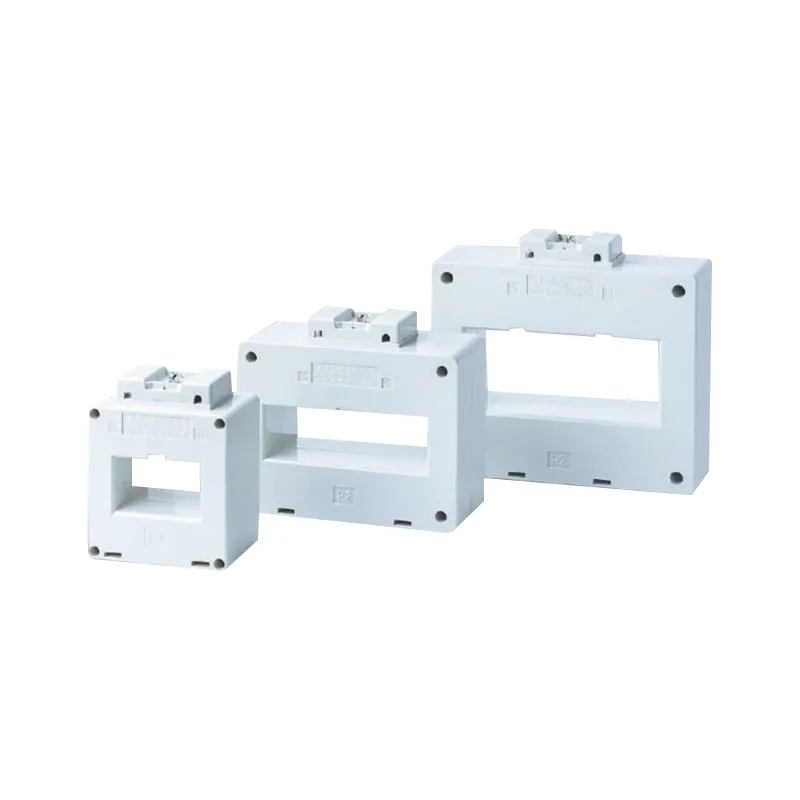
Aplicações de medição para transformadores de corrente
Para a medição de receitas, a exatidão é tudo. A Transformador de corrente trifásico utilizados para a faturação devem manter a precisão em toda a gama de carga normal. Os pequenos erros acumulam-se ao longo do tempo. Um erro de 0,5% pode não parecer muito, mas numa grande conta industrial, significa milhares de dólares por ano.
Os transformadores de corrente de medição necessitam normalmente de
- Classe de precisão elevada (0,2 ou 0,5)
- Requisitos de carga reduzida
- Boa linearidade de 5% a 120% de corrente nominal
Não precisam de ter um bom desempenho em condições de falha. Quando ocorre uma avaria, o medidor só precisa de sobreviver, não de medir com exatidão.
Aplicações de proteção para transformadores de corrente
A proteção é um jogo diferente. Um transformador de corrente em série da rede estadual para relés deve reproduzir fielmente as correntes de falta, mesmo quando essas correntes são dez ou vinte vezes maiores que a nominal. A precisão em carga normal é menos importante. A precisão sob condições de falha é mais importante.
Os transformadores de corrente de proteção precisam:
- Classe adequada (classes 5P, 10P ou TP para aplicações especiais)
- Tensão de saturação elevada
- Capacidade suficiente para conduzir os encargos de retransmissão
O pior modo de falha: um transformador de corrente que satura durante uma falha, de modo que o relé nunca vê a sobrecorrente. O disjuntor permanece fechado. O equipamento queima.
Aplicações especiais de transformadores de corrente
Algumas aplicações necessitam de transformadores de corrente especializados. Por exemplo, a deteção de falhas à terra. A Transformador de corrente de sequência zero encaixa-se em todas as três fases e mede o desequilíbrio. Para que isto funcione, o transformador de corrente precisa de sensibilidade. As correntes de defeito à terra são frequentemente pequenas, por vezes apenas alguns amperes.
A proteção diferencial necessita de transformadores de corrente correspondentes em ambos os lados da zona protegida. Os rácios têm de corresponder. As caraterísticas de saturação devem coincidir. Caso contrário, o relé vê corrente de diferença quando não há falha.
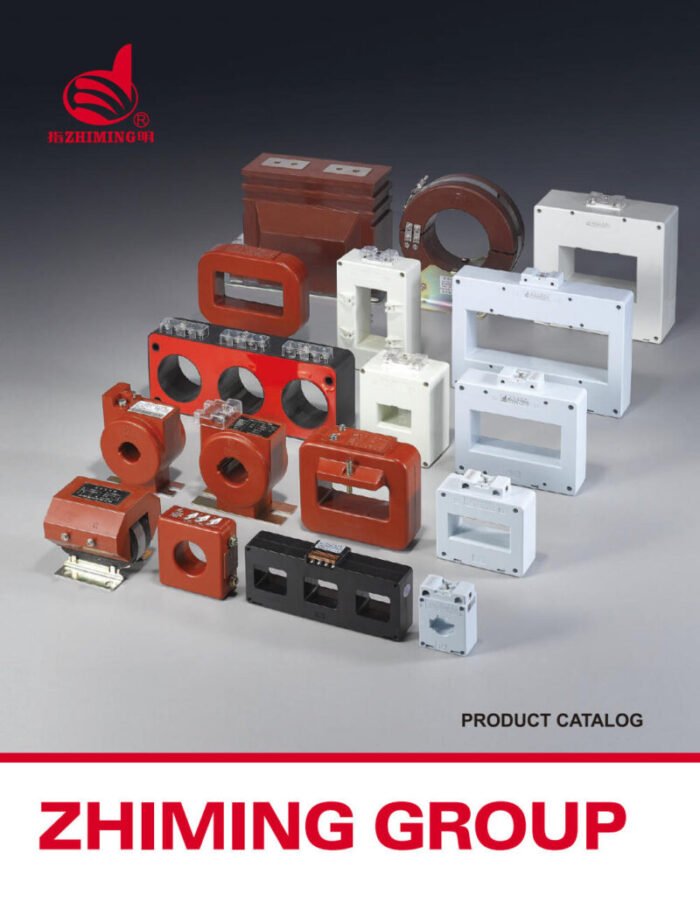
Parâmetros-chave a verificar nos transformadores de corrente
Depois de conhecer a aplicação, olhe para os números. Todas as folhas de dados dos transformadores de corrente apresentam determinados parâmetros. Aqui está o que eles realmente significam.
Rácio
Para qualquer transformador de corrente, o rácio indica a relação entre a corrente primária e secundária. Um transformador de corrente 1000:5 produz 5A no secundário quando 1000A flui no primário.
Parece simples. Mas pense:
- A corrente primária ultrapassará alguma vez a corrente nominal? Em quanto?
- A corrente secundária é de 5A ou 1A? Os secundários de 1A permitem cabos mais compridos.
- Para proteção, o rácio funciona tanto em condições de carga normal como de falha?
Fardo
A carga é a carga ligada ao secundário. Fios, medidores, relés - todos adicionam impedância. Se a carga real exceder a classificação do transformador de corrente, a precisão é afetada. O transformador de corrente pode saturar mais cedo do que o esperado.
Verifique a carga ligada antes de finalizar a seleção. Os cabos compridos acrescentam mais carga do que se pensa. Uma extensão de 100 metros de fio de 2,5 mm² adiciona cerca de 0,8 ohms por condutor. Para um secundário de 5A, isto representa 4VA apenas na cablagem. Ignorar este facto é um erro comum quando se especifica um transformador de corrente.
Classe de precisão
A precisão de medição é indicada como uma classe como 0,2 ou 0,5. O número é a percentagem máxima de erro à corrente nominal.
As classes de proteção são diferentes: 5P10 significa precisão 5% a 10 vezes a corrente nominal. O “P” significa proteção. O número a seguir ao P é o fator limite de precisão.
Guia de seleção de transformadores de corrente por aplicação
A tabela abaixo resume o que se deve procurar ao selecionar um transformador de corrente para diferentes aplicações.
| Aplicação | Prioridade 1 | Prioridade 2 | Armadilha comum |
|---|---|---|---|
| Medição de receitas | Elevada precisão (0,2/0,5) | Pouca carga | Utilização de TCs de proteção para medição |
| Proteção de fase | Fator limite de elevada precisão | Encargos adequados | Saturação do TC em caso de avaria |
| Falha de terra | Sensibilidade | Baixo rácio | Insensível a pequenas correntes |
| Diferencial | Caraterísticas correspondentes | Elevada precisão | CTs incompatíveis nos dois lados |
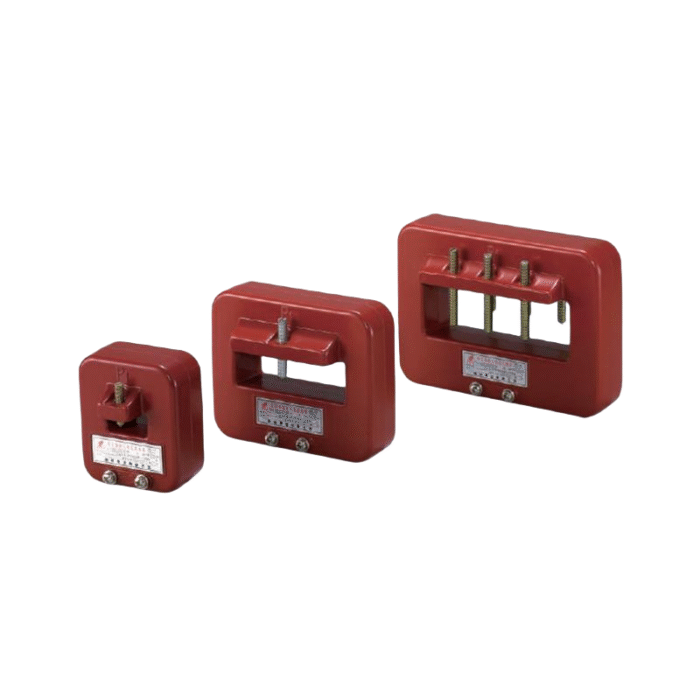
Considerações físicas para a instalação do transformador de corrente
Os números não são tudo. A instalação física também é importante.
Tamanho e montagem
Ao selecionar um transformador de corrente, o ajuste físico é importante. Os transformadores de corrente caberão no espaço disponível? Os Transformadores de Corrente do tipo janela necessitam de abertura suficiente para o barramento ou cabo. Os transformadores de corrente do tipo barra precisam de espaço livre para as ligações primárias.
Algumas readaptações requerem transformadores de corrente de núcleo dividido que podem ser instalados sem desligar os condutores primários. São menos precisos do que os de núcleo sólido, mas por vezes são a única opção.
Nível de isolamento
A tensão do sistema determina os requisitos de isolamento. Um transformador de corrente classificado para 0,6kV não durará muito tempo num sistema de 11kV. Verifique a classe de isolamento e a tensão de resistência à frequência de potência nominal.
Erros comuns na seleção de transformadores de corrente
Após anos a trabalhar em sistemas eléctricos, surgem padrões na seleção do transformador de corrente. Aqui estão os erros que as pessoas cometem com mais frequência do que deveriam.
Classe de precisão incorrecta
Utilização de um transformador de corrente de proteção para medição. O serviço público rejeita a instalação porque os erros excedem os limites permitidos. Ou pior, usando um transformador de corrente de medição para proteção. Ele satura durante uma falha, o relé nunca dispara e o equipamento é danificado.

Ignorar o fardo
Selecionar um transformador de corrente classificado para 10VA e, em seguida, ligar 15VA de carga. O transformador de corrente continua a funcionar, mas a precisão está fora das especificações. Para proteção, o transformador de corrente pode saturar precocemente.
Rácios desajustados
Em esquemas diferenciais, os rácios do transformador de corrente em ambos os lados devem corresponder ao rácio do transformador de potência. Pequenos desajustes podem ser eliminados com o ajuste do relé. Grandes desajustes causam disparos incómodos.
Conclusão
A seleção de um transformador de corrente não é complicada, mas requer atenção aos detalhes. O transformador de corrente certo para uma aplicação é o transformador de corrente errado para outra. Compreender as suas necessidades específicas é o primeiro passo.
Comece pela aplicação. Saiba o que o transformador de corrente precisa de fazer. Em seguida, verifique os parâmetros - relação, carga, classe de precisão. Considere a instalação física. Evite os erros comuns.
Faça isso e o transformador de corrente provavelmente durará mais do que todo o resto do painel. Ignore os pormenores e os problemas acabarão por surgir.
Para os engenheiros que lidam com estas decisões regularmente, o desenvolvimento de uma abordagem sistemática poupa tempo e evita dores de cabeça. Os poucos minutos gastos a verificar os números antecipadamente não são nada comparados com o custo de um transformador de corrente mal aplicado.
FAQ
Posso utilizar o mesmo transformador de corrente para medição e proteção?
Depende do design do transformador de corrente. Alguns transformadores de corrente têm dois núcleos - um para medição e outro para proteção - numa única caixa. Um transformador de corrente de núcleo único optimizado para medição irá provavelmente saturar em condições de falha e não servirá bem a proteção. Verifique a placa de identificação antes de ligar ambas as funções ao mesmo núcleo.
O que acontece se a carga ligada exceder a classificação do transformador de corrente?
A exatidão diminui. O transformador de corrente pode saturar com correntes mais baixas do que o esperado. Para medição, os erros aumentam. Para proteção, o transformador de corrente pode não reproduzir as correntes de defeito com precisão suficiente para que os relés funcionem corretamente.
Como posso saber se um transformador de corrente é adequado para a deteção de defeitos à terra?
A deteção de defeitos à terra requer sensibilidade a pequenas correntes de desequilíbrio. Procure transformadores de corrente especificamente concebidos para aplicações de sequência zero, com rácio adequado e baixa corrente de excitação. Um transformador de corrente de fase standard não tem normalmente a sensibilidade necessária para a deteção de defeitos à terra.