Sistem daya cenderung terlihat sederhana dari kejauhan, tetapi di fasilitas nyata, sistem ini sering berperilaku sedikit berbeda dari yang diharapkan. Motor hidup dan mati, beban naik dan turun, dan kebutuhan listrik berubah sepanjang hari. Dalam lingkungan seperti itu, pengatur faktor daya memainkan peran yang tenang namun penting. Regulator ini membantu menjaga penggunaan listrik tetap efisien, mengurangi limbah, dan mendukung pengoperasian peralatan yang lebih lancar. Bagi banyak pengguna komersial dan industri, perangkat ini adalah salah satu bagian praktis yang tidak mendapat banyak perhatian hingga biaya energi atau masalah kualitas daya mulai muncul.
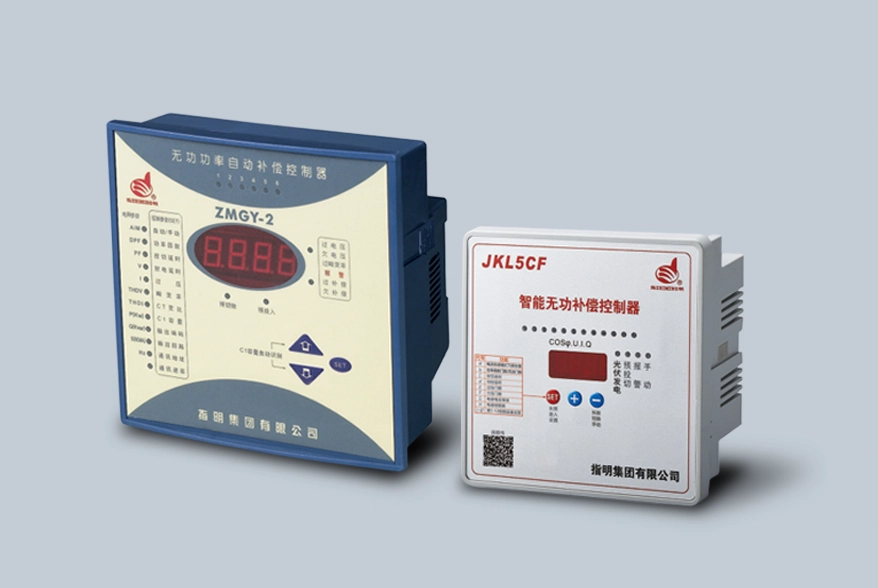
Pengatur faktor daya dirancang untuk memantau faktor daya dan secara otomatis mengontrol bank kapasitor sehingga sistem kelistrikan tetap mendekati tingkat operasi yang ideal. Secara sederhana, alat ini membantu menyeimbangkan hubungan antara daya nyata dan daya reaktif. Keseimbangan tersebut lebih penting daripada yang disadari oleh banyak orang.
Daftar Isi
Apa yang dimaksud dengan pengatur faktor daya?
Pengatur faktor daya secara otomatis menyesuaikan faktor daya dalam sistem kompensasi. Regulator ini memonitor tegangan, ampere, dan sudut fasa secara real-time; regulator ini menentukan kapan harus menyalakan atau mematikan bank kapasitor untuk mempertahankan tingkat optimal daya reaktif yang diambil dari suplai.
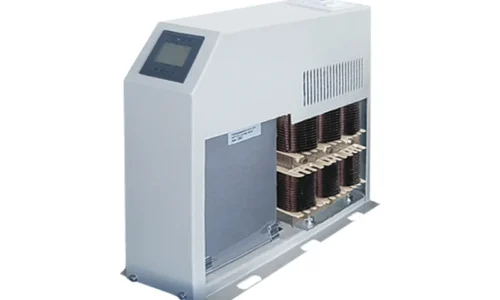
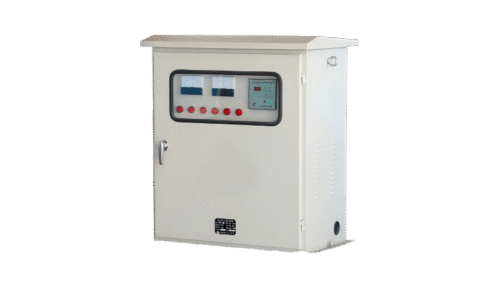
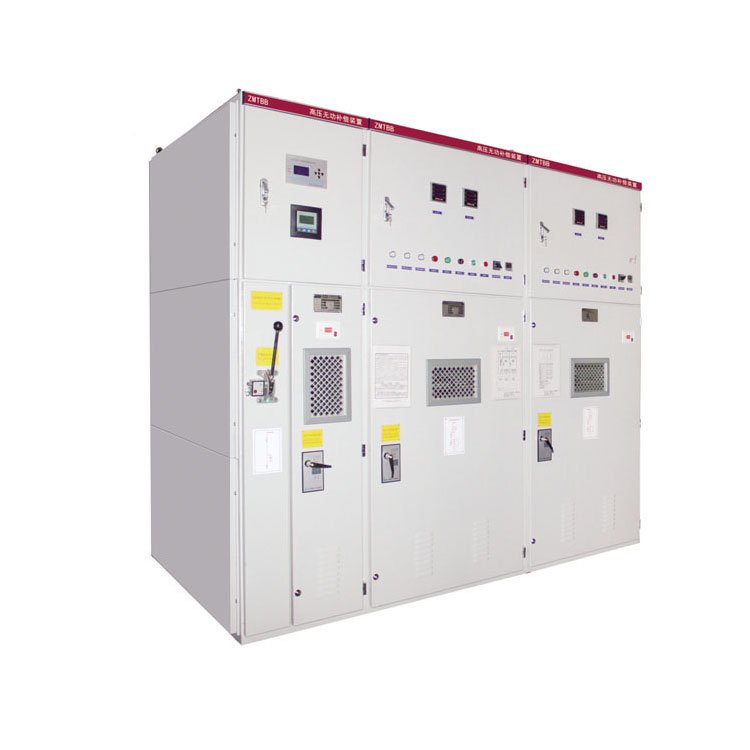
Sebagian besar, panel bank kapasitor akan berisi regulator. Setiap kali ada perubahan beban, regulator secara otomatis menambah atau mengurangi langkah kapasitor untuk menyeimbangkan beban yang disebabkan oleh perubahan beban. Proses otomatis ini menstabilkan sistem dan umumnya memberikan efisiensi operasional yang lebih besar daripada mengoreksi perubahan beban secara manual.
Departemen Energi A.S. memberikan informasi teknis tambahan tentang hubungan antara daya reaktif dan efisiensi keseluruhan sistem kelistrikan di bagian konsep dasar faktor daya. Hal ini berkaitan langsung dengan tujuan pengatur faktor daya; yaitu untuk meningkatkan efisiensi keseluruhan sistem listrik dengan mengurangi ketergantungan pada penggunaan daya reaktif.
Mengapa faktor daya perlu diatur
Sistem kelistrikan sering kali mengkonsumsi daya dengan cara yang tidak efisien. Perangkat tertentu menghasilkan energi reaktif selain efisiensi; perangkat induktif menghasilkan sejumlah energi reaktif seperti motor, transformator, mesin las, dan beban induktif lainnya. Energi reaktif tidak melakukan jenis pekerjaan apa pun, tetapi bersirkulasi melalui sistem kelistrikan dan meningkatkan arus.
Hubungan antara daya aktif dan daya reaktif
Daya aktif digunakan untuk melakukan kerja nyata (misalnya, memutar poros motor dan menyalakan bola lampu), sedangkan daya reaktif membantu menghasilkan dukungan medan magnet yang dibutuhkan oleh beberapa peralatan. Karena terlalu banyak daya reaktif akan menyebabkan faktor daya turun di bawah tingkat yang dapat diterima, hal ini biasanya mengindikasikan bahwa sistem memerlukan peningkatan arus yang diperlukan untuk menghasilkan jumlah kerja yang sama.
Arus ekstra tersebut dapat menimbulkan beberapa masalah:
Kehilangan energi yang lebih tinggi pada kabel dan transformator
Lebih banyak panas pada komponen listrik
Kapasitas sistem yang lebih rendah
Kemungkinan penalti utilitas di beberapa wilayah
Stabilitas tegangan yang berkurang selama beban yang lebih berat
Tanda-tanda umum faktor daya rendah
Pada praktiknya, faktor daya rendah sering kali muncul melalui pola operasional daripada kegagalan yang dramatis. Sistem mungkin masih dapat berjalan, namun kurang efisien. Beberapa tanda termasuk:
Tagihan listrik yang meningkat tanpa diimbangi dengan peningkatan output
Pengumpan yang kelebihan beban atau panel listrik yang hangat
Masalah kapasitor atau pemutus yang sering terjadi
Pemanfaatan kapasitas listrik terpasang yang buruk
Di sinilah pengatur faktor daya menjadi berguna. Regulator ini tidak memperbaiki semua masalah kelistrikan, tetapi dapat mengatasi satu masalah yang sangat penting.
Apa tujuan dari pengatur faktor daya?
Tujuan utama regulator faktor daya adalah untuk secara otomatis mempertahankan faktor daya target dengan mengendalikan bank kapasitor. Itu adalah pekerjaan inti, meskipun efeknya lebih jauh lagi.
Regulator membantu:
- Mengurangi daya reaktif yang diambil dari suplai
- Meningkatkan efisiensi listrik
- Arus yang lebih rendah pada kabel dan peralatan
- Mengurangi kerugian dan panas berlebih
- Mendukung jaringan listrik yang lebih stabil
- Menghindari biaya penalti yang terkait dengan faktor daya yang buruk di beberapa sistem utilitas
Di banyak fasilitas, hal ini menghasilkan pengaturan listrik yang lebih andal dan hemat biaya. Hal ini tidak selalu mencolok, tetapi praktis, dan sering kali sangat terlihat dari waktu ke waktu.
Tinjauan industri dari Schneider Electric juga membahas mengapa koreksi faktor daya penting dalam fasilitas modern: prinsip-prinsip koreksi faktor daya. Panduan tersebut sejalan dengan apa yang terlihat di panel dan sistem distribusi dunia nyata.
Cara kerja regulator faktor daya
Pengoperasian dasarnya cukup mudah, meskipun logika internal bisa lebih maju dalam unit modern.
1. Memantau tegangan dan arus
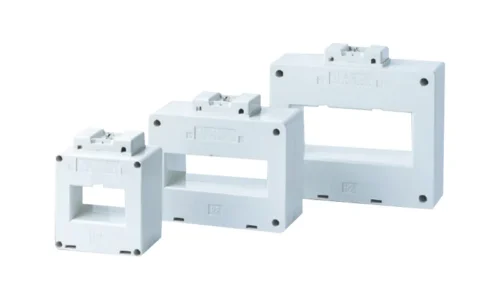
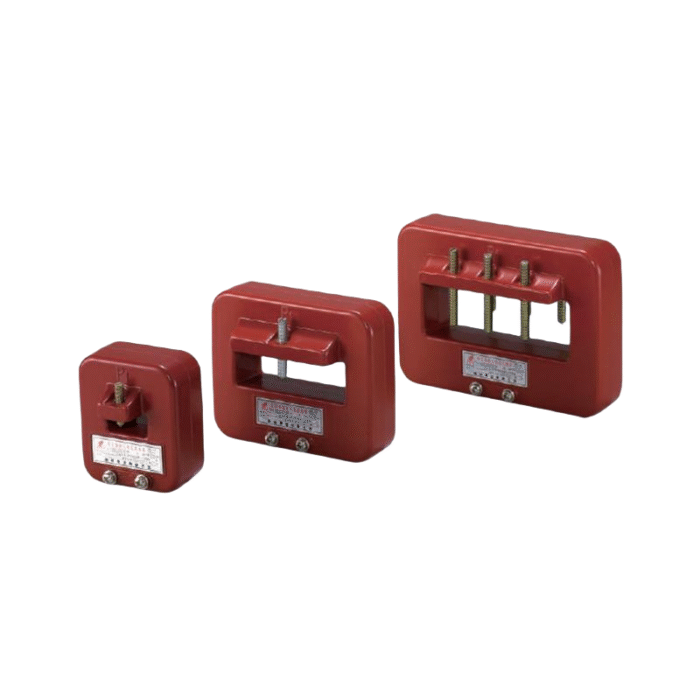
Regulator menerima sinyal dari transformator arus dan input tegangan. Berdasarkan pembacaan ini, alat ini menghitung faktor daya aktual sistem.
2. Ini membandingkan pembacaan dengan nilai target
Target yang telah ditetapkan biasanya diprogram ke dalam perangkat, seperti 0,95 atau 0,98. Ketika sistem turun di bawah level tersebut, pengatur memutuskan bahwa kompensasi diperlukan.
3. Ini mengalihkan langkah kapasitor
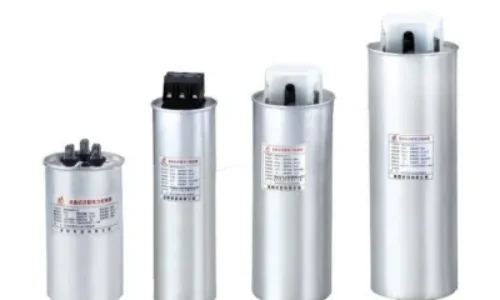
Regulator memberi energi pada kontaktor kapasitor atau perangkat pengalih untuk menghubungkan tahap bank kapasitor. Hal ini akan menambah dukungan daya reaktif ke sistem dan membantu memperbaiki faktor daya.
4. Ini terus menyesuaikan saat beban berubah
Jika beban turun kemudian, pengatur dapat memutus beberapa langkah kapasitor sehingga sistem tidak mengalami koreksi yang berlebihan. Respons dinamis tersebut adalah salah satu keuntungan terbesar dari pengaturan otomatis.
Manfaat menggunakan pengatur faktor daya
Manfaatnya praktis dan biasanya muncul secara bertahap, sehingga mudah diabaikan pada awalnya.
- Faktor daya yang lebih baik
- Permintaan yang lebih rendah saat ini
- Mengurangi pemborosan energi
- Dukungan voltase yang lebih baik
- Tekanan yang lebih sedikit pada trafo dan kabel
- Peningkatan penggunaan infrastruktur listrik
- Potensi penghematan biaya utilitas
Perbandingan singkat
| Jenis Sistem | Perilaku Faktor Daya | Hasil Utama |
|---|---|---|
| Tidak ada koreksi | Seringkali rendah dan tidak stabil | Kerugian yang lebih tinggi dan kemungkinan penalti |
| Koreksi manual | Lebih baik, tetapi tidak selalu responsif | Perlu sering diperhatikan |
| Pengatur faktor daya | Otomatis dan adaptif | Efisiensi yang stabil dan lebih sedikit limbah |
Tabel tersebut menunjukkan perbedaan yang cukup jelas. Penyesuaian manual dapat berfungsi, tetapi dalam lingkungan yang berubah, hal ini cenderung tertinggal dari permintaan. Pengatur faktor daya dibuat untuk perubahan tersebut.
Di mana regulator faktor daya biasanya digunakan
Perangkat ini umum digunakan pada sistem di mana beban induktif sering terjadi atau cukup besar.
Aplikasi umum
- Pabrik manufaktur
- Bangunan komersial
- Sistem HVAC
- Stasiun pemompaan
- Fasilitas pertanian
- Pusat data dengan infrastruktur listrik pendukung
- Energi terbarukan dan panel distribusi
Lokasi mana pun dengan beban motor yang bervariasi atau fluktuasi permintaan yang berulang-ulang adalah kandidat yang kuat.
Cara memilih regulator faktor daya yang sesuai
Tidak semua regulator sama, dan pemilihannya tergantung pada sistem.
Faktor-faktor penting yang harus diperiksa
- Jumlah langkah kapasitor
- Kecepatan respons
- Akurasi pengukuran
- Kompatibilitas dengan bank kapasitor
- Kemampuan penanganan harmonik
- Fitur tampilan dan diagnostik
- Lingkungan pemasangan dan ukuran panel
Pada beberapa sistem, distorsi harmonik juga penting. IEEE memiliki materi teknis tentang kualitas daya dan efek harmonik yang mungkin berguna untuk mempelajari lebih dalam: Sumber daya kualitas daya IEEE. Pada fasilitas yang lebih menuntut, hal ini menjadi pertimbangan nyata daripada pertimbangan teoritis.
Kiat praktis untuk manajemen faktor daya yang lebih baik
Regulator membantu, tetapi sistem secara keseluruhan masih perlu diperhatikan.
- Periksa bank kapasitor secara teratur
- Periksa kontaktor dan sekring
- Perhatikan panas berlebih pada panel
- Meninjau perubahan beban dari waktu ke waktu
- Ganti tahap kapasitor yang lemah sebelum kegagalan menyebar
- Konfirmasikan pengaturan setelah perluasan sistem
Kebiasaan pemeliharaan yang kecil sering kali membuat perbedaan besar. Regulator hanya dapat melakukan tugasnya dengan baik jika sistem kompensasi lainnya juga sehat.
PERTANYAAN YANG SERING DIAJUKAN
Apakah pengatur faktor daya sama dengan pengukur faktor daya?
Tidak juga. Meteran hanya mengukur dan menampilkan faktor daya, sedangkan regulator mengukurnya dan secara aktif mengontrol langkah kapasitor untuk memperbaikinya.
Dapatkah pengatur faktor daya membantu mengurangi tagihan listrik?
Hal ini dapat dilakukan, terutama di mana utilitas mengenakan biaya untuk faktor daya yang buruk atau di mana penarikan arus yang tidak efisien meningkatkan kerugian sistem. Penghematan tergantung pada lokasi dan profil bebannya.
Apakah setiap fasilitas memerlukan pengatur faktor daya?
Tidak semua fasilitas, tetapi banyak lokasi industri dan komersial yang memanfaatkannya. Semakin induktif bebannya, koreksi otomatis biasanya semakin berguna.