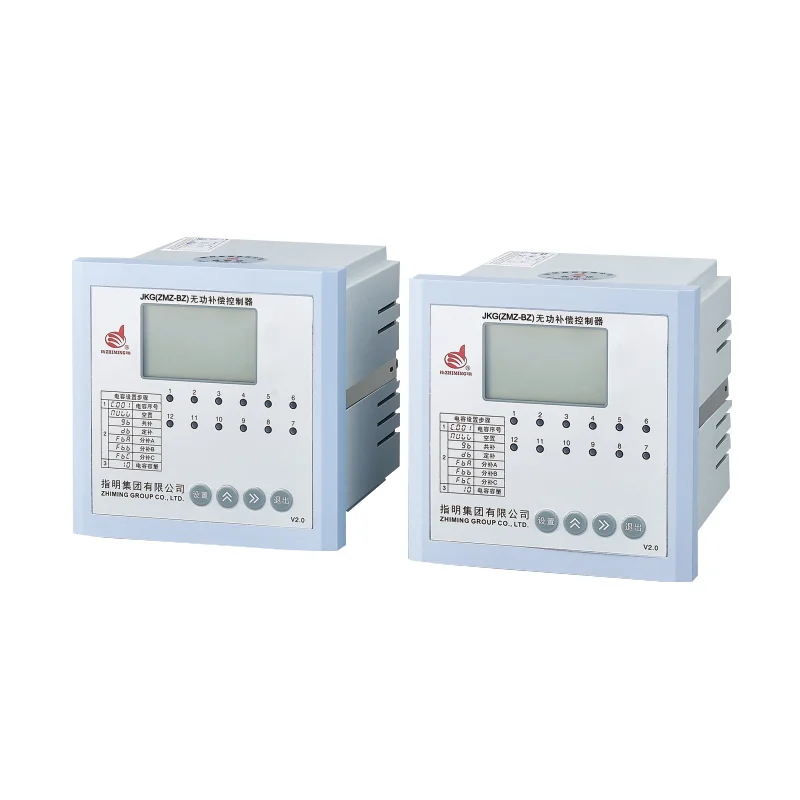
An automatic power factor controller is one of those devices that tends to sit quietly in the background until power quality starts becoming expensive. In many electrical systems, especially where motors, compressors, pumps, or other inductive loads are running, the power factor drifts away from the ideal range. That means more current is drawn than actually needed for useful work, which can lead to higher losses and sometimes even utility penalties. An APFC helps manage that problem automatically, without constant manual adjustment.
In simple terms, it monitors the system and switches capacitor banks in or out as needed so the power factor stays close to the target value. For facilities with changing loads, that little bit of automation can make a noticeable difference. If you want to explore a related solution, you can also check this reactive power compensation controller
Daftar Isi
How an automatic power factor controller works
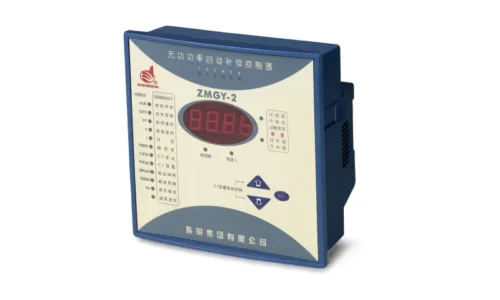
The working principle is not especially complicated, but it is clever in a practical way. The controller continuously measures electrical parameters through a current transformer and, in some systems, voltage sensing too. Based on those readings, it calculates the current power factor and decides whether correction is needed.
A typical sequence looks like this:
- The controller reads load conditions.
- It compares the measured power factor to the set target.
- If the system is lagging, it commands one or more capacitor steps to switch on.
- If the correction becomes too much, it switches some steps off.
- This cycle repeats automatically as the load changes.
That automatic switching is what makes an automatic power factor controller especially useful in facilities where demand is never quite stable. A plant may start several motors at once, then shift into lighter operation later in the day. A fixed correction setup often struggles with that kind of pattern. The APFC, by contrast, adjusts in real time.
For readers who want a broader technical background on the subject, the power factor concept is also explained clearly by the U.S. Department of Energy.
Main components in the system
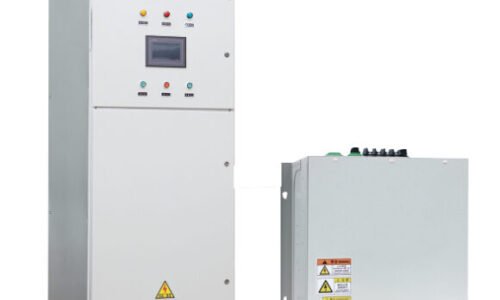
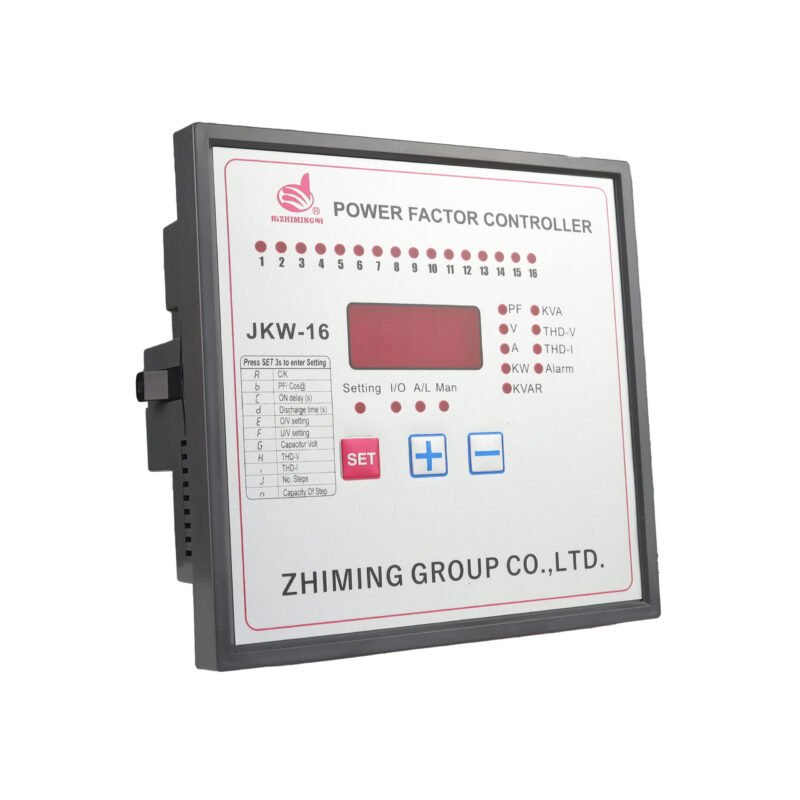
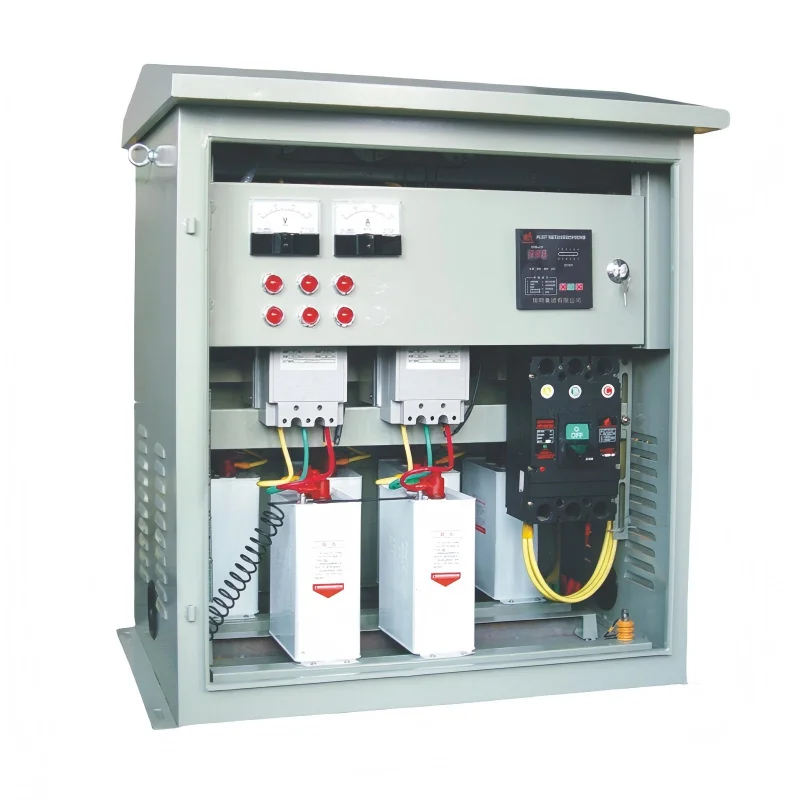
An APFC panel usually includes a few essential parts working together:
- Controller unit:The“brain”that measures and decides when correction is needed.
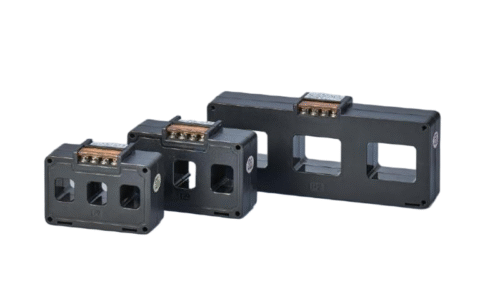
- Current transformer CT:Feeds current data to the controller.
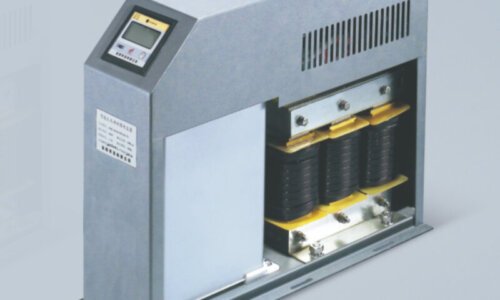
- Capacitor banks: Provide reactive power compensation.
- Switching devices/contactors:Connect or disconnect capacitor steps.
- Display and indicators:Show status, alarms, and power factor readings.
In well-designed systems, these parts are matched carefully. That matters more than it sounds like it should. A controller can only do so much if the capacitor steps are poorly sized or the switching arrangement is sluggish.
Why the device matters in real operations
The appeal of an automatic power factor controller is not just that it improves the number on a meter. It usually brings a chain of practical benefits:
- Reduced reactive power drawn from the supply
- Lower current in cables and transformers
- Better voltage stability across the system
- Less wasted energy as heat
- Fewer power factor penalties from utilities
There is also a quieter benefit that experienced maintenance teams tend to appreciate: electrical systems often feel more “settled” when correction is handled properly. Motors may run under less stress, and the overall installation can become easier to manage.
The International Electrotechnical Commission has useful guidance on electrical system concepts and standards through its IEC publications. For anyone involved in industrial power management, that kind of reference is worth having around.
Automatic vs. manual power factor correction
There are still installations that rely on manual correction, but in dynamic environments that approach is usually less convenient. A quick comparison helps show the difference.
| Fitur | Automatic Power Factor Controller | Manual Power Factor Correction |
|---|---|---|
| Response to load changes | Automatic, real-time | Manual, delayed |
| Maintenance effort | Lower day-to-day attention | More frequent adjustment |
| Accuracy | Generally higher | Depends on operator timing |
| Best for | Variable loads | Stable, predictable loads |
| Risk of overcorrection | Reduced | Higher if settings are not updated |
Manual systems can work in small, steady installations. Still, once load fluctuations become frequent, automation tends to pay for itself in both time and performance.
Where automatic power factor controllers are commonly used
The automatic power factor controller is found in many types of sites, especially where inductive equipment is common.
Common applications include:
- Manufacturing plants
- Commercial buildings
- Hospitals
- Data centers
- Water treatment facilities
- Large HVAC systems
- Workshops with heavy motor loads
In these environments, demand changes can happen all day long. A factory may switch between production lines, or a commercial building may see sharp variation between daytime and evening loads. That kind of pattern is exactly where automatic correction becomes valuable.
Choosing the right controller
Selecting an APFC unit is not just a matter of picking the first available panel. A few things deserve attention:
- Load variation: Highly variable loads need faster response and better step control.
- Capacitor bank size: The correction range has to match the system.
- Number of steps: More steps usually allow finer adjustment.
- Protection features: Overvoltage, overheating, and harmonic protection can matter a lot.
- Ease of maintenance: Clear displays and accessible parts save time later.
- Compatibility with the electrical system: Especially important in older installations.
If the setup is part of a larger industrial project, choosing a reliable supplier can matter just as much as the technical specification. For integrated solutions and industrial electrical products, it is essential to choose a trustworthy and experienced industry provider. You may also find this automatic reactive power controller
Common mistakes to avoid
Even a good controller can underperform if the installation is not handled properly. A few mistakes show up often:
- Oversizing or undersizing the capacitor bank
- Ignoring harmonic distortion in the network
- Setting the target power factor too aggressively
- Skipping site load analysis before installation
- Failing to check contactor wear or capacitor health over time
Harmonics deserve special mention. In some systems, correction equipment can interact badly with nonlinear loads unless the design accounts for it. That is one of those details that may not seem urgent at first, then becomes very expensive later.
Conclusion
An automatic power factor controller is a practical solution for keeping electrical systems efficient, stable, and easier to manage. It works quietly in the background, adjusting capacitor banks as conditions change, which is exactly why it is so useful in plants and buildings with variable loads. In many cases, it does not just improve the power factor on paper; it also helps reduce strain on the system and brings a bit more order to everyday operation.
For facilities trying to get more out of their electrical infrastructure without constant manual intervention, APFC technology is often a sensible place to start.
PERTANYAAN YANG SERING DIAJUKAN
Is an automatic power factor controller suitable for small businesses?
Yes, especially if the business runs motors, refrigeration, compressors, or other inductive equipment. The return may be smaller than in a large plant, but it can still help reduce unnecessary reactive demand.
Does it immediately lower electricity bills?
Often, yes, though the exact result depends on the tariff structure. If the utility applies power factor penalties, improved correction may reduce charges quickly. If not, the savings may show up more in system efficiency than in a direct bill reduction.
Can it be used in systems with harmonic loads?
It can, but the design has to be handled carefully. In harmonic-rich environments, standard correction may not be enough, and detuned or filtered solutions are sometimes preferred to avoid resonance issues.