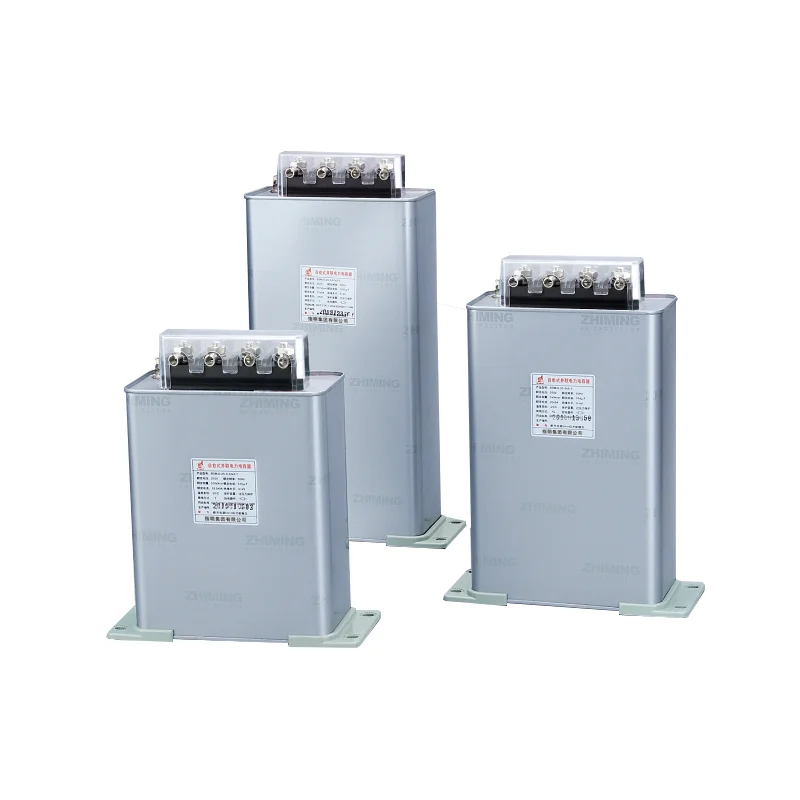
Power factor is one of those electrical terms that sounds more technical than it really is. In practice, it is closely tied to how efficiently electrical power is being used. In factories, commercial buildings, and even some homes, a poor power factor can quietly cause extra current, more heat, and higher operating costs. That is why it gets so much attention from engineers and maintenance teams,especially when using tụ điện công suất to improve system efficiency.
Mục lục
What Power Factor Actually Means
At a simple level, power factor shows how much of the electricity supplied is being turned into useful work. If most of the supplied power is doing real work, the power factor is high. If a large portion is not contributing directly to useful output, the power factor is lower.
Active Power, Reactive Power, and Apparent Power
Electrical systems often use three related terms:
- Active power: the power that actually does useful work, such as turning a motor or lighting a lamp
- Reactive power: the power that supports magnetic fields in inductive equipment, but does not directly do work
- Apparent power: the total power supplied by the source
The power factor is basically the ratio between active power and apparent power. A value close to 1 means the system is using electricity more effectively. That is usually what operators want.
The Main Function of Power Factor
The main function of power factor is to indicate how efficiently electrical power is being converted into useful output. That sounds simple, but it matters a lot in real systems.
Efficient Use of Supplied Power
When power factor is high, more of the electrical supply is being used for actual work. When it is low, more current is needed to deliver the same amount of useful power. This is why a system with a weak power factor often feels less efficient, even if the equipment still appears to be running normally.
Reducing Wasted Current
A low power factor does not always mean electricity is “lost” in a dramatic way, but it does mean the system carries extra current. That extra current increases stress on cables, transformers, switches, and protection devices. In large systems, this becomes a real operational issue.
Supporting Stable System Performance
Another important role of power factor is helping maintain stable electrical performance. When current rises too much, voltage drops and losses tend to increase. Over time, that can affect equipment reliability. So the power factor is not just a billing term; it is also a practical indicator of electrical health.
Why Low Power Factor Causes Problems
A low power factor can create several problems, and they tend to show up together.
Common Effects of Poor Power Factor
- Higher line current
- Extra heat in conductors and equipment
- Greater energy losses
- Reduced usable capacity of electrical infrastructure
- Possible utility penalties in commercial or industrial contracts
In day-to-day operation, these effects may not look dramatic at first. Still, they can build up, especially in systems with motors, transformers, welding machines, compressors, or other inductive loads.
Higher Line Current
When power factor is low, the current flowing through the system must increase to deliver the same amount of real power. That means wires and equipment work harder than necessary. It is a bit like moving the same amount of material using a cart with a weak wheel — the job gets done, but with more effort than should be needed.
Energy Loss and Heat
Extra current creates more heat. And heat, as observed in many electrical systems, is usually not welcome. It wastes energy and can shorten equipment life. Cables may run warmer, transformers may become less efficient, and motors may experience additional strain.
Utility Penalties and Equipment Stress
For businesses, poor power factor can affect electricity bills. Some utilities charge penalties or apply demand-related costs when the power factor falls below a certain threshold. Even when there is no direct penalty, the system still pays indirectly through higher losses and reduced capacity.
How Power Factor Is Improved
Improving power factor is usually not complicated, though it should be done carefully. The goal is to reduce unnecessary reactive demand and make better use of supplied power.
Common Methods of Power Factor Correction
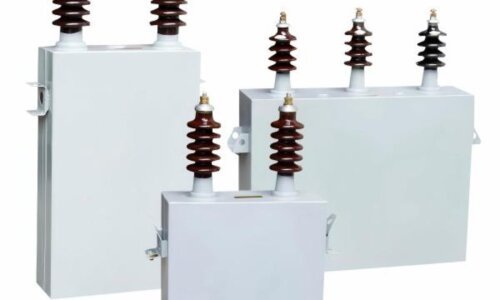
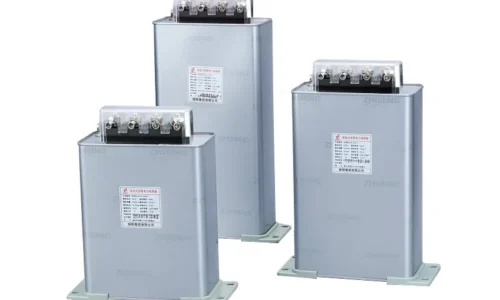
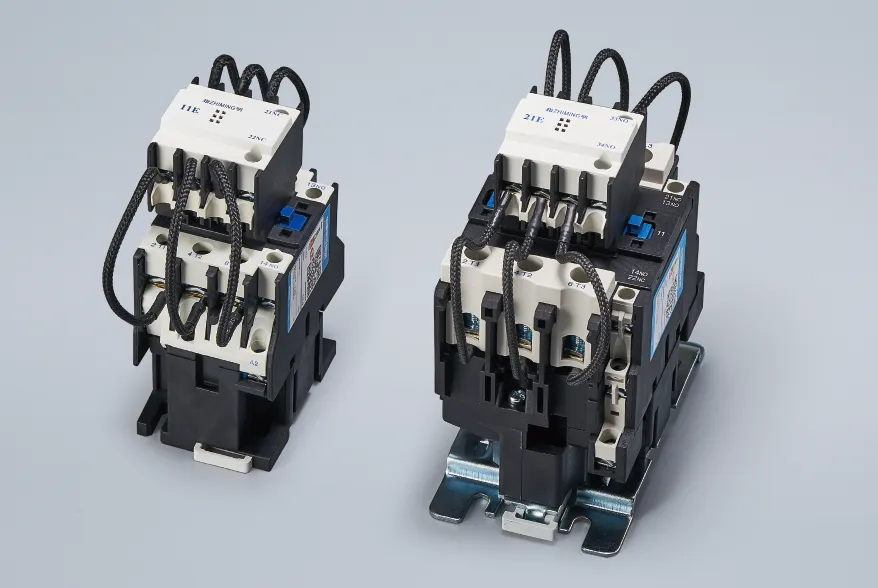
- Capacitor banks
- Tụ đồng bộ
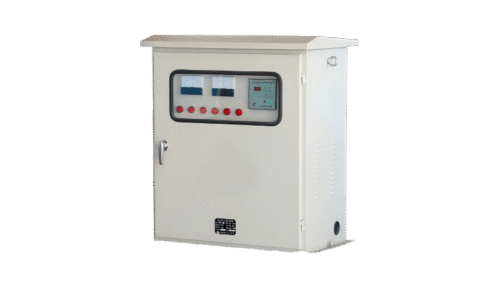
- Automatic power factor correction panels
- Proper motor sizing
- Avoiding lightly loaded inductive equipment when possible
Capacitor Banks
Capacitor banks are among the most common solutions. They supply reactive power locally, which reduces the amount that must come from the grid. In many industrial and commercial settings, this is the standard method for correcting low power factor.
Correct Sizing of Motors and Loads
Oversized motors running far below their rated load can contribute to poor power factor. Choosing equipment more carefully, or matching operating conditions more closely, can help. This is one of those details that sometimes gets ignored during installation, then quietly shows up in maintenance reports later.
Power Factor Correction Devices
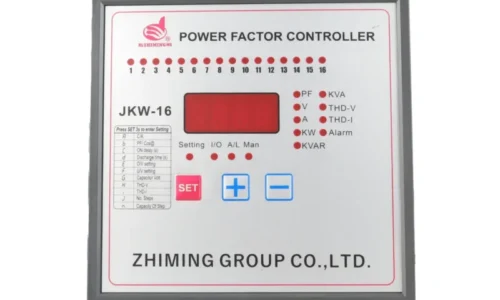
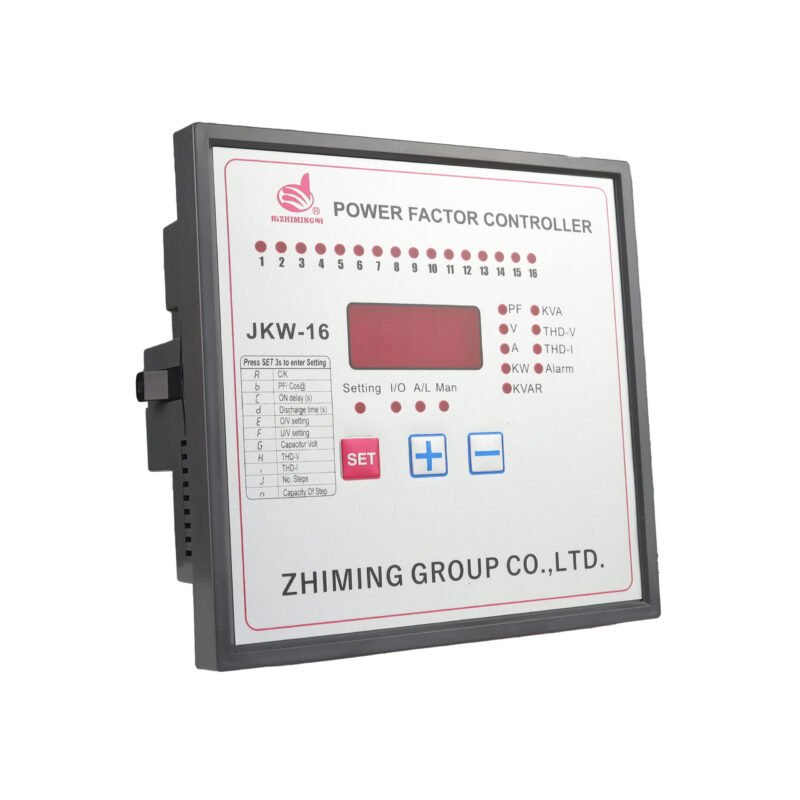
Bộ điều khiển bù công suất phản kháng monitor the system and switch capacitor stages in and out as needed. This is useful where the load changes often. For more stable loads, a simpler setup may be enough.
Power Factor in Real-World Applications
The importance of power factor depends on the type of electrical system, but in many cases, it matters more than people first expect.
| Application Type | Typical Loads | Power Factor Impact | Common Concern |
|---|---|---|---|
| Industrial plants | Motors, compressors, conveyors | Often significant | High current and utility charges |
| Các tòa nhà thương mại | HVAC, elevators, lighting | Moderate to high | Energy efficiency and demand management |
| Residential systems | Appliances, electronics | Usually lower impact | Mostly indirect, unless many inductive loads are present |
Industrial Plants
Industrial environments are where power factor gets serious attention. Large motors and heavy machinery often create inductive loads. Without correction, the current required can be quite high, and the overall system efficiency drops.
Commercial Buildings
In commercial buildings, HVAC systems, elevators, and large pumps can influence power factor. The load pattern may change throughout the day, so monitoring is helpful. A building might seem ordinary on the surface, but its electrical profile can be more complicated than expected.
Residential Systems
In homes, power factor is usually less of a concern than in industrial sites. Still, it can matter with certain appliances and older equipment. It is not usually something homeowners track closely, but it is part of the broader picture of electrical efficiency.
Practical Tips for Monitoring and Improving Power Factor
A few simple habits can help keep power factor under control.
- Monitor major loads regularly
- Check for oversized or underloaded motors
- Inspect capacitor banks and correction equipment
- Track utility bills for penalty charges
- Review changes after new equipment is added
Even a system that starts out with good power factor can drift over time. Equipment changes, load patterns shift, and maintenance gaps happen. That is fairly normal. The key is to notice it early.
Câu hỏi thường gặp
What is a good power factor value?
A power factor close to 1 is generally considered good. In many practical systems, values above 0.9 are often seen as acceptable, though the ideal target depends on the application and utility requirements.
Does power factor affect electricity bills?
Yes, especially in commercial and industrial settings. A low power factor can lead to penalties, higher demand charges, or less efficient use of available electrical capacity.
Can power factor be too high?
In most normal systems, a very high power factor is not a problem. However, overcorrection can create its own issues, so correction equipment should be selected and adjusted carefully.