Tập đoàn Zhiming chuyên về các linh kiện điện áp cao và thấp cũng như các bộ thiết bị hoàn chỉnh. Chúng tôi lấy nhu cầu của quý khách làm điểm xuất phát, từ đó thiết kế và điều chỉnh quy trình sản xuất cho phù hợp để đảm bảo mỗi thiết bị được chế tạo nhằm đáp ứng nhu cầu về điện năng của quý khách.
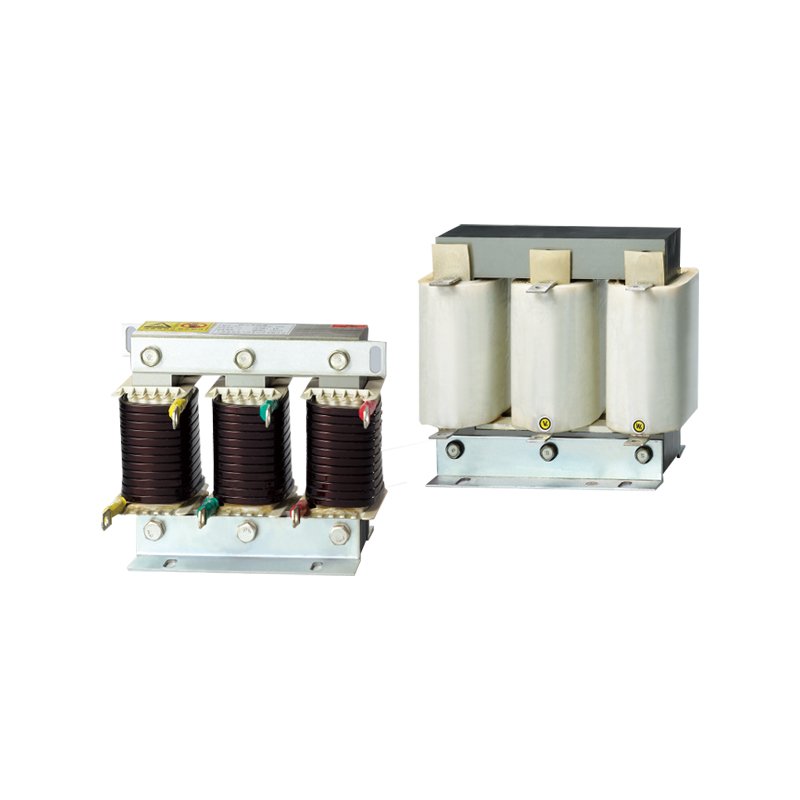
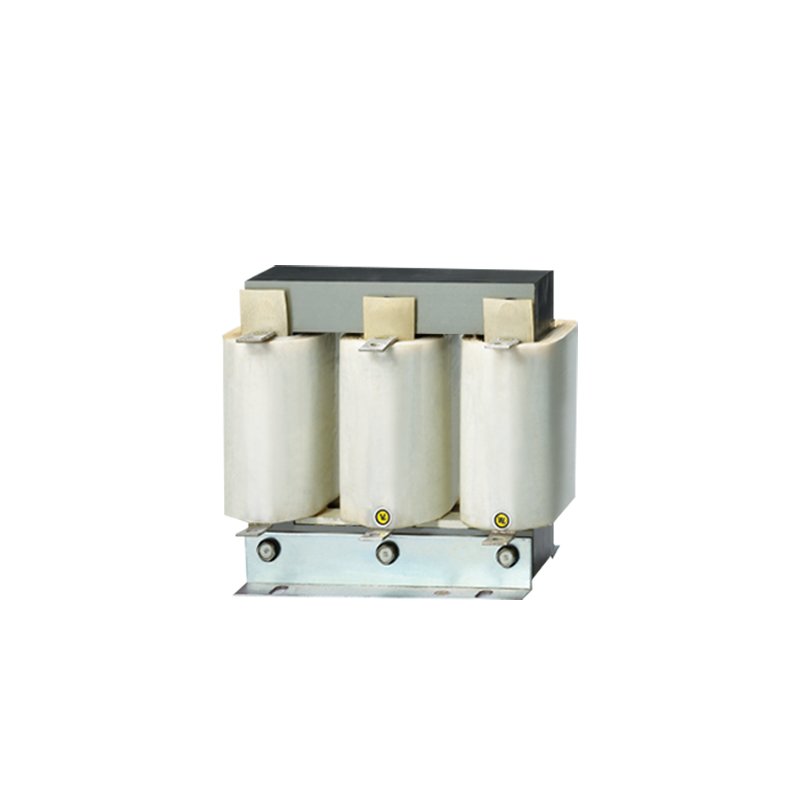
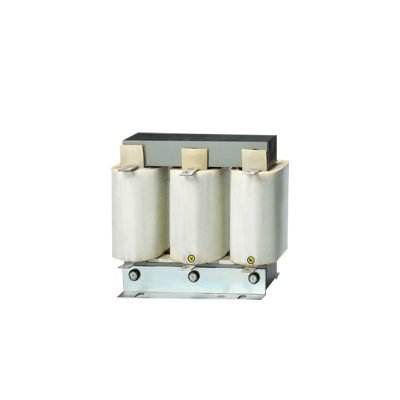
Một other low voltage reactor refers to a series-connected electromagnetic device used in low voltage AC circuits (typically below 1000V) to limit inrush current, suppress harmonics, or absorb transient overvoltages. Unlike a standard line reactor or filter reactor, the term “other” often indicates a non-standard design — for example, a dual-winding reactor, a saturable reactor, or a reactor with customized impedance (e.g., 3%, 5%, 7%). These reactors are placed between a power source and loads such as capacitor banks, VFDs, or soft starters. The main effect is to increase system impedance at certain frequencies, thereby reducing current distortion and protecting switching devices.
Core Functions of a Other Low Voltage Reactor
Chức năng
Mô tả
Inrush Current Limiting
Reduces peak inrush when switching capacitor banks or transformers. Typical reduction from 100× In to 10–15× In.
Harmonic Blocking
Tuned to 5th, 7th, or 11th harmonic (e.g., 7% impedance). Prevents resonance with power factor correction capacitors.
Voltage Notch Suppression
Smooths commutation notches caused by six-pulse VFDs. Protects other sensitive loads on the same bus.
Short-Circuit Current Reduction
Adds impedance to limit fault current. Helps existing breakers stay within interrupting rating after system expansion.
Phase Balancing (Special)
Some other low voltage reactors include asymmetric core gaps to balance load currents in delta-connected systems.
Lưu trữ năng lượng
Provides temporary magnetic energy during switching transitions. Reduces dv/dt across semiconductor switches.
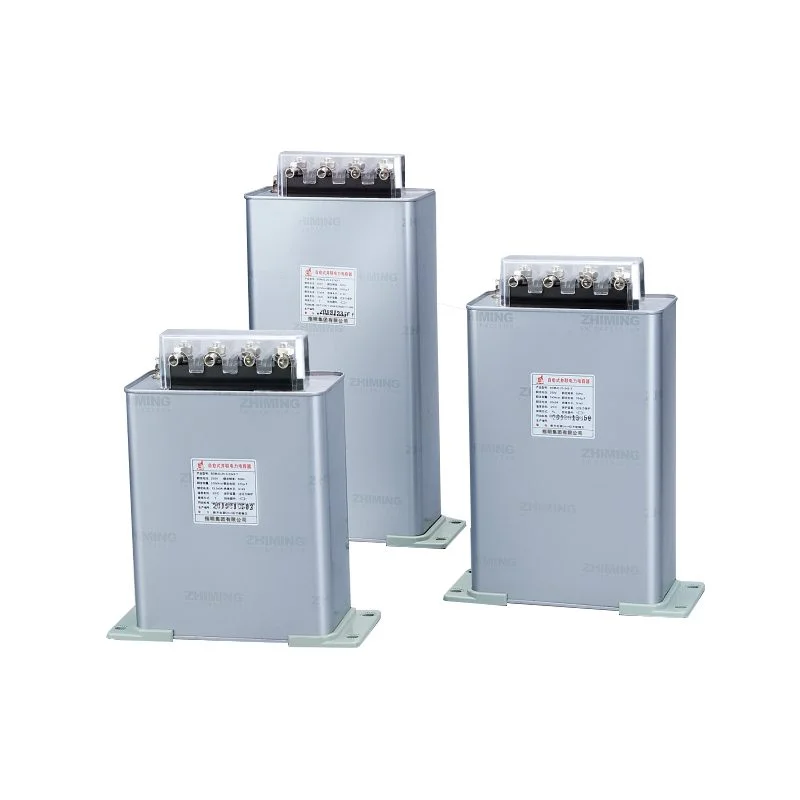
Where an other low voltage reactor solves capacitor & drive issues A power factor correction capacitor alone can resonate with grid inductance. An other low voltage reactor placed in series with the capacitor changes the resonant frequency. Below are typical cases where our reactor — whether 5% detuned or custom-impedance — prevents capacitor fuse blowing, blocks 5th/7th harmonics from VFDs, and allows safe switching without contactor welding.
Động cơ công nghiệp & Tải cảm ứng
Vấn đề: Hệ số công suất thấp (0,65–0,75) do sử dụng các động cơ, máy biến áp và thiết bị hàn có công suất lớn.
Giải pháp: Lắp đặt các cụm tụ điện nguồn điện áp thấp tại các cực động cơ hoặc tại tủ phân phối chính.
Kết quả: Hệ số hiệu suất (PF) tăng lên ≥0,96; giảm tổn thất năng lượng từ 12–181 TP3T; thời gian hoàn vốn < 8 tháng.
Hệ thống HVAC và chiếu sáng thương mại
Vấn đề: Hàm lượng sóng hài cao và chi phí kVAR hàng tháng phát sinh từ các máy làm lạnh, thang máy và bộ điều khiển đèn LED.
Giải pháp: Tụ bù hệ số công suất lệch tần kết hợp với cuộn cảm 7% hoặc 14%.
Kết quả: Tuân thủ các giới hạn phạt về hệ số công suất (PF) của công ty điện lực; hóa đơn tiền điện giảm 10–151 TP3T.
Năng lượng tái tạo (Các trang trại năng lượng mặt trời và gió)
Vấn đề: Công suất phản kháng dao động gây ra sự mất ổn định của lưới điện và hiện tượng quá nhiệt ở bộ biến tần.
Giải pháp: Hệ thống tụ điện công suất cao tự động hóa với bộ điều khiển bước.
Kết quả: Đường cong điện áp ổn định, kéo dài tuổi thọ của bộ biến tần và nâng cao khả năng đáp ứng các tiêu chuẩn về giá mua điện.
Trạm biến áp và mạng lưới phân phối
Vấn đề: Hiệu suất (PF) giảm theo mùa do điều kiện tải nhẹ và đường dây truyền tải dài.
Giải pháp: Giá đỡ tụ điện nguồn chuyển mạch sử dụng công tắc chân không.
Kết quả: Giảm tổn thất trên đường dây, giải phóng công suất máy biến áp và trì hoãn việc nâng cấp hạ tầng.
We stock 3%, 5%, 7%, 10%, and 14% reactance types.
An other low voltage reactor with non‑standard impedance (e.g., 8.5%) is wound in 10 working days, not 8 weeks.
Linear up to 2× rated current
Core design avoids saturation even during motor starting or capacitor inrush.
This means an other low voltage reactor from Zhiming maintains its impedance from 20% to 200% load without overheating.
Low losses for continuous duty
Copper and core losses stay below 2.5% of rated kVA.
A compact other low voltage reactor can run at full load 24/7 with only 40°C temperature rise (class F insulation).
Terminal box included standard
IP20 rated with cable glands. No need to buy separate enclosure.
Every other low voltage reactor comes with labeled terminals (U1/U2, V1/V2, W1/W2) for mistake‑proof field wiring.
No audible noise above 45dB
Vacuum impregnated core and clamped laminations.
Even a 500A other low voltage reactor operates quietly inside control rooms — no humming complaints from operators.
Free resonance calculation report
Send us your capacitor bank size and transformer kVA. We compute whether a standard or other low voltage reactor is needed.
Zhiming provides a two‑page report showing the new resonant frequency and harmonic blocking performance before you order.
Một nhà sản xuất tụ điện công suất hàng đầu với hơn 25 năm kinh nghiệm sẵn sàng giải đáp mọi thắc mắc của quý khách — bao gồm các vấn đề liên quan đến sản phẩm, câu hỏi về kinh doanh hoặc các vấn đề liên quan đến dịch vụ.
Vẫn còn thắc mắc? Chúng tôi luôn sẵn sàng hỗ trợ bạn
1. What does “other” mean in “other low voltage reactor”?
It indicates a non‑standard design — for example, a reactor with dual windings, a saturable core, or an impedance value not common in catalogs (e.g., 8%). Zhiming’s other low voltage reactor line covers any special electrical or mechanical requirement.
2. Can I use a 5% reactor for both harmonic blocking and inrush limiting?
Yes, a 5% impedance reactor serves both purposes. It reduces inrush to about 10–12× rated current and shifts the resonant frequency below the 5th harmonic. For heavy VFD loads, a 7% other low voltage reactor may be better. kVAR = Active Power (kW) × (tanφ₁ – tanφ₂). Or simply send us 30 days of load data – we will calculate it for free.
3. What happens if the reactor saturates during fault?
Saturation causes inductance drop, so fault current rises closer to the no‑reactor value. Zhiming designs other low voltage reactor cores to saturate only above 2.5× rated current, giving protective relays enough time to trip.
4. Do I need a separate reactor for each capacitor step?
Not always. One other low voltage reactor can serve multiple capacitor steps if the reactor is placed on the main bus before the step contactors. But for best detuning, place one reactor per step — especially when steps have different kVAR ratings.
5. How do I measure actual impedance after installation?
Short the reactor output and apply low voltage (e.g., 10V AC) on input. Measure input current and calculate Z = V/I. For an other low voltage reactor, compare the result with the nameplate impedance tolerance (±5% typical).