When electrical bills start creeping up or equipment begins showing small but annoying symptoms—extra heat, humming, nuisance trips—it often points to a problem that sits quietly in the background: poor power factor. It’s one of those issues that can be easy to ignore until it becomes expensive.
A properly chosen Power Factor Correction Capacitor can make a noticeable difference. In the right system, it helps reduce reactive power, improves electrical efficiency, and takes pressure off cables, transformers, and switchgear. But the important part is this: the benefit does not come from installing any capacitor at random. Sizing, selection, and installation all matter, sometimes more than people expect.
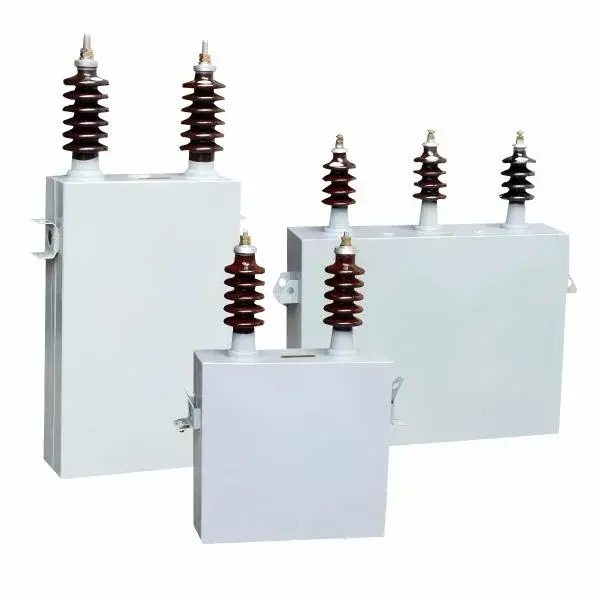
Mục lục
What a Power Factor Correction Capacitor Actually Does
Power factor is a measure of how effectively electrical power is being converted into useful work. In simple terms, a low power factor means a system is drawing more current than it really needs to do the same job. That extra current doesn’t always produce useful output; it mainly circulates through the system and creates losses.
A capacitor helps offset that reactive demand. In practical terms, it supplies the reactive power that inductive loads—like motors and compressors—usually pull from the utility. That can lead to:
- lower demand penalties in some billing structures
- less heat in conductors and equipment
- improved voltage stability
- better overall system efficiency
This is why facilities with lots of motors tend to see the clearest gains. Pumps, HVAC systems, compressors, conveyors, and general industrial lines are classic candidates.
Where These Capacitors Are Typically Used
Most power factor correction systems show up in places with steady inductive loading:
- manufacturing plants
- water treatment facilities
- commercial buildings
- refrigeration systems
- machine shops
- utility and infrastructure sites
It’s rarely about a single device. It’s the combined effect of many loads running over time.
Signs a Facility May Need Power Factor Correction
A poor power factor does not always create dramatic symptoms. Often it just makes the system a little less efficient, a little warmer, and a little more expensive. Still, there are some common warning signs:
- recurring utility penalties or poor power factor charges
- unexplained increases in electrical costs
- transformers running hotter than expected
- higher current on feeders without a matching increase in output
- voltage drops when larger motors start
- contactors or switchgear showing extra stress over time
At this stage, many operators begin looking at capacitor solutions such as a Power Factor Correction Capacitor to stabilize the system and reduce losses.
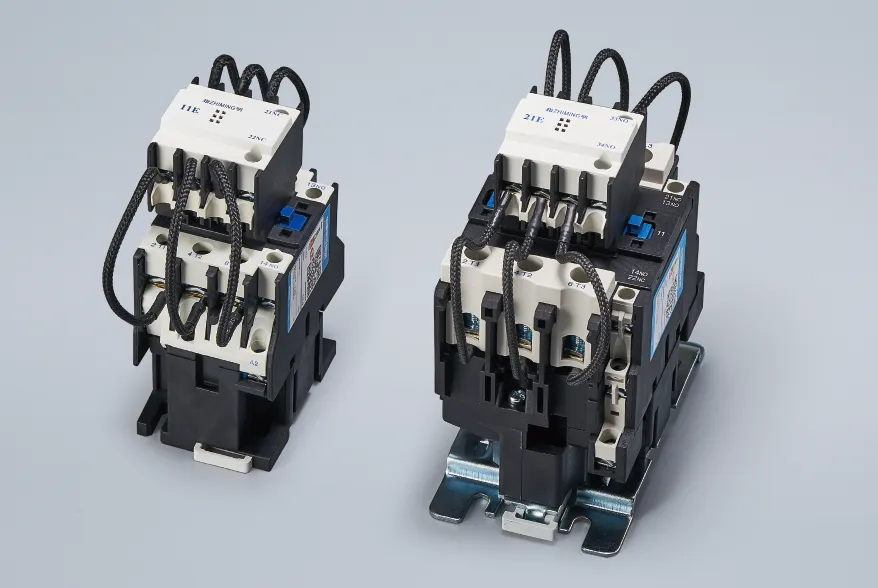
How to Size a Power Factor Correction Capacitor
Sizing is where many projects go right—or wrong. The correct size depends on the actual load profile, not just on the nameplate rating of a machine or the rough size of the facility.
The key inputs are usually:
- active power demand (kW)
- existing power factor
- desired power factor
- operating hours
- whether the load is constant or variable
A common approach is to calculate how much reactive power needs to be offset to move from the current power factor to the target. In real projects, engineers often aim for a practical target rather than perfection, because pushing power factor too high can create its own problems.
Sample Sizing Logic
Imagine a facility with several motors operating most of the day. If the system is running at a lagging power factor, a capacitor bank is selected to supply part of that reactive demand locally. The utility then sees a cleaner load, the system current drops, and equipment may run a bit cooler.
That said, load variation matters a lot. A plant that runs all equipment at once needs a different solution than a site where motors cycle on and off throughout the day.
Common Sizing Mistakes
A few mistakes show up again and again:
- Oversizing the capacitor
This can cause leading power factor conditions during light-load periods.
- Ignoring load variation
A fixed capacitor may be fine in one shift and problematic in another.
- Not checking for harmonics
Harmonic-rich systems need more than a basic capacitor arrangement.
- Installing the wrong voltage class
The electrical rating has to match the system, not a nearby approximate value.
- Assuming one unit fits all
Some systems need stepwise correction, others need a more targeted setup.
Choosing the Right Type of Capacitor
The word “capacitor” covers a few different use cases, and the right selection depends on voltage level, load profile, and electrical environment. In many industrial and commercial settings, a low voltage power capacitor is a common starting point because it fits standard distribution systems and compact installations.
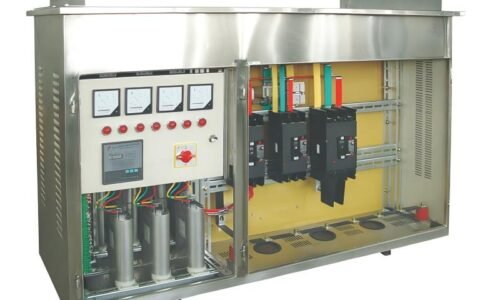
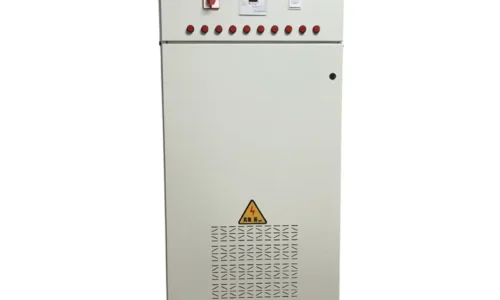
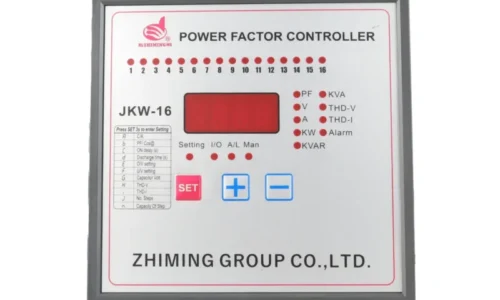
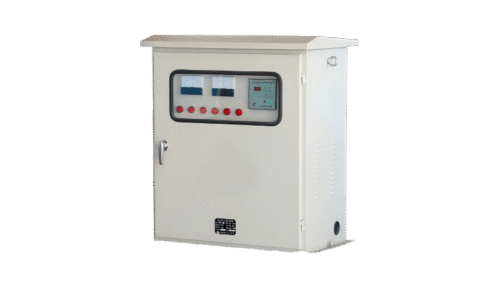
Fixed capacitors work best when the load is stable. Automatic capacitor banks make more sense when demand changes throughout the day. That distinction sounds basic, but in practice it is the difference between a system that quietly saves money and one that causes trouble.
When a Three-Phase Solution Makes More Sense
Three-phase systems dominate most industrial environments, so it’s no surprise that many correction setups are designed for them. A three phase factor power capacitor is especially useful where loads are balanced and the correction needs to be consistent across the system.
This type of setup is often preferred because it:
- matches standard industrial distribution
- supports balanced load conditions
- can improve system stability
- is often easier to integrate into existing equipment rooms
In harmonic-heavy environments, an anti-harmonic design may be the smarter choice. That’s not always obvious at first glance, but it matters a great deal over the long term.
Installation Considerations That Affect Performance
Capacitor performance is not determined only by the product itself. Placement, protection, ventilation, and switching logic all influence how well the system behaves.
A few practical points tend to matter most:
- install near the load center when possible
- provide enough ventilation to control heat
- use proper protection devices and isolators
- verify switching arrangements for automatic banks
- make sure the enclosure and rating suit the ambient conditions
Capacitors are not difficult to install in principle, but the details are where reliability is won or lost. Loose connections, poor airflow, or wrong protection settings can quietly shorten service life.
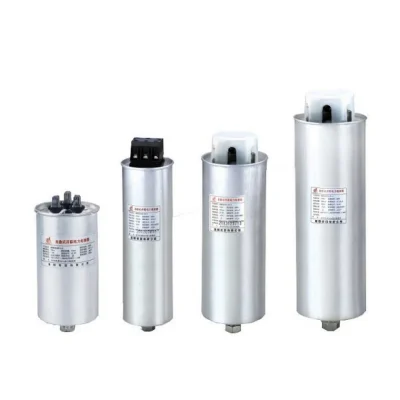
Harmonics and Why They Matter
Harmonics are one of the most important things to check before finalizing a design. In systems with variable frequency drives, rectifiers, or other non-linear loads, capacitors can interact with harmonic currents and create resonance problems. That can lead to overheating, overcurrent, or premature failure.
For a broader technical reference on power quality, the IEEE power quality overview is a useful starting point, especially when electrical disturbances are part of the picture. Another practical reference is the U.S. Department of Energy, which offers general energy-system guidance.
When harmonics are significant, an anti-harmonic or detuned solution is often a better fit than a standard bank.
Maintenance and Monitoring
A power factor correction system usually does not demand constant attention, but it should not be left completely alone either. Like many electrical assets, it performs best when someone checks it from time to time.
Useful maintenance tasks include:
- visual inspection for bulging, leakage, or discoloration
- checking contactor wear in automatic banks
- confirming current and temperature readings
- verifying power factor improvement at the panel
- replacing aging units before failure cascades into other equipment
It is often the small signs—slightly hotter enclosures, a noisier contactor, a unit that looks less tidy than the others—that tell the real story.
Quick Comparison Table
| Loại | Phù hợp nhất cho | Advantages | Limitations |
|---|---|---|---|
| Fixed capacitor | Stable loads | Simple, low cost, easy to apply | Can overcorrect during low-load periods |
| Automatic capacitor bank | Tải trọng thay đổi | Adjusts to changing demand | More components to maintain |
| Three-phase capacitor | Balanced industrial systems | Good fit for common distribution setups | Must be matched to system conditions |
| Anti-harmonic type | Môi trường giàu sóng hài | Better protection from resonance issues | Higher upfront complexity |
Practical Buying Checklist
Before selecting a capacitor solution, it helps to step back and look at the full operating picture. A good procurement checklist often includes:
- system voltage and frequency
- real and reactive power profile
- daily load variation
- harmonic distortion level
- ambient temperature and enclosure conditions
- switching frequency
- protection and compliance requirements
- supplier support and spare-part availability
This is where the best solution usually becomes clearer. The most suitable capacitor is not simply the biggest or the newest one—it is the one that fits the actual electrical environment.
Kết luận
A Power Factor Correction Capacitor is a practical tool, but only when it is matched carefully to the load, voltage level, and electrical environment. The sizing step is important, the selection step is just as important, and installation details can make or break performance.
In many facilities, the right correction system quietly lowers costs and reduces stress on electrical infrastructure. And that is usually the sign of a well-designed solution: it does its job without demanding much attention after the fact.
Câu hỏi thường gặp
How long does a power factor correction capacitor usually last?
Service life varies a lot by temperature, switching frequency, and system quality. In a clean, well-ventilated setup, capacitors often last years, but heat and harmonics can shorten that period significantly.
Can a capacitor bank help if load levels change throughout the day?
Yes, but a fixed unit may not be the best choice. Facilities with changing demand often benefit more from automatic banks that switch steps in and out as needed.
What happens if the capacitor size is too large?
An oversized capacitor can push the system into leading power factor territory, especially during light-load hours. That may create voltage issues or reduce overall stability rather than improving it.