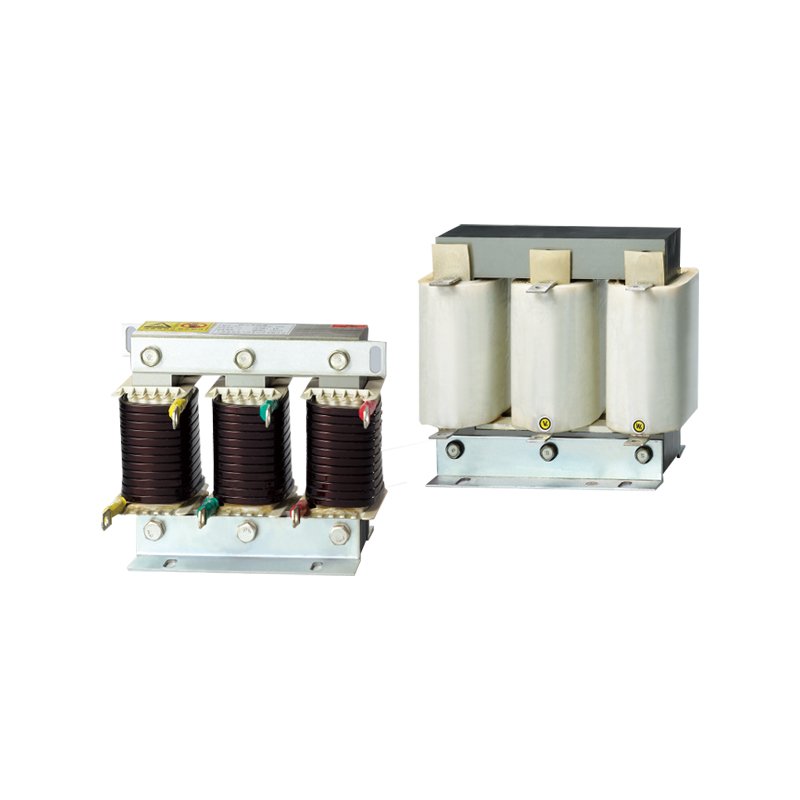
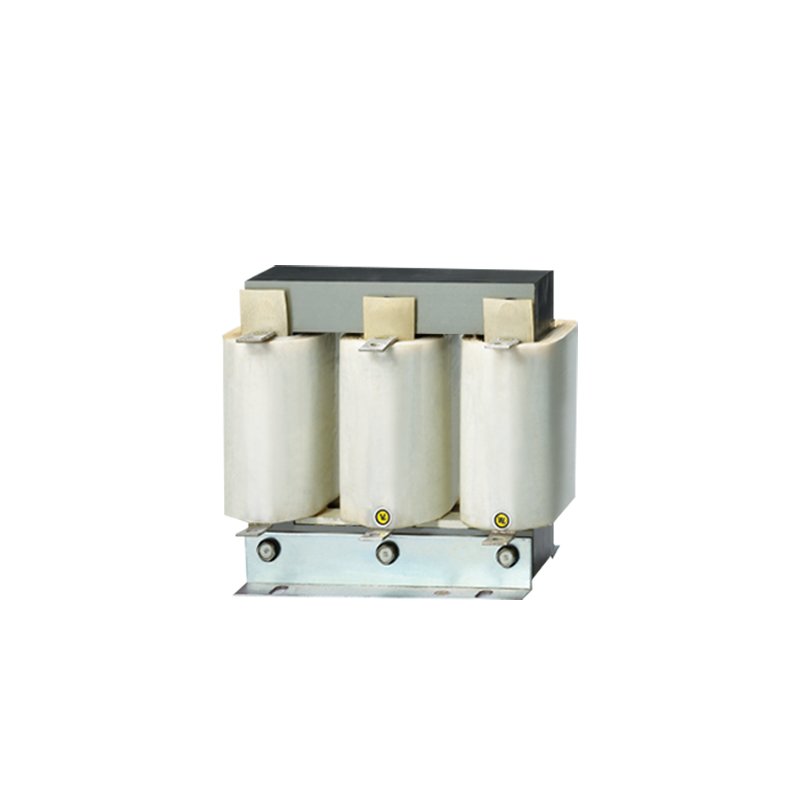
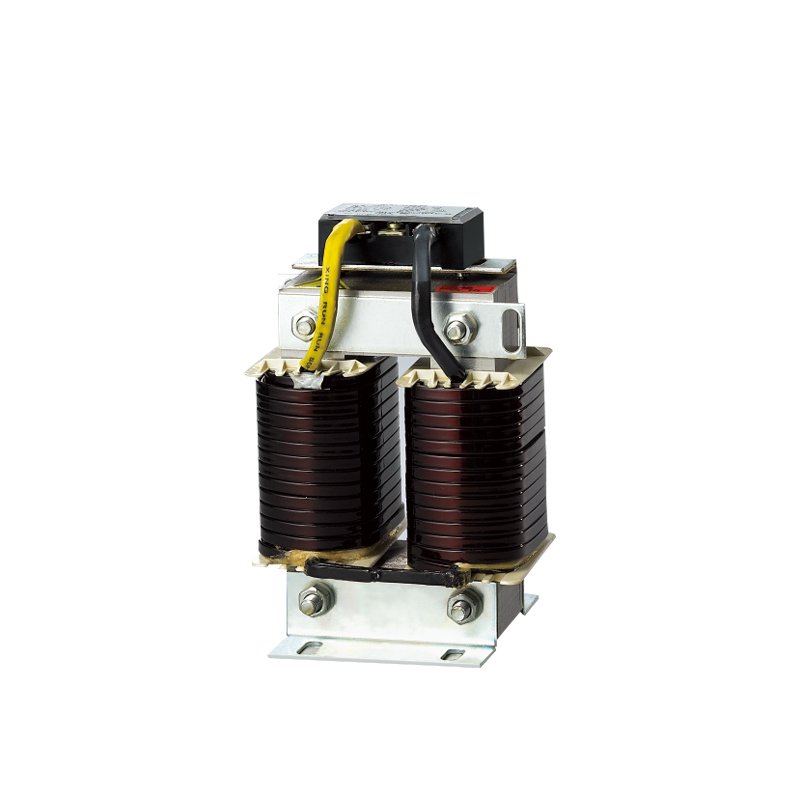
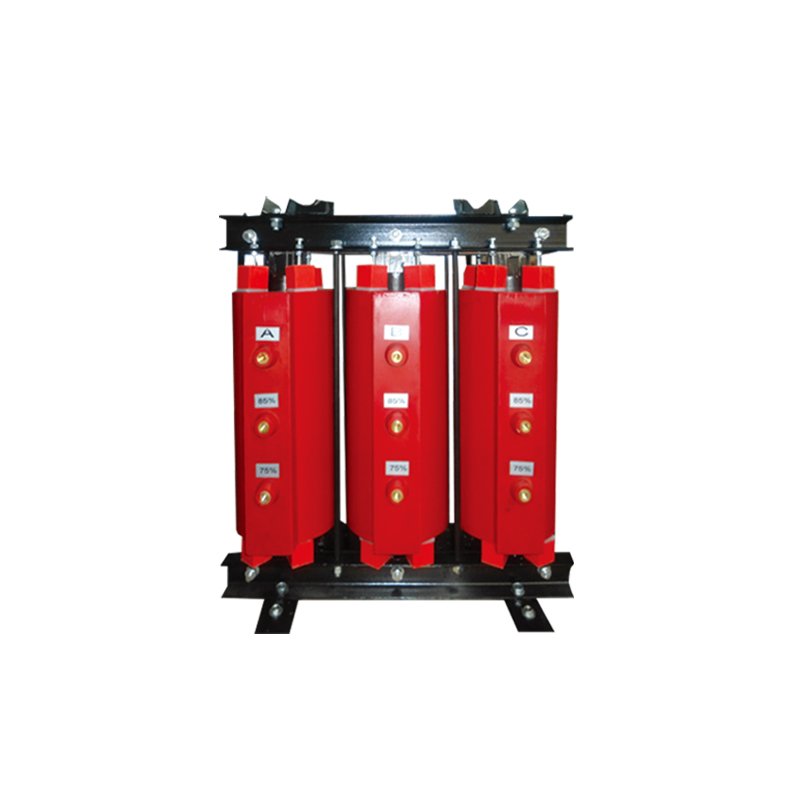
Reaktor

Maksymalizacja wydajności i współczynnika mocy

Kategoria produktu

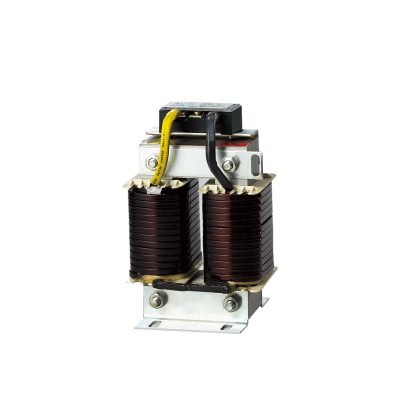
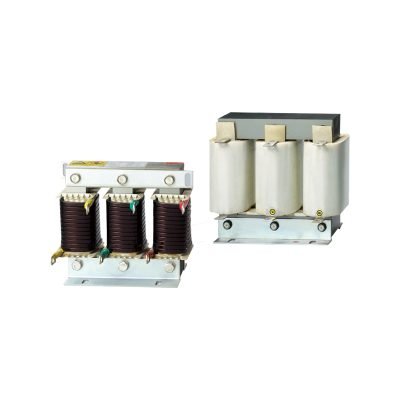
What Is A Reactor?

A Reactor (also known as an inductor or choke) is an electrical component that uses inductance to limit, smooth, or filter current in a power system. By introducing controlled inductive reactance into the circuit, a reactor suppresses harmonic currents, limits inrush and short-circuit current, protects motors and drives from voltage spikes, and prevents resonance when combined with power capacitor banks — making it a core companion device for power factor correction, harmonic filtering, and variable frequency drive (VFD) systems.

Core Functions of a Reactor

FunkcjeOpis
Harmonic SuppressionBlocks high-frequency harmonic currents from motors, VFDs, and rectifiers, protecting capacitors and sensitive loads from waveform distortion.
Capacitor Bank DetuningWorks with power capacitors (typically 5.67%, 7%, 14% detuning rate) to shift the resonance point away from dominant harmonics, preventing harmonic amplification.
Inrush & Switching Current LimitingRestrains the surge current generated when capacitor banks or motors are switched on, reducing stress on contactors, fuses, and busbars.
Motor & VFD ProtectionSmooths PWM output waveforms and dampens dv/dt and reflected-wave voltage spikes, extending motor winding and cable insulation life.
Voltage Spike & Surge SuppressionAbsorbs transient voltage disturbances from switching operations, lightning, or grid faults, protecting downstream equipment.
Power Quality ImprovementReduces THD (Total Harmonic Distortion) on the supply side, helping systems meet IEEE 519 / IEC 61000 harmonic limits.

Types of Reactors We Offer

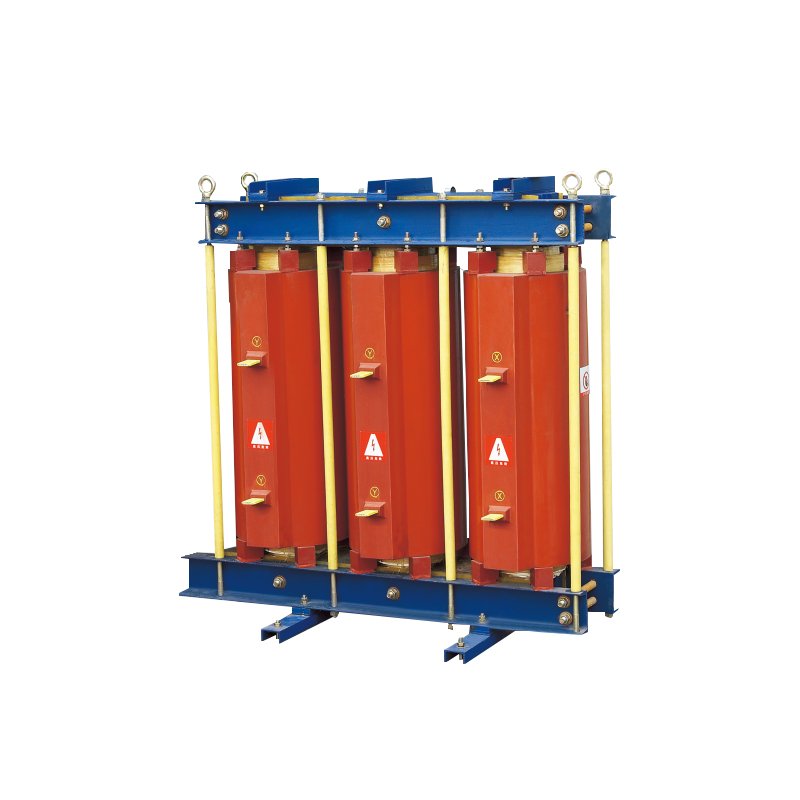
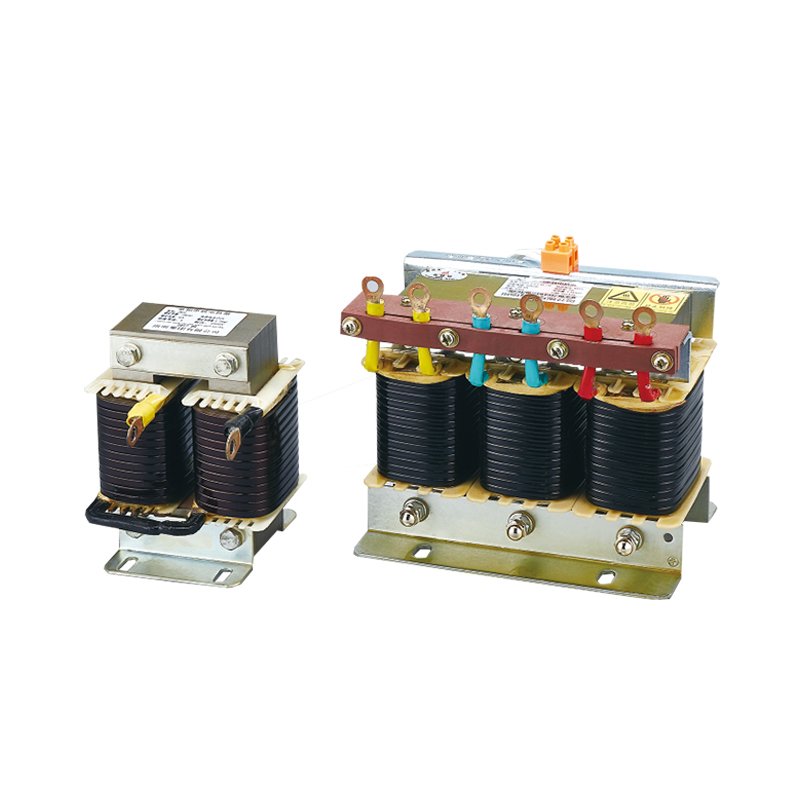
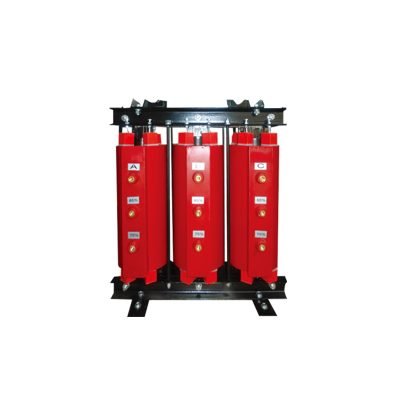
Low Voltage Shunt Power Reactor

Reaktor z filtrem harmonicznym

High Voltage Start Shunt Powe Reactor

Reaktor wysokiego napięcia

DC-Power-Reactor

Input & Cutout Reactor

Inverter Output Power Reactor

Other Low Voltage Reactors

Tabela specyfikacji technicznych

This table helps engineers and procurement teams quickly match the right reactor to their system requirements.

ParametrReaktor
Napięcie znamionowe400V, 480V, 525V, 690V (LV); 3.3kV – 35kV (HV, custom)
Prąd znamionowy1A – 1600A (customizable for higher ratings)
Reactance Rate (Detuning)1%, 2%, 3%, 4%, 5.67%, 7%, 14%
Częstotliwość50Hz / 60Hz
Insulation ClassClass F (155°C) / Class H (180°C)
Temperature Rise≤100K at rated current
LinearityMaintains rated inductance up to 1.8× rated current (low saturation)
Protection ClassIP00 / IP20 / IP23 (dry-type, ventilated or encapsulated)
Zgodność z normamiIEC 60289, IEC 61558, UL 508, CE, RoHS
Cooling MethodNatural air cooling (AN); forced air cooling (AF) optional
Core MaterialLow-loss silicon steel lamination / iron powder core (for DC reactors)
Typowy okres użytkowania100,000+ hours (at rated conditions)

Aplikacje branżowe

Where Our Reactors Proven Results

A reactor is not a one-size-fits-all device. Below are typical scenarios where our reactor reduces reactive energy penalties, improves voltage stability, and lowers harmonic distortion.

Why Choose ZHIMING's Reactor?

Low-Loss Core & Optimized Winding Design

Our reactors use grain-oriented silicon steel laminations and precision copper/aluminum winding to minimize core and copper losses. This keeps operating temperatures low and improves overall system energy efficiency, even under continuous full-load operation.

High Saturation Resistance & Stable Inductance

Engineered with a wide linear working range, ZHIMING reactors maintain stable inductance even under current surges or harmonic-rich conditions, ensuring reliable detuning performance and consistent protection for capacitor banks and drives.

Superior Safety Performance & Eco-Friendly Design

Dry-type, resin-impregnated or vacuum-varnished construction eliminates oil leakage risk. Reactors are built with flame-retardant insulation materials and can be fitted with thermal protection (PTC/PT100) for overheat monitoring and automatic disconnection.

Compact Structure & Flexible Installation

Optimized magnetic circuit design and lightweight core construction reduce the overall footprint compared to conventional reactors, making installation in distribution cabinets, motor control centers, and retrofit projects easier and more space-efficient.

Wide Operating Range & Long Service Life

Designed and tested in compliance with IEC 60289 and other international standards, ZHIMING reactors operate reliably across an ambient temperature range of -25°C to +50°C, with a design lifespan exceeding 100,000 hours — matched to work seamlessly with our power capacitors and capacitor controllers for complete reactive power compensation and harmonic filtering solutions.

Masz pytania?
Mamy odpowiedzi

Wiodący producent kondensatorów mocy z ponad 25-letnim doświadczeniem jest tutaj, aby odpowiedzieć na wszystkie pytania - obejmujące wszelkie kwestie związane z produktem, pytania biznesowe lub wątpliwości związane z usługami.

Wciąż masz pytania? Jesteśmy tutaj, aby pomóc

Nie znalazłeś tego, czego szukałeś?

Skontaktuj się z nami w każdej chwili

8093446000

Niskonapięciowy kondensator mocy jest przeznaczony do systemów ≤1kV (np. panele przemysłowe 400V), podczas gdy wysokonapięciowy kondensator mocy działa przy napięciu od 1kV do 35kV, zwykle używanym w podstacjach użyteczności publicznej lub kompensacji dużych silników SN. Ich wewnętrzny dielektryk, izolacja zacisków i rezystory rozładowania różnią się odpowiednio.

Potrzebne są trzy dane:

Średni współczynnik mocy (z rachunku za media)

Docelowy współczynnik mocy (zwykle 0,95-0,98)

Miesięczna energia czynna (kWh) i bierna (kVARh)

Użyj wzoru: Wymagane kVAR = Moc czynna (kW) × (tanφ₁ - tanφ₂). Lub po prostu wyślij nam 30-dniowe dane obciążenia - obliczymy je za darmo.

Standardowe kondensatory mogą przegrzewać się pod wpływem harmonicznych. Potrzebny jest kondensator do korekcji współczynnika mocy z dławikiem szeregowym (zazwyczaj 7% lub 14%). Nasza seria kondensatorów odpornych na harmoniczne jest oznaczona jako “HD” i posiada zabezpieczenie przed przegrzaniem.

Nasze kondensatory mocy są zaprojektowane na 120 000-150 000 godzin (ponad 15 lat) przy napięciu znamionowym i temperaturze otoczenia ≤45°C. Oznaki końca okresu eksploatacji obejmują utratę pojemności >10% lub widoczne wybrzuszenie - oferujemy bezpłatne zestawy do testowania pojemności dla zamówień hurtowych.

Tak. Niestandardowe napięcia (np. 480 V, 525 V, 690 V) i niestandardowe stopnie kVAR są dostępne przy minimalnej ilości zamówienia. W celu uzyskania szybkiej wyceny prosimy o kontakt wraz z arkuszem specyfikacji.

Skontaktuj się z nami, zaspokoimy Twoje potrzeby.

Ponad 30 lat skoncentrowanego zaangażowania,
Napędzamy postęp, wzmacniamy życie.

Kontakt teraz

Skontaktuj się z nami już teraz!