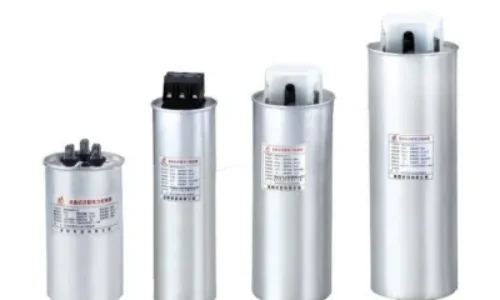
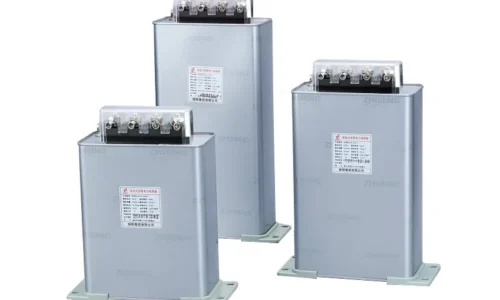
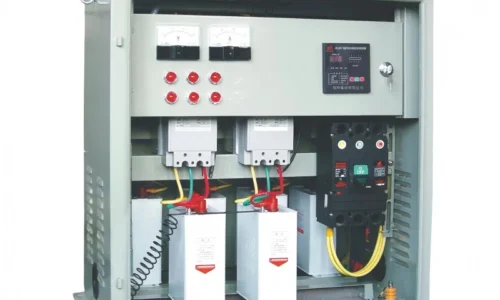
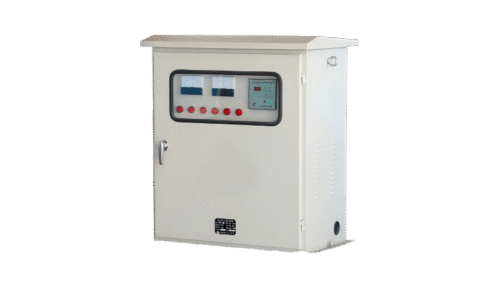
In many electrical systems, the real issue is not always the amount of power being used, but how efficiently it is being used. That is where an automatic power factor controller becomes relevant. In practice, it helps keep power factor closer to an optimal range by switching capacitor stages in and out as load conditions change. For facilities with motors, pumps, compressors, HVAC units, or other fluctuating loads, that kind of adjustment can make a noticeable difference over time.
What often gets overlooked is that poor power factor does not just affect bills. It can also increase current flow, add stress to equipment, and make the whole system less stable than it should be. An automatic solution tends to handle these changes more smoothly than manual switching, which is probably why it has become such a common choice in industrial and commercial settings.
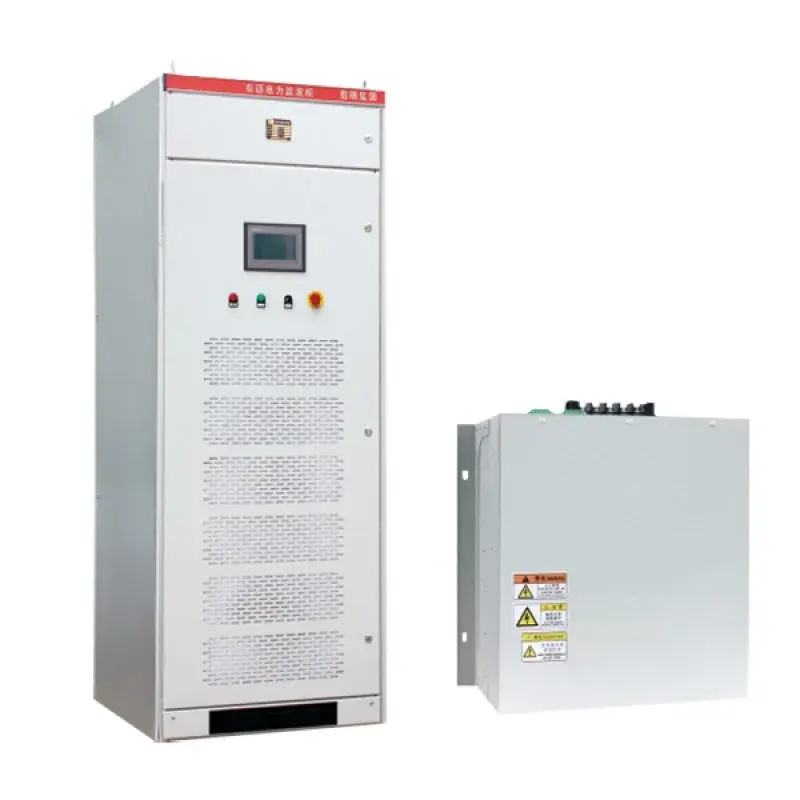
Table des matières
What an automatic power factor controller does
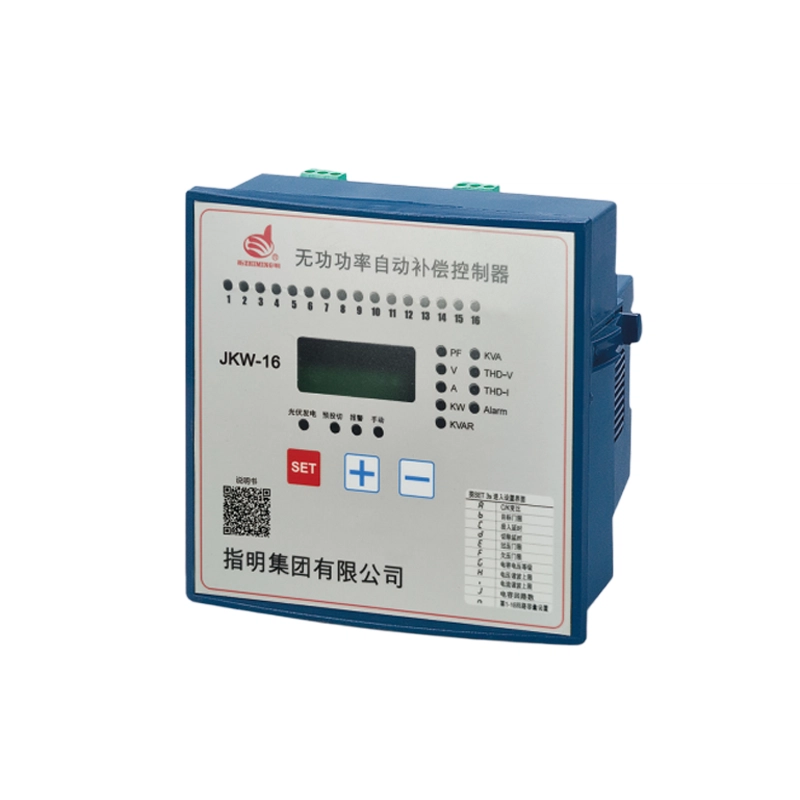
An automatic power factor controller continuously monitors the power factor of an electrical system and decides when capacitor banks should be connected or disconnected. Instead of waiting for an operator to make the adjustment, it responds to the actual load condition in real time.
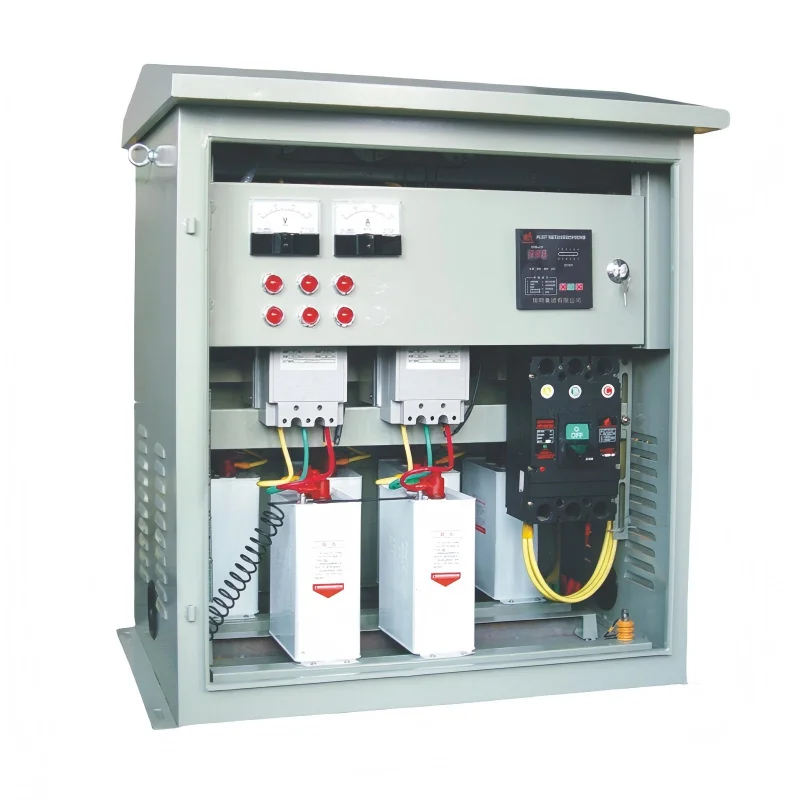
That matters because power demand is rarely fixed. One machine starts, another stops, production slows down, then ramps back up. A controller like this keeps the compensation more aligned with actual demand, which is usually more practical than fixed correction. For a closer look at this type of solution, the contrôleur automatique du facteur de puissance is designed for reactive power compensation in systems where load conditions change throughout the day.
Main advantages of an automatic power factor controller
1. Lower electricity costs
One of the biggest advantages is financial. Utilities often charge extra when power factor drops below a certain threshold, and that can become expensive in facilities running heavy inductive loads. By improving power factor, the controller helps reduce reactive power penalties and avoid unnecessary charges.
That said, the savings are not always dramatic in the first week or even the first month. They tend to accumulate steadily, especially where loads vary often and power usage stays high. Over time, those incremental gains can become meaningful.
2. Better electrical efficiency
An improved power factor means the system needs less current to deliver the same useful power. This is one of those benefits that sounds technical at first, but the practical effect is easy to appreciate: less wasted current, less strain on conductors, and better use of available capacity.
This can be especially helpful in systems where transformers and cables are already working near their limits. Lower current flow can reduce losses, which makes the installation run more efficiently overall.
3. More stable voltage performance
Voltage stability is another area where automatic correction helps. When reactive power is managed better, voltage drop is often reduced, and sensitive equipment may behave more consistently. In real-world operations, that can mean fewer small interruptions, smoother motor performance, and less unexplained variation.
The improvement may not always be dramatic, but in facilities with many inductive loads, the difference is often noticeable. Machines tend to respond better when the electrical environment is more balanced.
4. Longer equipment life
Electrical equipment does not usually fail all at once. More often, it degrades gradually under heat, excess current, and repeated stress. By reducing unnecessary current and reactive loading, an automatic power factor controller can help lower that strain.
This is particularly relevant in plants that run long shifts or operate continuously. Transformers, switchgear, cables, and even motors can benefit from operating under calmer conditions. Less heat usually means less wear, and less wear usually means fewer surprises later.
5. Automatic operation with less manual intervention
Manual capacitor switching can work, but it tends to be less responsive and more dependent on operator attention. An automatic system handles those adjustments on its own, which reduces the chance of human error and helps maintain a more consistent power factor.
This convenience is often underrated. In busy facilities, there is not always time to keep checking compensation levels. Automation fills that gap quietly in the background, which is often how good industrial equipment proves its value.
Where it is most useful
An automatic controller is especially helpful in places where electrical load changes often or where power quality matters a great deal.
- Manufacturing plants with variable production cycles
- Commercial buildings with changing HVAC demand
- Pumping stations and water treatment systems
- Workshops using many motors or welding equipment
- Warehouses and distribution centers with mixed load profiles
In these environments, a fixed compensation setup may work only part of the time. Automatic adjustment usually offers a more balanced result.
Choosing the right controller for the system
Not every installation needs the same type of compensation setup. Voltage level, load behavior, capacitor configuration, and system size all matter. A low-voltage application may use one approach, while a larger industrial network may require more specialized control.
For example, a compensation capacitor controller is typically relevant where automatic capacitor switching is needed for low-voltage reactive power compensation. For higher-voltage systems, a reactive power compensation controller may be more appropriate, especially when the electrical infrastructure demands a more robust control strategy.
A quick comparison can help clarify the difference:
| Option | Responsiveness | Energy Savings | Ease of Use | Besoins d'entretien |
|---|---|---|---|---|
| Manual capacitor switching | Faible | Modéré | Faible | Plus élevé |
| Fixed compensation | Limited | Modéré | Medium | Medium |
| Automatic power factor controller | Haut | Haut | Haut | Lower over time |
Signs a facility may need one
Some signs are obvious, while others are easy to miss until bills or equipment issues start stacking up.
- Recurring power factor penalties
- Transformer heating that seems higher than expected
- Noticeable voltage fluctuation
- Motors running less smoothly than usual
- Capacitor banks that are not matching the load well
- Electricity costs rising without a clear increase in production
When several of these show up together, the system may be telling a story that deserves attention.
Si vous souhaitez en savoir plus sur le contrôleur automatique du facteur de puissance, lisez le document suivant Qu'est-ce qu'un contrôleur automatique du facteur de puissance ??
FAQ
How does the controller know when to change compensation stages?
It measures the electrical conditions continuously and compares them against the target setting. When the system drifts away from the desired range, it switches capacitor steps accordingly.
Can this kind of control handle loads that change a lot during the day?
Yes, that is one of its main strengths. Variable-load environments are often where automatic correction adds the most value, since fixed compensation can be too rigid.
Is there a difference between low-voltage and high-voltage compensation control?
Yes. The operating environment, protection requirements, and switching design are different. High-voltage systems usually need more specialized control and safety considerations.