Power factor is one of those things that doesn’t get enough attention until the electricity bill arrives or equipment starts underperforming. In industrial and commercial settings, a low power factor means wasted energy, higher demand charges, and stressed infrastructure. That’s where power factor control comes in — a set of techniques designed to bring the power factor closer to unity and keep systems running efficiently.
Understanding the available methods isn’t just academic. It has real implications for operational costs and equipment lifespan. Some approaches suit large-scale industrial plants, while others work better for smaller facilities or specific types of loads.
جدول المحتويات
Why Power Factor Control Matters in Electrical Systems
Before jumping into the methods, it’s worth noting why this matters at all. A poor power factor increases the apparent power drawn from the supply, which leads to larger current flow through conductors. This causes voltage drops, increased losses, and in many regions, penalty charges from utilities.
From a practical standpoint, facilities that ignore power factor control often end up oversizing transformers and cables just to handle the extra reactive power. That’s money spent on infrastructure that could have been avoided.
Common Methods of Power Factor Control
There are several well-established methods for improving power factor. Each has its own advantages and limitations depending on the application.
Static Capacitor Banks
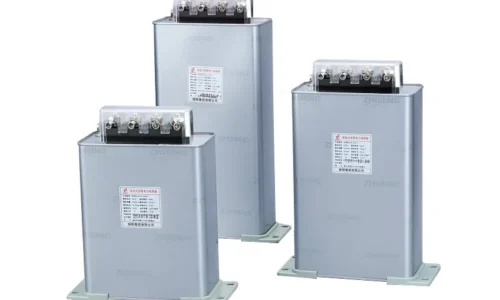
This is probably the most widely used method. Capacitor banks are connected in parallel with the load to supply reactive power locally, reducing the amount drawn from the grid. They’re relatively inexpensive, easy to install, and require minimal maintenance.
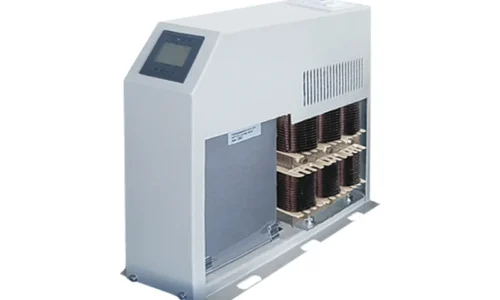
However, capacitors can be sensitive to harmonics and voltage surges. In environments with heavy non-linear loads, they sometimes cause resonance issues — something that catches people off guard if not properly analyzed beforehand.
المكثفات المتزامنة
A synchronous condenser is essentially a synchronous motor running without a mechanical load. By adjusting its field excitation, it can either absorb or generate reactive power. This makes it quite flexible for power factor control in large substations or industrial plants.
The downside? Higher initial cost and the need for regular maintenance since it’s a rotating machine. Still, for applications requiring smooth and continuous reactive power adjustment, synchronous condensers remain a solid choice.
Phase Advancers
Phase advancers are used specifically with induction motors. They work by supplying the excitation ampere-turns to the motor’s rotor circuit, effectively reducing the reactive power the motor draws from the supply.
This method is particularly useful for large induction motors where other correction methods might not be as effective. It’s not as common in general practice, but in certain heavy-industry scenarios, phase advancers prove quite valuable.
Static VAR Compensators (SVC)
Static VAR compensators use a combination of capacitors and reactors controlled by thyristors to provide fast, dynamic reactive power compensation. They respond almost instantaneously to load changes, which makes them ideal for systems with rapidly fluctuating loads.
SVCs are more complex and expensive, but the precision they offer in power factor control is hard to match with passive components alone.
Choosing the Right Method for Power Factor Control
There’s no single answer that works for every situation. The choice depends on factors like:
Size and type of electrical load
Budget constraints
Whether the load is steady or variable
Harmonic content in the system
Available space for equipment
For most small to medium facilities, capacitor banks do the job well enough. Larger operations with complex load profiles might benefit from a combination — say, capacitor banks for base correction and an SVC for dynamic compensation.
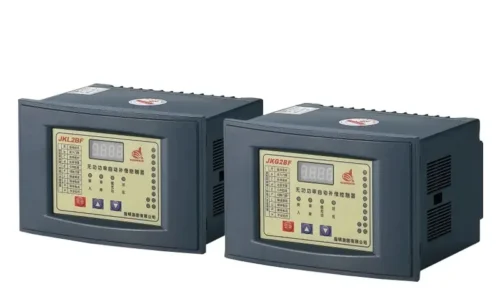
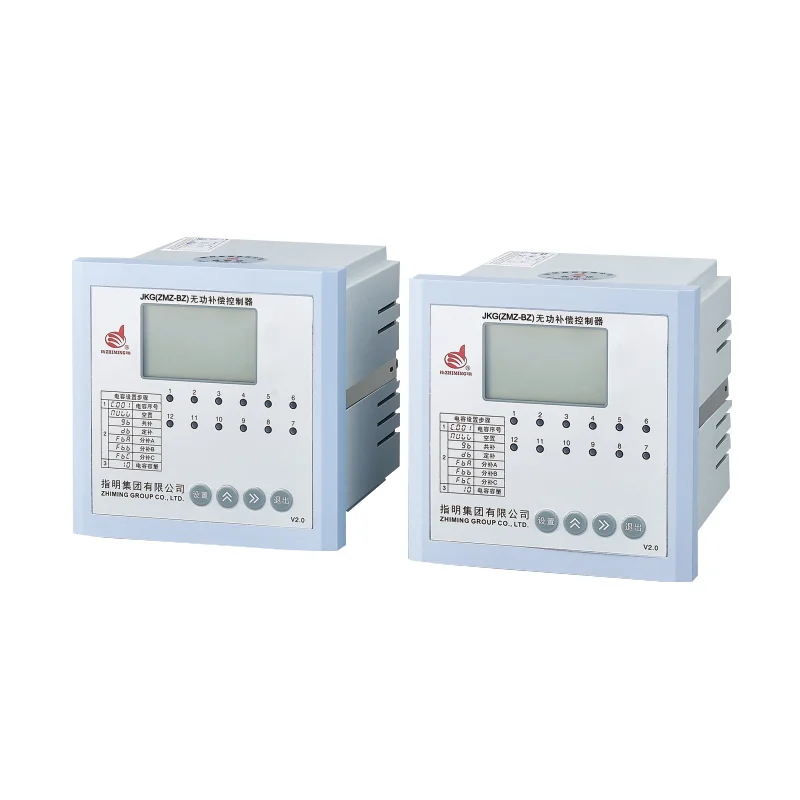
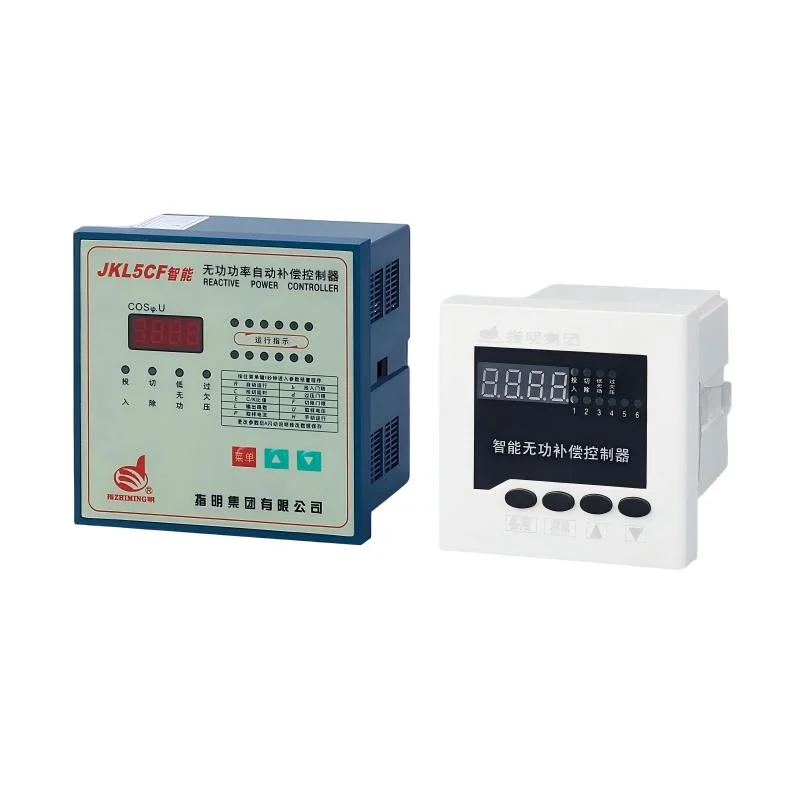
It’s also worth mentioning that automatic power factor correction (APFC) panels, which switch capacitor stages in and out based on real-time demand, have become quite popular. They offer a good balance between cost and performance for many commercial installations. If you want to know more about power factor control, please read What is automatic power factor control.
الأسئلة الشائعة
What is the most cost-effective method of power factor control?
Static capacitor banks are generally the most cost-effective option. They have low installation and maintenance costs, making them suitable for a wide range of applications from small commercial buildings to industrial facilities.
Can power factor control reduce electricity bills?
Yes. Many utilities impose penalty charges for low power factor. By improving it through proper correction methods, facilities can reduce demand charges and overall energy costs. The payback period for capacitor bank installations is often less than two years.
Is it possible to over-correct power factor?
It is. Over-correction leads to a leading power factor, which can cause voltage rise and instability in the system. That’s why automatic correction systems with proper relay settings are recommended to avoid swinging past unity.